Yung Cortex

Hip Hop
Alternative Hip Hop
 Viberate Rank: 174004
 Viberate Rank: 174004
 Monthly ListenersFollowers
 Subscribers
 Followers
 Followers
 FansTop Spotify Songs
| Track | 7-Day Streams | |
|---|---|---|
1 | 3.16K | |
2 | 421 | |
3 | 369 | |
4 | 134 | |
5 | 51 |
Top YouTube VideosMonthly ListenersFeatured in Playlists| Playlist | Followers | |
|---|---|---|
1 |  HIDDEN Sound ⠓⠊⠙⠙⠑⠝® HIDDEN.NY | 25.38K |
2 |  Emo Rap Johnny Schifano | 12.75K |
3 |  CHILL TRAP & SLEEP MOOD - XXXTENTACION - LIL XAN - TRIPPIE REDD - RUSS - LIL PUMP - LIL PEEP Starkiwtf | 6.80K |
4 |  looking over your city at 3 am tiredsky | 5.00K |
5 | i walk this earth all by myself Hugoj | 4.50K |
Audience| City | Monthly Listeners | |
|---|---|---|
1 | | 158 |
2 | | 100 |
3 | | 86 |
4 |  | 82 |
5 | | 76 |
See full performance history, audience data, playlist activity, rankings, comparisons, and more in Viberate music analytics. Start with a free trial, then continue with a paid plan.
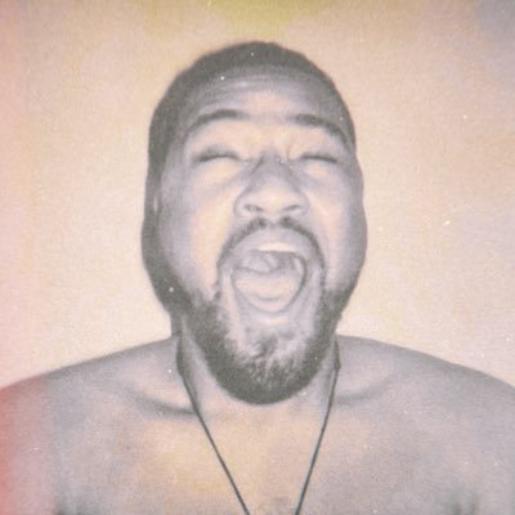
Yung Cortex’s Spotify BioYung Cortex is a moniker created by Cody Littlefield. He was born and raised in New Hampshire growing up living around the east coast, he found an early interest in producing music at the age of 12 after a friend who worked at a local skate park, introduced him to FL studio (Fruity Loops 4 at the time). In the early years of production, Littlefield spent time producing “terrible techno” and happy hardcore music, along side FL studio grindcore music. The first space Littlefields music was placed out into the world was early YouTube and myspace. First going under the moniker “YouAreMyFavoriteFood”, later being changed to “Aqua Nintendo”. After years of producing this style of music, Littlefields family moved to Virginia. While there he went through another name change to “DJ PHILLIE”, Later changed to Yung Cortex. From there on out Cortex’s early beats got placements from names such as “Cashy, Lil Peep, Eddy Baker, Amber London, R3ll, and more. In 2015 Cortex ventured from the east coast… out to Los Angeles where he has been living since. He’s worked with artists such as Lil Tracy, Bighead, Gab3, Makonnen, Pollari, and lots more.
Viberate is a music analytics platform built for A&Rs, artist managers, labels, booking agents, marketers, and artists.
It helps music professionals track artist growth, analyze audience data, monitor playlist activity, compare artists, follow song performance, and identify opportunities across the music market.
Public artist pages provide a free preview of selected artist data. Paid plans provide access to deeper analytics, historical data, charts, comparisons, playlist tools, exports, alerts, reports, and additional professional features.
Yes. Public Viberate artist pages provide selected artist analytics and music data for free.
Viberate also offers a 7-day free trial of the full platform. A credit card is required to start the trial. The trial includes access to the complete product so users can test deeper artist analytics, historical views, playlist insights, comparisons, charts, exports, alerts, and reporting features before choosing a paid plan.
Viberate provides artist analytics across streaming, playlists, social media, video, radio airplay, songs, and audience markets.
Users can analyze Spotify performance, Spotify and Apple Music playlists, YouTube activity, TikTok and Instagram growth, radio spins, song performance, audience locations, demographics, rankings, and overall artist momentum.
Artist profiles also connect to music charts, similar artists, and comparison tools, helping users benchmark performance and evaluate artists in context.
Viberate updates key artist and track data daily.
For followed artists and tracks, selected data is refreshed multiple times per day. This helps teams monitor playlist changes, streaming movement, audience growth, releases, and campaign performance with more current data.
Update frequency can vary depending on the metric and data source.
Yes. Viberate lets users compare up to five artists side by side across streaming, social media, audience, and engagement metrics.
Users can compare fanbase growth, audience demographics, locations, Spotify performance, social metrics, and other artist data over selected time periods.
Artist comparison can be used for A&R scouting, benchmarking, booking decisions, campaign planning, and evaluating artists with similar audiences or market positions.