Yung Bino

Hip Hop
Trap
Contemporary Hip Hop
Alternative Hip Hop
 Viberate Rank: 150486
 Viberate Rank: 150486
 Monthly ListenersFollowers
 Subscribers
 Followers
 Followers
 FansTop Spotify Songs
| Track | 7-Day Streams | |
|---|---|---|
1 | 72 | |
2 | 44 | |
3 | 22 | |
4 | 16 | |
5 | 15 |
Top YouTube VideosMonthly ListenersFeatured in Playlists| Playlist | Followers | |
|---|---|---|
1 | randomplaylister | 32.64K |
2 |  Rich the Kid - PLUG (ft. Playboi Carti & Kodak Black) Kane Schock | 4.81K |
3 |  WAVE® Radio wavefr | 3.11K |
4 |  ALL OF NBA YOUNGBOY 💚🐍 NK | 1.50K |
5 | Rap with Bass Jimmytfan | 1.47K |
Audience| City | Monthly Listeners | |
|---|---|---|
1 | | 14 |
2 |  | 10 |
3 |  | 7 |
4 | | 7 |
5 | | 7 |
See full performance history, audience data, playlist activity, rankings, comparisons, and more in Viberate music analytics. Start with a free trial, then continue with a paid plan.
Yung Bino’s Spotify BioFor Bookings Contact:
19Richminds19@Gmail.com
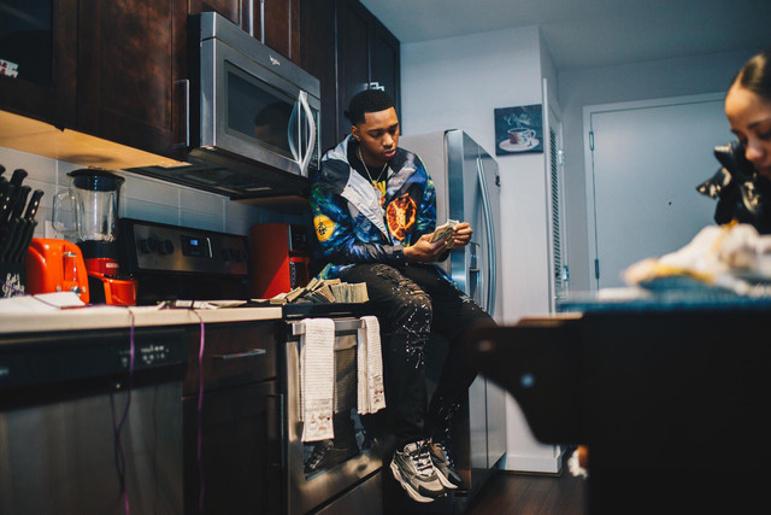
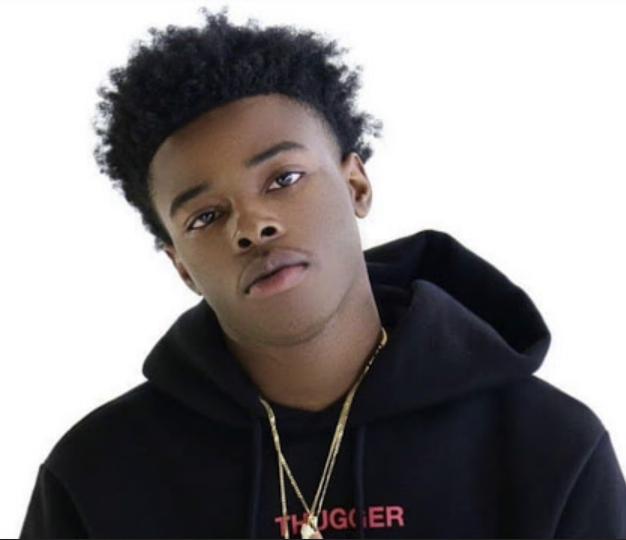
Yung Bino is an American rapper who was born and raised in Atlanta, GA. He is mostly known for his songs such as No Cap, Trap, I’m Gucci and Leave Me Alone.
On February 15, 2018, Bino released his first mixtape. Believe In Me which had features from YBN member, YBN Almighty Jay and rapper Jamie Ray.
In September 2018, Yung Bino had signed a deal with Rich The Kid’s Rich Forever Music imprint along with artists such as Jay Critch and Famous Dex.
In October 2018, he released his 19 Reasons EP which had a feature from fellow Rich Forever artist Jay Critch.
In 2019, Yung Bino released the No Cap remix with a feature from the Rich Forever CEO, Rich The Kid. Shortly after he released a new sing along with a new music video to the song Trap which was released on May 2, 2019.
Bino has also appeared on several compilations such as 19RichMinds, Vol. 1-3 and the upcoming Rich Forever Music compilation, Rich Forever 4, which is scheduled to release on August… 2, 2019.
In 2020, he released a independent mixtape Believe In Me 2 w/ features from Jay Critch, Toosii, Asian Doll, Blocboy JB, Yung Mal, & Sg Tip.
In 2021 & the beginning of 2022, he also released 3 singles w/ Asian Doll, Action Pack AP & a song on the 1999 album with features like Xanman also, seems like Yung Bino hasn’t let up yet !!!
managed by 19Richminds. Yung Bino does not directly post to this account. For bookings features:bookyungbino@gmail.com
Viberate is a music analytics platform built for A&Rs, artist managers, labels, booking agents, marketers, and artists.
It helps music professionals track artist growth, analyze audience data, monitor playlist activity, compare artists, follow song performance, and identify opportunities across the music market.
Public artist pages provide a free preview of selected artist data. Paid plans provide access to deeper analytics, historical data, charts, comparisons, playlist tools, exports, alerts, reports, and additional professional features.
Yes. Public Viberate artist pages provide selected artist analytics and music data for free.
Viberate also offers a 7-day free trial of the full platform. A credit card is required to start the trial. The trial includes access to the complete product so users can test deeper artist analytics, historical views, playlist insights, comparisons, charts, exports, alerts, and reporting features before choosing a paid plan.
Viberate provides artist analytics across streaming, playlists, social media, video, radio airplay, songs, and audience markets.
Users can analyze Spotify performance, Spotify and Apple Music playlists, YouTube activity, TikTok and Instagram growth, radio spins, song performance, audience locations, demographics, rankings, and overall artist momentum.
Artist profiles also connect to music charts, similar artists, and comparison tools, helping users benchmark performance and evaluate artists in context.
Viberate updates key artist and track data daily.
For followed artists and tracks, selected data is refreshed multiple times per day. This helps teams monitor playlist changes, streaming movement, audience growth, releases, and campaign performance with more current data.
Update frequency can vary depending on the metric and data source.
Yes. Viberate lets users compare up to five artists side by side across streaming, social media, audience, and engagement metrics.
Users can compare fanbase growth, audience demographics, locations, Spotify performance, social metrics, and other artist data over selected time periods.
Artist comparison can be used for A&R scouting, benchmarking, booking decisions, campaign planning, and evaluating artists with similar audiences or market positions.