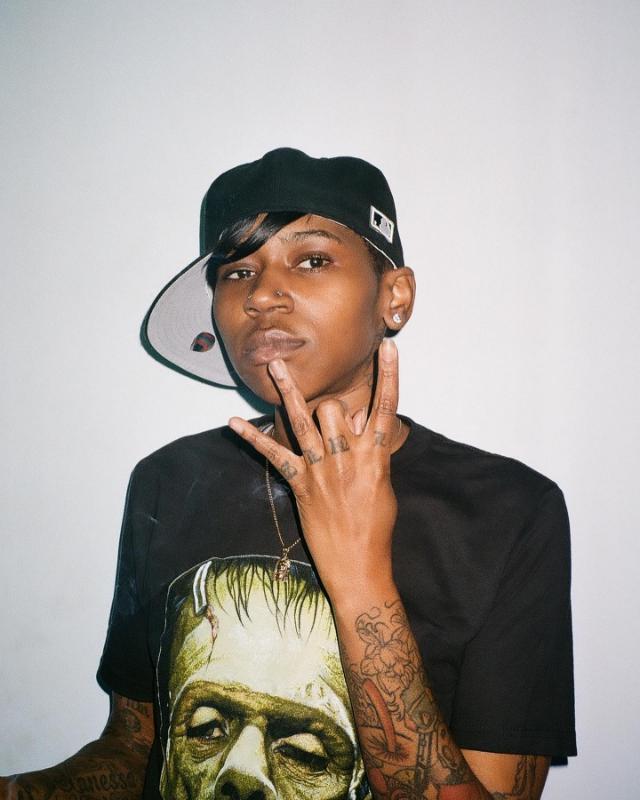
Yummy Bingham

R&B
Contemporary R&B
 Viberate Rank: 281574
 Viberate Rank: 281574
 Monthly ListenersFollowers
 Subscribers
 Followers
 Followers
 FansTop Spotify Songs
| Track | 7-Day Streams | |
|---|---|---|
1 | 15.29K | |
2 | 5.17K | |
3 | 2.11K | |
4 | 630 | |
5 | 500 |
Top YouTube VideosMonthly ListenersFeatured in Playlists| Playlist | Followers | |
|---|---|---|
1 |  real good shit Tom Misch | 165.62K |
2 |  SAMURAI CHAMPLOO Phyllis Chen | 68.44K |
3 |  This Is De La Soul Spotify | 47.37K |
4 |  Smooth Bars nuwaveselects | 34.78K |
5 |  Skateboard Hip Hop Gal Tesler | 27.80K |
Audience| City | Monthly Listeners | |
|---|---|---|
1 |  | 405 |
2 | | 298 |
3 | | 236 |
4 | | 230 |
5 |  | 194 |
See full performance history, audience data, playlist activity, rankings, comparisons, and more in Viberate music analytics. Start with a free trial, then continue with a paid plan.
Yummy Bingham’s Spotify Bio"Yummy" Bingham is an American singer and songwriter. New YorK native, industry heir Yummy Bingham was born January 7, 1986 in the heart of South Jamaica, Queens, New York. She is the god-daughter of Chaka Khan and Aaron Hall. In 2000, at age 14, Bingham was recruited by producer KayGee to form the group Tha' Rayne, signed to Arista. The group recorded an album, appeared on a bunch of labelmates tracks including Jaheim's Fabulous that hit #1 on the US Billboard Adult R&B chart for three weeks. From 2003, Bingham started to collaborate to various artists, getting writing and/or vocals credits on songs from Talib Kweli, Patti LaBelle, Lupe Fiasco, Black Sheep, P. Diddy, Christina Aguiler, Mary J. Blige, Sunshine Anderson, Busta Rhymes, Nas, Keyshia Cole, Amerie, Mýa to name a few. At age 18, Bingham became the youngest female CEO of a major-affiliated label and the youngest female record executive. She formed the label "Muzic Park" with Grammy award-winning beatmaker Rockwilder and was… the label's first artist through a record deal with Motown in the United States and Island Records in the United Kingdom,. She released the singles "Come Get It", "Is It Good To You" and "One More Chance" and released her debut album "The First Seed" in the UK in October 2006. Shortly after, Bingham went on to become a mother, still penning songs for the likes of artists such as Rick Ross, Nicki Minaj and performed on The Tonight Show with Jimmy Fallon as an indie artist.
Viberate is a music analytics platform built for A&Rs, artist managers, labels, booking agents, marketers, and artists.
It helps music professionals track artist growth, analyze audience data, monitor playlist activity, compare artists, follow song performance, and identify opportunities across the music market.
Public artist pages provide a free preview of selected artist data. Paid plans provide access to deeper analytics, historical data, charts, comparisons, playlist tools, exports, alerts, reports, and additional professional features.
Yes. Public Viberate artist pages provide selected artist analytics and music data for free.
Viberate also offers a 7-day free trial of the full platform. A credit card is required to start the trial. The trial includes access to the complete product so users can test deeper artist analytics, historical views, playlist insights, comparisons, charts, exports, alerts, and reporting features before choosing a paid plan.
Viberate provides artist analytics across streaming, playlists, social media, video, radio airplay, songs, and audience markets.
Users can analyze Spotify performance, Spotify and Apple Music playlists, YouTube activity, TikTok and Instagram growth, radio spins, song performance, audience locations, demographics, rankings, and overall artist momentum.
Artist profiles also connect to music charts, similar artists, and comparison tools, helping users benchmark performance and evaluate artists in context.
Viberate updates key artist and track data daily.
For followed artists and tracks, selected data is refreshed multiple times per day. This helps teams monitor playlist changes, streaming movement, audience growth, releases, and campaign performance with more current data.
Update frequency can vary depending on the metric and data source.
Yes. Viberate lets users compare up to five artists side by side across streaming, social media, audience, and engagement metrics.
Users can compare fanbase growth, audience demographics, locations, Spotify performance, social metrics, and other artist data over selected time periods.
Artist comparison can be used for A&R scouting, benchmarking, booking decisions, campaign planning, and evaluating artists with similar audiences or market positions.