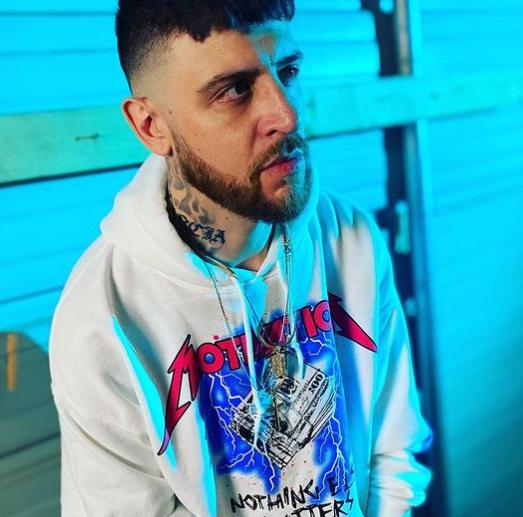
Young Wicked

Hip Hop
Contemporary Hip Hop
 Viberate Rank: 148038
 Viberate Rank: 148038
 Monthly ListenersFollowers
 Subscribers
 Followers
 Followers
 FansTop Spotify Songs
| Track | 7-Day Streams | |
|---|---|---|
1 | 4.79K | |
2 | 3.62K | |
3 | 2.62K | |
4 | 2.02K | |
5 | 1.94K |
Top YouTube Videos| Video | 7-Day Views | |
|---|---|---|
1 | 3.93K | |
2 | 615 | |
3 | 310 | |
4 | 271 | |
5 | 204 |
Monthly ListenersFeatured in Playlists| Playlist | Followers | |
|---|---|---|
1 | Riding Mix Deli Di Capo | 19.33K |
2 |  WRMFZY BEATS wrmfzy | 18.79K |
3 |  This Is Rittz Spotify | 17.80K |
4 | Best of Country Rap/Hickhop PaulyD73 | 7.67K |
5 |  Beastmode XXXL pump up Flo Gie | 6.48K |
Audience| City | Monthly Listeners | |
|---|---|---|
1 | | 679 |
2 | | 585 |
3 | | 564 |
4 | | 481 |
5 | | 471 |
See full performance history, audience data, playlist activity, rankings, comparisons, and more in Viberate music analytics. Start with a free trial, then continue with a paid plan.
Young Wicked’s Spotify BioDenver, Colorado rapper Young Wicked made his debut as Otis, one-half of the duo Axe Murder Boyz. Along with his brother Mike (aka Bonez Dubb), the artist born James Garcia released Axe Murder Boyz's first effort, Tha Underground Stylistikz, in 1999. The pair would release eight further albums into the early 2000s before joining the Juggalo family in 2006. Signing with Insane Clown Posse's Psychopathic Records, they issued their tenth LP, Blood in, Blood Out, which broke into the Billboard 200. Four albums and a label change later, Garcia struck out on his own with his debut mixtape, 2013's Young Wicked: The Mixtape, Vol. 1. The next year, he joined Psychopathic Records supergroup the Killjoy Club for a brief stint. Adopting the Young Wicked moniker, he released his official debut LP, Slaughter (Psychopathic), in 2015. The album featured his brother Bonez Dubb and rapper JellyRoll, as well as a cover of Chris Isaak's "Wicked Game," performed in Garcia's own typically dark fashion. On… New Year's Eve 2016, he announced that he had signed with Twiztid's label, Majik Ninja. His Vengeance EP arrived the same day. ~ Neil Z. Yeung, Rovi
Viberate is a music analytics platform built for A&Rs, artist managers, labels, booking agents, marketers, and artists.
It helps music professionals track artist growth, analyze audience data, monitor playlist activity, compare artists, follow song performance, and identify opportunities across the music market.
Public artist pages provide a free preview of selected artist data. Paid plans provide access to deeper analytics, historical data, charts, comparisons, playlist tools, exports, alerts, reports, and additional professional features.
Yes. Public Viberate artist pages provide selected artist analytics and music data for free.
Viberate also offers a 7-day free trial of the full platform. A credit card is required to start the trial. The trial includes access to the complete product so users can test deeper artist analytics, historical views, playlist insights, comparisons, charts, exports, alerts, and reporting features before choosing a paid plan.
Viberate provides artist analytics across streaming, playlists, social media, video, radio airplay, songs, and audience markets.
Users can analyze Spotify performance, Spotify and Apple Music playlists, YouTube activity, TikTok and Instagram growth, radio spins, song performance, audience locations, demographics, rankings, and overall artist momentum.
Artist profiles also connect to music charts, similar artists, and comparison tools, helping users benchmark performance and evaluate artists in context.
Viberate updates key artist and track data daily.
For followed artists and tracks, selected data is refreshed multiple times per day. This helps teams monitor playlist changes, streaming movement, audience growth, releases, and campaign performance with more current data.
Update frequency can vary depending on the metric and data source.
Yes. Viberate lets users compare up to five artists side by side across streaming, social media, audience, and engagement metrics.
Users can compare fanbase growth, audience demographics, locations, Spotify performance, social metrics, and other artist data over selected time periods.
Artist comparison can be used for A&R scouting, benchmarking, booking decisions, campaign planning, and evaluating artists with similar audiences or market positions.