Young Gunz

Hip Hop
Contemporary Hip Hop
Trap
 Viberate Rank: 71243
 Viberate Rank: 71243
 Monthly ListenersFollowers
 Subscribers
 Followers
 Followers
 FansTop Spotify Songs
| Track | 7-Day Streams | |
|---|---|---|
1 | 21.11K | |
2 | 15.60K | |
3 | 15.03K | |
4 | 13.89K | |
5 | 8.94K |
Top YouTube VideosMonthly ListenersFeatured in Playlists| Playlist | Followers | |
|---|---|---|
1 |  KANYE WEST BANGERS🙏 dog standing up | 293.91K |
2 | 2000s Rap Matt H | 89.92K |
3 |  HIP HOP REMIXES 2026 ⚡ RAP REMIXES 2026 Electrify Playlists | 53.52K |
4 |  JAY-Z Greatest Hits EiGGER | 44.90K |
5 | dalys | 43.80K |
Audience| City | Monthly Listeners | |
|---|---|---|
1 | | 5.37K |
2 | | 5.03K |
3 | | 3.16K |
4 | | 3.03K |
5 | | 2.91K |
See full performance history, audience data, playlist activity, rankings, comparisons, and more in Viberate music analytics. Start with a free trial, then continue with a paid plan.
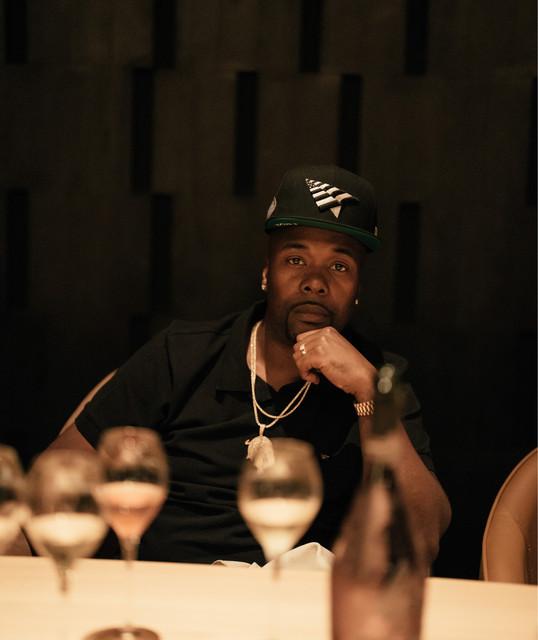
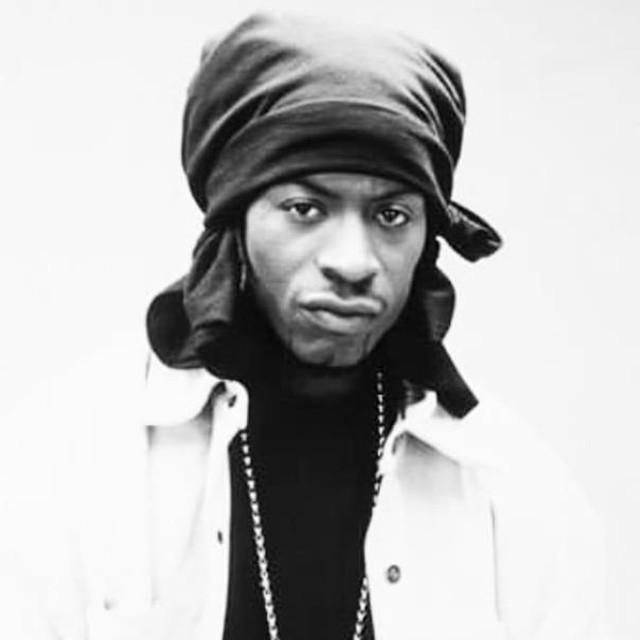
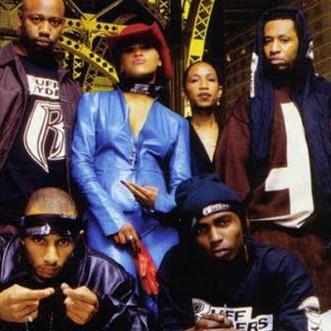
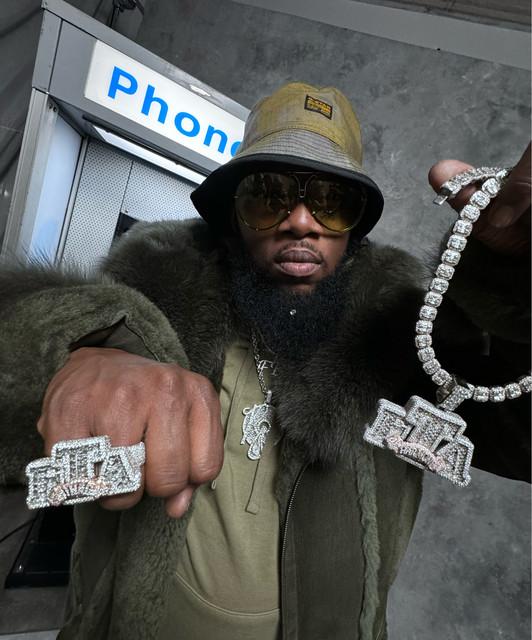
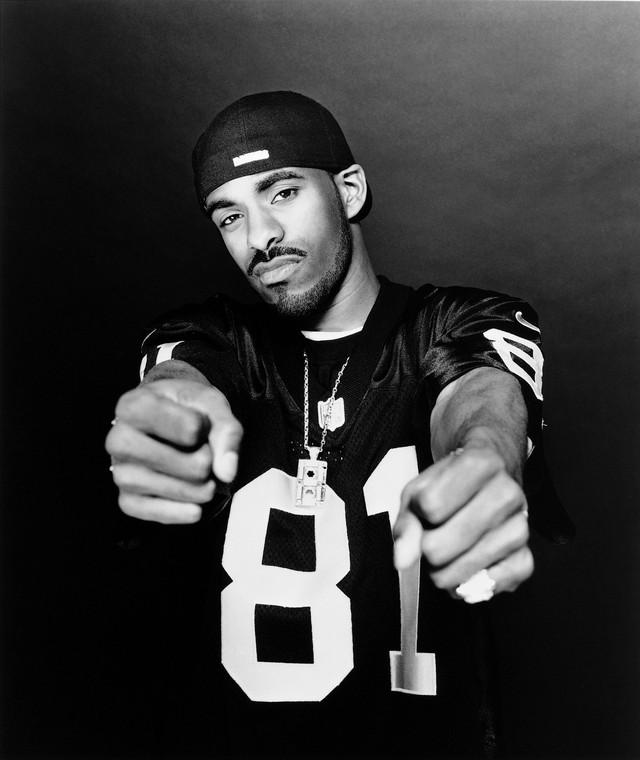
Young Gunz’s Spotify BioYoung Gunz began as just two of the numerous rappers in Roc-a-Fella's State Property collective, yet all it took was one runaway hit, "Can't Stop, Won't Stop," to distance them from the pack and elevate them into the spotlight. The Philadelphia duo -- Young Chris (born Chris Ries) and Neef (born Hanif Muhammad) -- debuted with brief appearances on the first State Property album (2001) and, more importantly, got a high-profile shoutout in Jay-Z's "Takeover" earlier that year. However, it was their first track together, "Can't Stop, Won't Stop," that proved decisive to their success. The track first showed signs of life on the mixtape circuit, where DJ Enuff began repping it. Roc-a-Fella obviously felt "Can't Stop, Won't Stop" had a bright future, because the label granted it the coveted lead-off position on the second State Property album, The Chain Gang (2003). The song took off quickly, getting heavy rotation on urban radio and music television while shooting up the Billboard Hot 100… chart. A follow-up remix with Chingy gave the single yet more legs, and it became one of the year's more memorable rap singles, setting the stage for Young Gunz's debut album. Tough Luv came out in early 2004, and it was followed up just over a year later with Brothers from Another. ~ Jason Birchmeier, Rovi
Viberate is a music analytics platform built for A&Rs, artist managers, labels, booking agents, marketers, and artists.
It helps music professionals track artist growth, analyze audience data, monitor playlist activity, compare artists, follow song performance, and identify opportunities across the music market.
Public artist pages provide a free preview of selected artist data. Paid plans provide access to deeper analytics, historical data, charts, comparisons, playlist tools, exports, alerts, reports, and additional professional features.
Yes. Public Viberate artist pages provide selected artist analytics and music data for free.
Viberate also offers a 7-day free trial of the full platform. A credit card is required to start the trial. The trial includes access to the complete product so users can test deeper artist analytics, historical views, playlist insights, comparisons, charts, exports, alerts, and reporting features before choosing a paid plan.
Viberate provides artist analytics across streaming, playlists, social media, video, radio airplay, songs, and audience markets.
Users can analyze Spotify performance, Spotify and Apple Music playlists, YouTube activity, TikTok and Instagram growth, radio spins, song performance, audience locations, demographics, rankings, and overall artist momentum.
Artist profiles also connect to music charts, similar artists, and comparison tools, helping users benchmark performance and evaluate artists in context.
Viberate updates key artist and track data daily.
For followed artists and tracks, selected data is refreshed multiple times per day. This helps teams monitor playlist changes, streaming movement, audience growth, releases, and campaign performance with more current data.
Update frequency can vary depending on the metric and data source.
Yes. Viberate lets users compare up to five artists side by side across streaming, social media, audience, and engagement metrics.
Users can compare fanbase growth, audience demographics, locations, Spotify performance, social metrics, and other artist data over selected time periods.
Artist comparison can be used for A&R scouting, benchmarking, booking decisions, campaign planning, and evaluating artists with similar audiences or market positions.