Young Divas

Pop
Mainstream Pop
Dance
 Viberate Rank: 159320
 Viberate Rank: 159320
 Monthly ListenersFollowers
 Subscribers
 Followers
 Followers
 FansTop Spotify Songs
| Track | 7-Day Streams | |
|---|---|---|
1 | 9.95K | |
2 | 9.23K | |
3 | 1.51K | |
4 | 1.49K | |
5 | 1.07K |
Top YouTube Videos| Video | 7-Day Views | |
|---|---|---|
1 | 2.27K |
Monthly ListenersFeatured in Playlists| Playlist | Followers | |
|---|---|---|
1 |  BEST THROWBACK PARTY HITS 🎉 DMAN | 152.01K |
2 |  SONGS THAT GET WHITE PEOPLE TURNT Samuel Ilias | 145.44K |
3 |  Limewire era staaarrio | 49.00K |
4 |  songs that make 90s kids do the ketchup dance Filip June | 42.09K |
5 | MY PLAYLIST Nikestarx | 41.57K |
Audience| City | Monthly Listeners | |
|---|---|---|
1 | | 7.02K |
2 | | 6.33K |
3 | | 4.04K |
4 |  | 2.40K |
5 | | 2.35K |
See full performance history, audience data, playlist activity, rankings, comparisons, and more in Viberate music analytics. Start with a free trial, then continue with a paid plan.
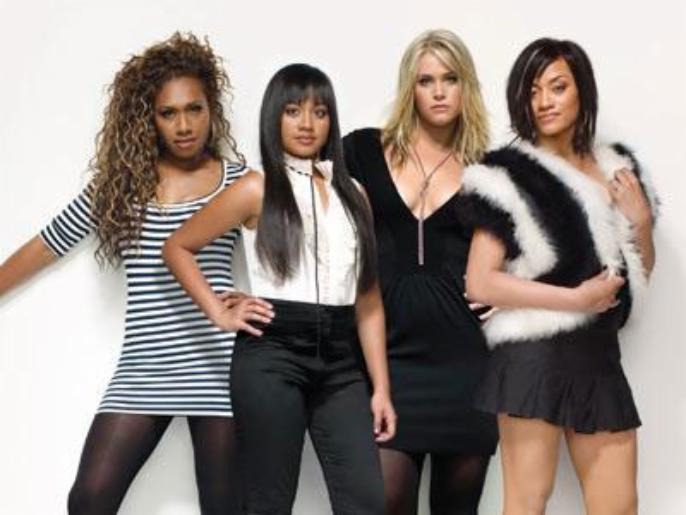
Young Divas’ Spotify BioFemale vocal pop group Young Divas are made up of former winners of the American Idol franchise Australian Idol. Third-season contestants Emily Williams and Kate DeAraugo were assembled by Idol execs as a duo in 2006. Sony BMG soon saw a golden opportunity, and added Paulini Curuenavuli (first-season winner) and Ricki-Lee Coulter (second-season winner) into the mix. The group's first single, Donna Summer's "This Time I Know It's for Real," was released in May of 2006, and quickly reached number two on the ARIA charts. Due to the overwhelming response, the group flew to Sydney to shoot the single's video. A short time later their follow-up single hit the market, a cover of Lonnie Gordon's "Happenin' All Over Again," which scored the group its second Top Ten hit. Young Divas' self-titled debut album was released in November of 2006, going platinum by its third week and double platinum by its sixth. Subsequent television appearances have been numerous, including appearances on Dancing… with the Stars and It Takes Two. ~ Evan C. Gutierrez, Rovi
Viberate is a music analytics platform built for A&Rs, artist managers, labels, booking agents, marketers, and artists.
It helps music professionals track artist growth, analyze audience data, monitor playlist activity, compare artists, follow song performance, and identify opportunities across the music market.
Public artist pages provide a free preview of selected artist data. Paid plans provide access to deeper analytics, historical data, charts, comparisons, playlist tools, exports, alerts, reports, and additional professional features.
Yes. Public Viberate artist pages provide selected artist analytics and music data for free.
Viberate also offers a 7-day free trial of the full platform. A credit card is required to start the trial. The trial includes access to the complete product so users can test deeper artist analytics, historical views, playlist insights, comparisons, charts, exports, alerts, and reporting features before choosing a paid plan.
Viberate provides artist analytics across streaming, playlists, social media, video, radio airplay, songs, and audience markets.
Users can analyze Spotify performance, Spotify and Apple Music playlists, YouTube activity, TikTok and Instagram growth, radio spins, song performance, audience locations, demographics, rankings, and overall artist momentum.
Artist profiles also connect to music charts, similar artists, and comparison tools, helping users benchmark performance and evaluate artists in context.
Viberate updates key artist and track data daily.
For followed artists and tracks, selected data is refreshed multiple times per day. This helps teams monitor playlist changes, streaming movement, audience growth, releases, and campaign performance with more current data.
Update frequency can vary depending on the metric and data source.
Yes. Viberate lets users compare up to five artists side by side across streaming, social media, audience, and engagement metrics.
Users can compare fanbase growth, audience demographics, locations, Spotify performance, social metrics, and other artist data over selected time periods.
Artist comparison can be used for A&R scouting, benchmarking, booking decisions, campaign planning, and evaluating artists with similar audiences or market positions.