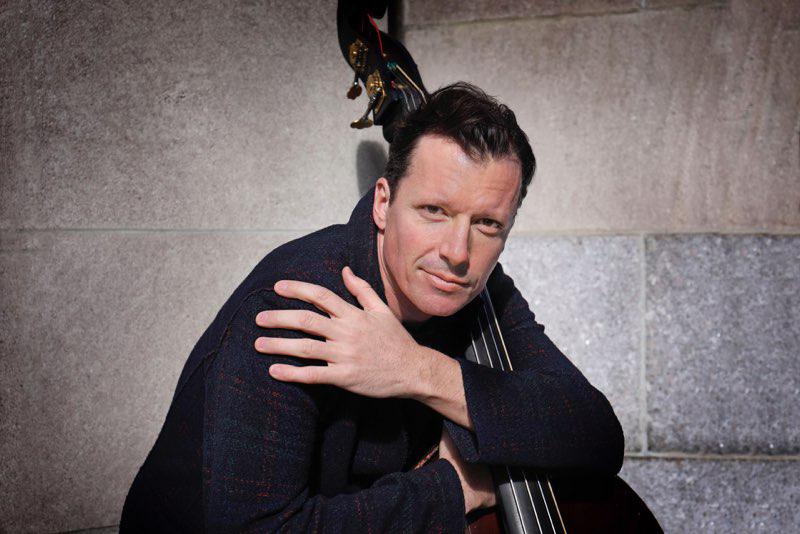
Yotam Silberstein

Jazz
Avant-garde Jazz
Jazz Fusion
 Viberate Rank: 118838
 Viberate Rank: 118838
 Monthly ListenersFollowers
 Subscribers
 Followers
 Followers
 FansTop Spotify Songs
| Track | 7-Day Streams | |
|---|---|---|
1 | 1.68K | |
2 | 1.16K | |
3 | 776 | |
4 | 625 | |
5 | 582 |
Top YouTube VideosMonthly ListenersFeatured in Playlists| Playlist | Followers | |
|---|---|---|
1 |  Flamenco Chill Spotify | 132.32K |
2 |  Nu-jazz Guadalí Alves Arregui | 21.18K |
3 |  This Is Ron Carter Spotify | 6.99K |
4 |  double bass jazz Ronaldo Destri | 6.49K |
5 |  Saturday Morning Jazz Joshua Espinoza | 6.06K |
Audience| City | Monthly Listeners | |
|---|---|---|
1 |  | 143 |
2 |  | 129 |
3 | | 109 |
4 |  | 80 |
5 |  | 74 |
See full performance history, audience data, playlist activity, rankings, comparisons, and more in Viberate music analytics. Start with a free trial, then continue with a paid plan.
Yotam Silberstein’s Spotify BioYotam Silberstein is a major force in jazz guitar, a player who “improvises in a cutting tone and writes heady original tunes that seem to tug the straight-ahead jazz tradition in new directions” (New York Times). His deep study of music from South America, North Africa and the Middle East has given his music a global thrust — the great bassist John Patitucci has hailed him as “an encyclopedia of Brazilian music.” In addition to his acclaimed work as a leader on the albums Future Memories, The Village, Brasil, Resonance, Next Page and The Arrival, he has distinguished himself as a sideman on recordings by Patitucci (Irmãos de Fé), Monty Alexander (Harlem-Kingston Express Live!, a Grammy nominee), David Sanborn & Marcus Miller, the late Nathan Davis and more.
Since his arrival to NYC he quickly became a sought-after figure on the New York scene, building close connections with the major talents he’d soon enlist for his varied projects: Christian McBride, Sam Yahel, Aaron Goldberg, Eric… Harland and more.
Yotam was discovered by the great James Moody during a workshop and invited to play with the bebop master, who used to tell the then 25-year-old guitarist — a very high compliment — that he sounds “like an old man.” Through that relationship, Silberstein came to play with the Dizzy Gillespie All-Stars, the Heath Brothers, George Coleman, Paquito D’Rivera, Roy Hargrove and others. He has also had the honor of working with the Brazilian masters Ivan Lins and Toninho Horta.
Viberate is a music analytics platform built for A&Rs, artist managers, labels, booking agents, marketers, and artists.
It helps music professionals track artist growth, analyze audience data, monitor playlist activity, compare artists, follow song performance, and identify opportunities across the music market.
Public artist pages provide a free preview of selected artist data. Paid plans provide access to deeper analytics, historical data, charts, comparisons, playlist tools, exports, alerts, reports, and additional professional features.
Yes. Public Viberate artist pages provide selected artist analytics and music data for free.
Viberate also offers a 7-day free trial of the full platform. A credit card is required to start the trial. The trial includes access to the complete product so users can test deeper artist analytics, historical views, playlist insights, comparisons, charts, exports, alerts, and reporting features before choosing a paid plan.
Viberate provides artist analytics across streaming, playlists, social media, video, radio airplay, songs, and audience markets.
Users can analyze Spotify performance, Spotify and Apple Music playlists, YouTube activity, TikTok and Instagram growth, radio spins, song performance, audience locations, demographics, rankings, and overall artist momentum.
Artist profiles also connect to music charts, similar artists, and comparison tools, helping users benchmark performance and evaluate artists in context.
Viberate updates key artist and track data daily.
For followed artists and tracks, selected data is refreshed multiple times per day. This helps teams monitor playlist changes, streaming movement, audience growth, releases, and campaign performance with more current data.
Update frequency can vary depending on the metric and data source.
Yes. Viberate lets users compare up to five artists side by side across streaming, social media, audience, and engagement metrics.
Users can compare fanbase growth, audience demographics, locations, Spotify performance, social metrics, and other artist data over selected time periods.
Artist comparison can be used for A&R scouting, benchmarking, booking decisions, campaign planning, and evaluating artists with similar audiences or market positions.