Yoko Ishida

Pop
j-pop
Anime
 Viberate Rank: 127337
 Viberate Rank: 127337
 Monthly ListenersFollowers
 Subscribers
 Followers
 Followers
 FansTop Spotify Songs
| Track | 7-Day Streams | |
|---|---|---|
1 | 9.05K | |
2 | 8.52K | |
3 | 2.63K | |
4 | 1.76K | |
5 | 1.62K |
Top YouTube VideosMonthly ListenersFeatured in Playlists| Playlist | Followers | |
|---|---|---|
1 |  Anime OST, Openings, Endings, Instrumental diegoadrian1224 | 52.50K |
2 |  Fairy Tail All Openings & Endings Erin | 29.07K |
3 |  Sailor Moon Songs Sara J ✨ | 27.28K |
4 |  Sailor Moon Soundtrack Süeda Çavuşoğlu | 21.60K |
5 | 20〜30代が懐かしむためのアニソン Nachu | 13.00K |
Audience| City | Monthly Listeners | |
|---|---|---|
1 |  | 739 |
2 | | 559 |
3 |  | 488 |
4 |  | 410 |
5 | | 388 |
See full performance history, audience data, playlist activity, rankings, comparisons, and more in Viberate music analytics. Start with a free trial, then continue with a paid plan.
Yoko Ishida’s Spotify BioYoko Ishida is a Japanese singer who made a career singing theme songs for anime series and branched out into proper J-pop in the mid-2000s. She specializes in cute, fluffy pop songs; she also composes and records songs for children, and is known as an avid fan of "para para," a Japanese pop-dance style popularized by SMAP in the ‘90s.
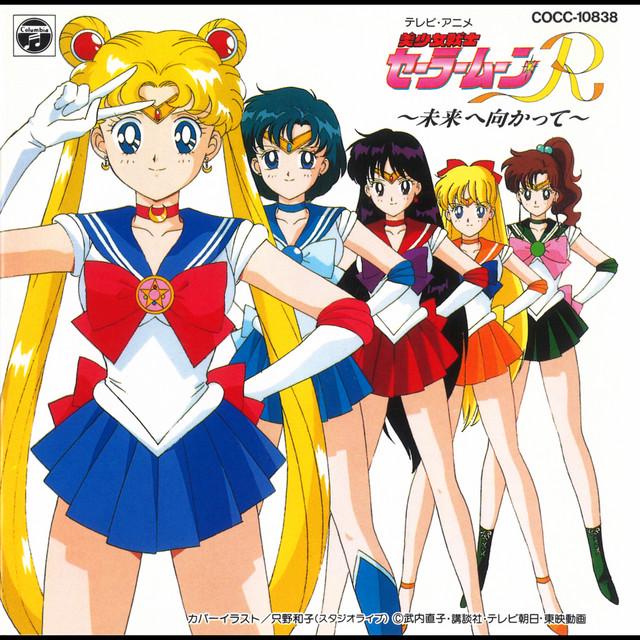
Niigata-born Ishida got her lucky break the typical J-pop way -- she won a singing contest. In her case, it was the Anime Song Singer Contest in 1992; she was 19 at the time. The success brought her a deal with Columbia, on which Ishida debuted in 1993 with the single "Otome no Policy," the theme of Sailor Moon R. It was a smash hit, and Ishida proceeded to record several more singles, but slowed down after 1995. In 1998, she left Columbia, and in 2000 signed to Geneon and resumed her career by starting the series of "Para Para" remixes of anime songs, including tunes from Evangelion, Gundam Wing, and Cowboy Bebop. She also recorded theme songs for the A… Little Snow Fairy Sugar, Ai Yori Aoshi, Petite Princess Yucie and Gunparade March series in 2001-2003, and in 2002-2004, she worked as a radio show host. More importantly, in 2003 Ishida made her debut as an original J-pop artist with the album Sweets. Its follow-up, All of Me, came in 2005; the same year, a sizeable chunk of her catalog was made available in the U.S., where she was promoted as the "Anime Pop Star." Her American shows were documented on a DVD, and in 2005-2007, she also played Brazil, Mexico, Spain, and Korea, and recorded songs for Ah! My Goddess and Shakugan no Shana anime series. A collection of her singles came out 2008, released in Korea as well as Japan. She recorded no new material in 2009, but scheduled her return for spring 2010 with the single "Private Wing." ~ Alexey Eremenko
Viberate is a music analytics platform built for A&Rs, artist managers, labels, booking agents, marketers, and artists.
It helps music professionals track artist growth, analyze audience data, monitor playlist activity, compare artists, follow song performance, and identify opportunities across the music market.
Public artist pages provide a free preview of selected artist data. Paid plans provide access to deeper analytics, historical data, charts, comparisons, playlist tools, exports, alerts, reports, and additional professional features.
Yes. Public Viberate artist pages provide selected artist analytics and music data for free.
Viberate also offers a 7-day free trial of the full platform. A credit card is required to start the trial. The trial includes access to the complete product so users can test deeper artist analytics, historical views, playlist insights, comparisons, charts, exports, alerts, and reporting features before choosing a paid plan.
Viberate provides artist analytics across streaming, playlists, social media, video, radio airplay, songs, and audience markets.
Users can analyze Spotify performance, Spotify and Apple Music playlists, YouTube activity, TikTok and Instagram growth, radio spins, song performance, audience locations, demographics, rankings, and overall artist momentum.
Artist profiles also connect to music charts, similar artists, and comparison tools, helping users benchmark performance and evaluate artists in context.
Viberate updates key artist and track data daily.
For followed artists and tracks, selected data is refreshed multiple times per day. This helps teams monitor playlist changes, streaming movement, audience growth, releases, and campaign performance with more current data.
Update frequency can vary depending on the metric and data source.
Yes. Viberate lets users compare up to five artists side by side across streaming, social media, audience, and engagement metrics.
Users can compare fanbase growth, audience demographics, locations, Spotify performance, social metrics, and other artist data over selected time periods.
Artist comparison can be used for A&R scouting, benchmarking, booking decisions, campaign planning, and evaluating artists with similar audiences or market positions.