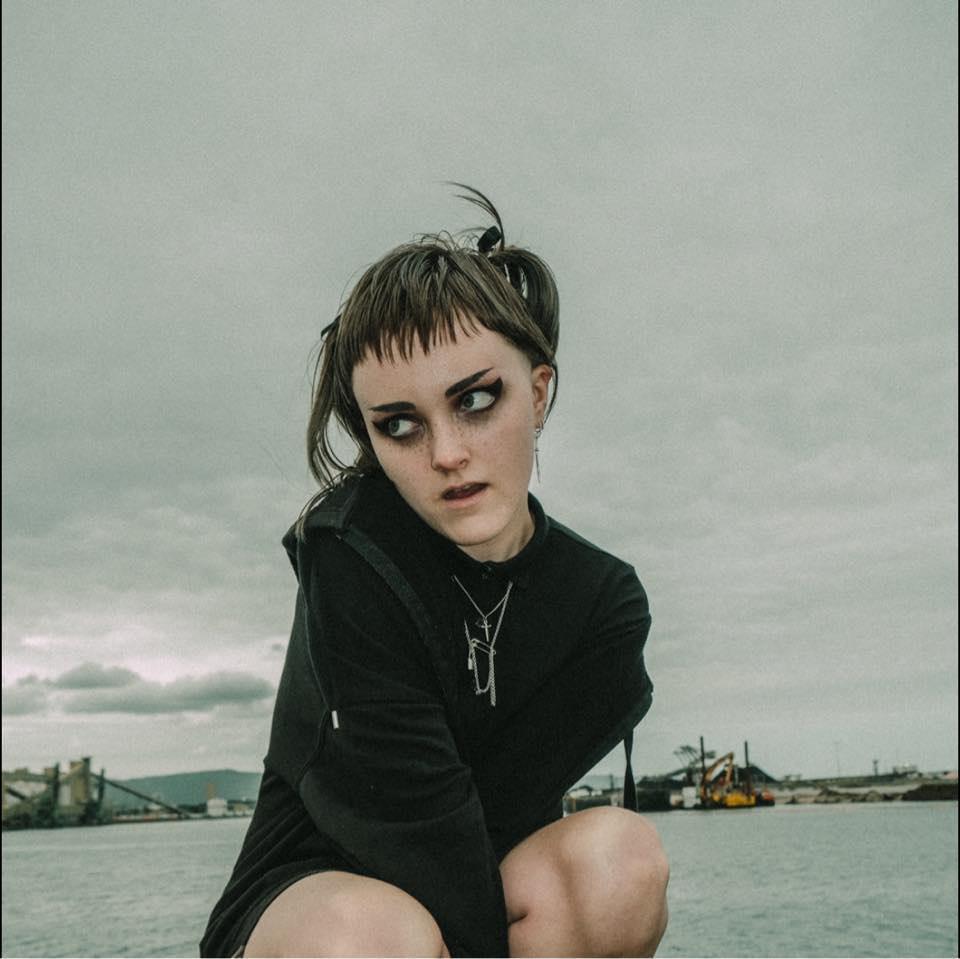
Yen Strange

Rock
Alternative Rock
 Viberate Rank: 498989
 Viberate Rank: 498989
 Monthly ListenersFollowers
 Subscribers
 Followers
 Followers
 FansTop Spotify Songs
| Track | 7-Day Streams | |
|---|---|---|
1 | 109 | |
2 | 48 | |
3 | 33 | |
4 | 30 | |
5 | 26 |
Top YouTube VideosMonthly ListenersFeatured in Playlists| Playlist | Followers | |
|---|---|---|
1 |  for the babes <3 meg | 55.06K |
2 |  David Dean Burkhart Mirror.FM | 7.67K |
3 |  indie pop. mada | 4.07K |
4 | Indie Alternative Cafe Music Mighty Big Playlists | 2.24K |
5 |  UNDISCOVERED & COZY indiemono | 1.56K |
Audience| City | Monthly Listeners | |
|---|---|---|
1 |  | 76 |
2 | | 71 |
3 | | 46 |
4 | | 27 |
5 | | 25 |
See full performance history, audience data, playlist activity, rankings, comparisons, and more in Viberate music analytics. Start with a free trial, then continue with a paid plan.
Yen Strange’s Spotify BioAustralia's Yen Strange emerged with an introspective mix of dreamy and glossy alt-pop in the late 2010s. Partly inspired by prior episodes of depression and social alienation, her debut single, "Donnie Darko," saw release in 2021.
Growing up in Moruya, Australia, Annabelle Scobie showed an interest in music by the age of seven, began studying the piano, and exercised her voice by singing along with the radio. Later struggling to fit in with cliques at school, she would often spend her lunch breaks in the music room. Scobie started playing in local bands after moving to larger Wollongong when she was 16, though no one around her seemed to share her music ambitions. She was enrolled at university and doubting whether putting music on hold was the right decision, when she wrote the song "Donnie Darko." Her piano demo came to the attention of producer Fletcher Matthews, and after adding pop and trap elements, it eventually became her official debut single.
Following early releases like… 2018's "Pixel" and an appearance on the 2020 Space Cassette compilation House of the Existential Dread with "Seagulls" as Yen Strange, "Donnie Darko" was released by Liberation Records in June 2021. By that time, she had set up base in Sydney. Strange collaborated with Matthews and Alice Ivy to produce tracks for her first EP. ~ Marcy Donelson, Rovi
Viberate is a music analytics platform built for A&Rs, artist managers, labels, booking agents, marketers, and artists.
It helps music professionals track artist growth, analyze audience data, monitor playlist activity, compare artists, follow song performance, and identify opportunities across the music market.
Public artist pages provide a free preview of selected artist data. Paid plans provide access to deeper analytics, historical data, charts, comparisons, playlist tools, exports, alerts, reports, and additional professional features.
Yes. Public Viberate artist pages provide selected artist analytics and music data for free.
Viberate also offers a 7-day free trial of the full platform. A credit card is required to start the trial. The trial includes access to the complete product so users can test deeper artist analytics, historical views, playlist insights, comparisons, charts, exports, alerts, and reporting features before choosing a paid plan.
Viberate provides artist analytics across streaming, playlists, social media, video, radio airplay, songs, and audience markets.
Users can analyze Spotify performance, Spotify and Apple Music playlists, YouTube activity, TikTok and Instagram growth, radio spins, song performance, audience locations, demographics, rankings, and overall artist momentum.
Artist profiles also connect to music charts, similar artists, and comparison tools, helping users benchmark performance and evaluate artists in context.
Viberate updates key artist and track data daily.
For followed artists and tracks, selected data is refreshed multiple times per day. This helps teams monitor playlist changes, streaming movement, audience growth, releases, and campaign performance with more current data.
Update frequency can vary depending on the metric and data source.
Yes. Viberate lets users compare up to five artists side by side across streaming, social media, audience, and engagement metrics.
Users can compare fanbase growth, audience demographics, locations, Spotify performance, social metrics, and other artist data over selected time periods.
Artist comparison can be used for A&R scouting, benchmarking, booking decisions, campaign planning, and evaluating artists with similar audiences or market positions.