YelworC

Electronic
Other Electronic Music
 Viberate Rank: 389280
 Viberate Rank: 389280
 Monthly ListenersFollowers
 Subscribers
 Followers
 Followers
 FansTop Spotify Songs
| Track | 7-Day Streams | |
|---|---|---|
1 | 29 | |
2 | 28 | |
3 | 28 | |
4 | 26 | |
5 | 25 |
Top YouTube VideosMonthly ListenersFeatured in Playlists| Playlist | Followers | |
|---|---|---|
1 | EBM | Industrial | Future Pop | Electro | Dark Electro | Synthie and more Anja Gerber | 5.55K |
2 |  The Sound of EBM The Sounds of Spotify | 1.65K |
3 |  ORKUS! - CURRENT ISSUE - Highlights/ AKTUELLE AUSGABE Orkus! | 1.59K |
4 |  The Sound of Electro-Industrial The Sounds of Spotify | 1.53K |
5 | IDM, Dark Ambient, Drone etc Apo Scarlatos | 1.43K |
Audience| City | Monthly Listeners | |
|---|---|---|
1 |  | 12 |
2 |  | 7 |
3 |  | 6 |
4 |  | 4 |
5 | | 4 |
See full performance history, audience data, playlist activity, rankings, comparisons, and more in Viberate music analytics. Start with a free trial, then continue with a paid plan.
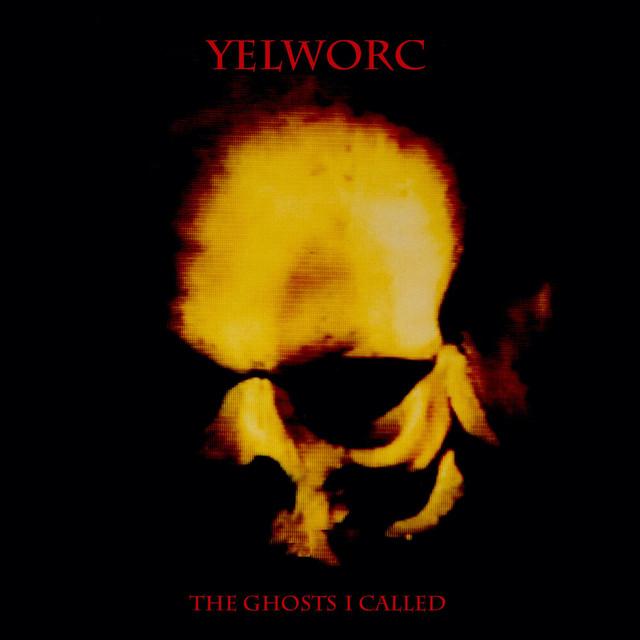
YelworC’s Spotify BioFor a long time the abrasive and dark electro-industrial unit YelworC fell into the "more a legend than a band" category. Many Internet message boards praised them, plenty of industrial bands claimed them as an influence, but you couldn't find an album by them to save your life. It wasn't until file-sharing programs became popular that most fans got to hear the band, and soon YelworC MP3s were being swapped feverishly among industrial fans. Germans Peter Devlin and Dominik van Reich formed YelworC (Crowley backwards, as in Aleister) in 1988. They had released eight demo tapes by the time they signed to the German label Celtic Circle in 1991. They put out three albums -- 1992's Brainstorming, 1993's Blood in Face, and 1995's Collection: 1988-1994 before splitting up. Devlin kept the YelworC name, and Reich carried on as amgoD (Dogma backwards), while the original YelworC recordings went out-of-print. Over the next ten years, fans that actually got to hear their original releases sang… the praises of the aggressive beats and dark lyrics, and compared them to an even more underground Skinny Puppy. Fans were shocked when their favorite little secret announced they were ready to return. In early 2004 Metropolis records released the first record in a planned trilogy, the concept album Trinity. ~ David Jeffries, Rovi
Viberate is a music analytics platform built for A&Rs, artist managers, labels, booking agents, marketers, and artists.
It helps music professionals track artist growth, analyze audience data, monitor playlist activity, compare artists, follow song performance, and identify opportunities across the music market.
Public artist pages provide a free preview of selected artist data. Paid plans provide access to deeper analytics, historical data, charts, comparisons, playlist tools, exports, alerts, reports, and additional professional features.
Yes. Public Viberate artist pages provide selected artist analytics and music data for free.
Viberate also offers a 7-day free trial of the full platform. A credit card is required to start the trial. The trial includes access to the complete product so users can test deeper artist analytics, historical views, playlist insights, comparisons, charts, exports, alerts, and reporting features before choosing a paid plan.
Viberate provides artist analytics across streaming, playlists, social media, video, radio airplay, songs, and audience markets.
Users can analyze Spotify performance, Spotify and Apple Music playlists, YouTube activity, TikTok and Instagram growth, radio spins, song performance, audience locations, demographics, rankings, and overall artist momentum.
Artist profiles also connect to music charts, similar artists, and comparison tools, helping users benchmark performance and evaluate artists in context.
Viberate updates key artist and track data daily.
For followed artists and tracks, selected data is refreshed multiple times per day. This helps teams monitor playlist changes, streaming movement, audience growth, releases, and campaign performance with more current data.
Update frequency can vary depending on the metric and data source.
Yes. Viberate lets users compare up to five artists side by side across streaming, social media, audience, and engagement metrics.
Users can compare fanbase growth, audience demographics, locations, Spotify performance, social metrics, and other artist data over selected time periods.
Artist comparison can be used for A&R scouting, benchmarking, booking decisions, campaign planning, and evaluating artists with similar audiences or market positions.