Y La Bamba

Pop
Indie Pop
 Viberate Rank: 84446
 Viberate Rank: 84446
 Monthly ListenersFollowers
 Subscribers
 Followers
 Followers
 FansTop Spotify Songs
| Track | 7-Day Streams | |
|---|---|---|
1 | 15.37K | |
2 | 12.47K | |
3 | 4.69K | |
4 | 3.73K | |
5 | 3.64K |
Top YouTube Videos| Video | 7-Day Views | |
|---|---|---|
1 | 19 | |
2 | 3 |
Monthly ListenersFeatured in Playlists| Playlist | Followers | |
|---|---|---|
1 |  Feel Good Dinner Spotify | 846.64K |
2 |  Tulum Vibes Spotify | 481.68K |
3 |  The Diner’s Vibrations daniel_williams2013 | 106.07K |
4 |  High Fidelity Official Playlist Danito | 47.70K |
5 |  The Lumineers Inspiration The Lumineers | 42.57K |
Audience| City | Monthly Listeners | |
|---|---|---|
1 |  | 2.45K |
2 | | 2.32K |
3 | | 1.50K |
4 | | 1.45K |
5 | | 1.28K |
See full performance history, audience data, playlist activity, rankings, comparisons, and more in Viberate music analytics. Start with a free trial, then continue with a paid plan.
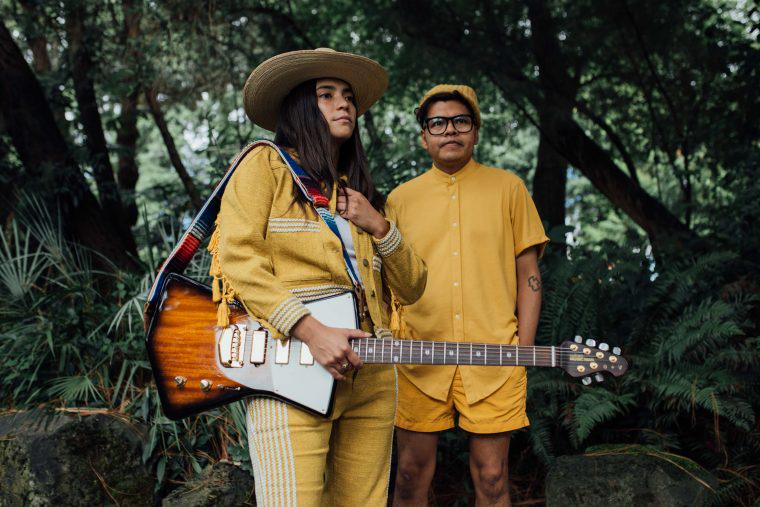
Y La Bamba’s Spotify BioTo declare one thematic narrative from Lucha, Y La Bamba’s seventh album, would be to chisel away a story within a story within a story into the illusion of something singular. “Lucha is a symbol of how hard it is for me to tackle healing, live life, and be present,” Luz Elena Mendoza Ramos, lead vocalist and producer of Y La Bamba, says of the title behind the album which translates from Spanish to English as ‘fight’ and is also a nickname for Luz, which means light. The album explores multiplicity—love, queerness, Mexican American and Chicanx identity, family, intimacy, yearning, loneliness—and chronicles a period of struggle and growth for Mendoza Ramos as a person and artist Lucha was born out of isolation at the advent of COVID-19 lockdowns, beginning with a cover of Hank Williams’ “I’m So Lonesome I Could Cry,” and following Mendoza Ramos as she moved from Portland, Oregon to Mexico City, returning to her parents’ home country while revisiting a lineage marred by violence and… silence, and simultaneously reaching towards deeper relationships with loved ones and herself. The album reflects “another tier of facing vulnerability,” as Mendoza Ramos explains, and is a battle cry to fight in order to be seen and to be accepted, if not celebrated, in every form—anger and compassion, externally and internally, individually and societally.
Viberate is a music analytics platform built for A&Rs, artist managers, labels, booking agents, marketers, and artists.
It helps music professionals track artist growth, analyze audience data, monitor playlist activity, compare artists, follow song performance, and identify opportunities across the music market.
Public artist pages provide a free preview of selected artist data. Paid plans provide access to deeper analytics, historical data, charts, comparisons, playlist tools, exports, alerts, reports, and additional professional features.
Yes. Public Viberate artist pages provide selected artist analytics and music data for free.
Viberate also offers a 7-day free trial of the full platform. A credit card is required to start the trial. The trial includes access to the complete product so users can test deeper artist analytics, historical views, playlist insights, comparisons, charts, exports, alerts, and reporting features before choosing a paid plan.
Viberate provides artist analytics across streaming, playlists, social media, video, radio airplay, songs, and audience markets.
Users can analyze Spotify performance, Spotify and Apple Music playlists, YouTube activity, TikTok and Instagram growth, radio spins, song performance, audience locations, demographics, rankings, and overall artist momentum.
Artist profiles also connect to music charts, similar artists, and comparison tools, helping users benchmark performance and evaluate artists in context.
Viberate updates key artist and track data daily.
For followed artists and tracks, selected data is refreshed multiple times per day. This helps teams monitor playlist changes, streaming movement, audience growth, releases, and campaign performance with more current data.
Update frequency can vary depending on the metric and data source.
Yes. Viberate lets users compare up to five artists side by side across streaming, social media, audience, and engagement metrics.
Users can compare fanbase growth, audience demographics, locations, Spotify performance, social metrics, and other artist data over selected time periods.
Artist comparison can be used for A&R scouting, benchmarking, booking decisions, campaign planning, and evaluating artists with similar audiences or market positions.