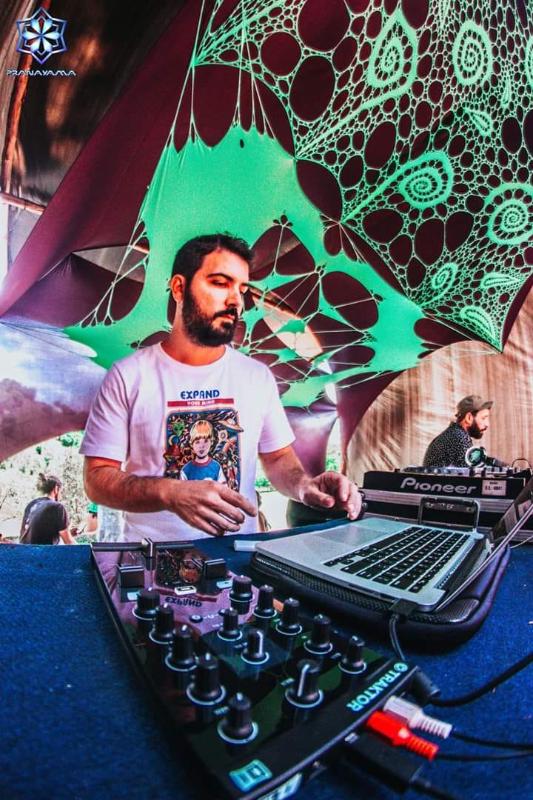
Xed

Electronic
Psy Trance
 Viberate Rank: 504199
 Viberate Rank: 504199
 Monthly ListenersFollowers
 Subscribers
 Followers
 Followers
 FansTop Spotify Songs
| Track | 7-Day Streams | |
|---|---|---|
1 | 161 | |
2 | 25 | |
3 | 8 | |
4 | 8 | |
5 | 8 |
Top YouTube VideosMonthly ListenersFeatured in Playlists| Playlist | Followers | |
|---|---|---|
1 |  Psychedelic Trance Marcel Huber | 65.83K |
2 |  Psytrance =) Kristoffer Sørensen | 38.14K |
3 |  This Is Prodelic Elysha | 4.25K |
4 |  Beatport Best New Psy-Trance Beatport | 3.02K |
5 |  Forest Psytrance 2026 Alê Mattos | 2.01K |
Audience| City | Monthly Listeners | |
|---|---|---|
1 |  | 54 |
2 |  | 43 |
3 |  | 40 |
4 | | 27 |
5 |  | 26 |
See full performance history, audience data, playlist activity, rankings, comparisons, and more in Viberate music analytics. Start with a free trial, then continue with a paid plan.
Xed’s Spotify BioXed is the psytrance project by the Founder of Patronus records, Cedric Marugg.
Born in Switzerland, he discovered the psytrance scene and started playing DJ-Sets at local parties in 2016 and got himself immersed deeply into everything about it, due to falling in love with the music and dancing. After some parties he decided to organize his own events in the Swiss mountains and gather experience organizing raves. After two years of DJing he decided to dive into music production and started developing his skills with help by some of his friends (Mirror Engine, Metrix, Yaroc a.m.m.). Cedric quickly learned and distinguished himself as having a unique style very early on. As time went on, next to putting in lots of time into the record label, his production only grew more mature and clean, not loosing a bit in creative ideas. Wild, unorthodox breaks, funky stinging raygun sounds, poisonous acid stabs, reckless alien space battles and all the gud spacey shit included. Fun but yet… introspective psychedelia, but undoubtedly different, generating excitement through sheer overflow of creative and brain-twirling patterns and grooves. Blasting as loud as possible is an moral obligation. Patronus Records has been founded officially in 2018 and since then, Cedric, with all the fire in his heart, has been continuously putting great effort and work into it. His goals are always growing as an individual.
Viberate is a music analytics platform built for A&Rs, artist managers, labels, booking agents, marketers, and artists.
It helps music professionals track artist growth, analyze audience data, monitor playlist activity, compare artists, follow song performance, and identify opportunities across the music market.
Public artist pages provide a free preview of selected artist data. Paid plans provide access to deeper analytics, historical data, charts, comparisons, playlist tools, exports, alerts, reports, and additional professional features.
Yes. Public Viberate artist pages provide selected artist analytics and music data for free.
Viberate also offers a 7-day free trial of the full platform. A credit card is required to start the trial. The trial includes access to the complete product so users can test deeper artist analytics, historical views, playlist insights, comparisons, charts, exports, alerts, and reporting features before choosing a paid plan.
Viberate provides artist analytics across streaming, playlists, social media, video, radio airplay, songs, and audience markets.
Users can analyze Spotify performance, Spotify and Apple Music playlists, YouTube activity, TikTok and Instagram growth, radio spins, song performance, audience locations, demographics, rankings, and overall artist momentum.
Artist profiles also connect to music charts, similar artists, and comparison tools, helping users benchmark performance and evaluate artists in context.
Viberate updates key artist and track data daily.
For followed artists and tracks, selected data is refreshed multiple times per day. This helps teams monitor playlist changes, streaming movement, audience growth, releases, and campaign performance with more current data.
Update frequency can vary depending on the metric and data source.
Yes. Viberate lets users compare up to five artists side by side across streaming, social media, audience, and engagement metrics.
Users can compare fanbase growth, audience demographics, locations, Spotify performance, social metrics, and other artist data over selected time periods.
Artist comparison can be used for A&R scouting, benchmarking, booking decisions, campaign planning, and evaluating artists with similar audiences or market positions.