
Xece

Middle Eastern
Turkish Folk
Arabic Pop
 Viberate Rank: 19395
 Viberate Rank: 19395
 Monthly ListenersFollowers
 Subscribers
 Followers
 Followers
 FansTop Spotify Songs
| Track | 7-Day Streams | |
|---|---|---|
1 | 101.68K | |
2 | 87.57K | |
3 | 47.68K | |
4 | 38.85K | |
5 | 30.54K |
Top YouTube VideosMonthly ListenersFeatured in Playlists| Playlist | Followers | |
|---|---|---|
1 |  Ez kurmancî dîbejîm ✌🏻 Türkan | 59.63K |
2 | KÜRTÇE ( DÜĞÜN) HALAY Berroşşş | 38.94K |
3 |  Aşiret Pakette Dinlemelik 'DOĞAN | 37.14K |
4 |  Kürtçe En İyi 50 Wenda | 27.34K |
5 | 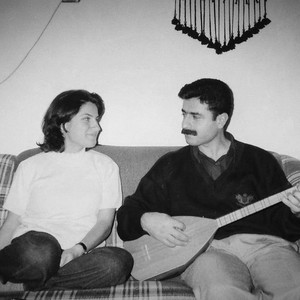 ez aşîqe çawe teme ssvvaallll | 22.42K |
Audience| City | Monthly Listeners | |
|---|---|---|
1 | | 130.09K |
2 | | 48.05K |
3 | | 28.24K |
4 | | 20.64K |
5 | | 19.25K |
See full performance history, audience data, playlist activity, rankings, comparisons, and more in Viberate music analytics. Start with a free trial, then continue with a paid plan.
Xece’s Spotify BioXecê is originally from Hebler the village of Cizîr. Xecê was born in 1978 Yafes in Cizîr. Xecê has 5 brothers and 2 sisters. She is the youngest in the house. Music is a dream from his childhood for her. In 1996, she realized her dream by starting to study music at İzmir Navenda Çanda Mezopotamya ( Mezopotamya Cultural Center). She took part in various music groups between 1996-2003. Finally, she took part in Koma Avzem, consisting of 5 ladies, with bağlama solo and vocals, and this work ended with the breakup of the group. Her first professional work was the album Dem ( Time) in 2008. Then the album Ez û Tu (Me and You ) in 2018 and the album Guldesteyek Ji Stranên Mihemed Şexo ( a bouquet from Mihemed Şexo's songs ) was released in 2022. She took her place among the most listened and best knows Kurdish musicians. Xecê's story with music continues without break.
Viberate is a music analytics platform built for A&Rs, artist managers, labels, booking agents, marketers, and artists.
It helps music professionals track artist growth, analyze audience data, monitor playlist activity, compare artists, follow song performance, and identify opportunities across the music market.
Public artist pages provide a free preview of selected artist data. Paid plans provide access to deeper analytics, historical data, charts, comparisons, playlist tools, exports, alerts, reports, and additional professional features.
Yes. Public Viberate artist pages provide selected artist analytics and music data for free.
Viberate also offers a 7-day free trial of the full platform. A credit card is required to start the trial. The trial includes access to the complete product so users can test deeper artist analytics, historical views, playlist insights, comparisons, charts, exports, alerts, and reporting features before choosing a paid plan.
Viberate provides artist analytics across streaming, playlists, social media, video, radio airplay, songs, and audience markets.
Users can analyze Spotify performance, Spotify and Apple Music playlists, YouTube activity, TikTok and Instagram growth, radio spins, song performance, audience locations, demographics, rankings, and overall artist momentum.
Artist profiles also connect to music charts, similar artists, and comparison tools, helping users benchmark performance and evaluate artists in context.
Viberate updates key artist and track data daily.
For followed artists and tracks, selected data is refreshed multiple times per day. This helps teams monitor playlist changes, streaming movement, audience growth, releases, and campaign performance with more current data.
Update frequency can vary depending on the metric and data source.
Yes. Viberate lets users compare up to five artists side by side across streaming, social media, audience, and engagement metrics.
Users can compare fanbase growth, audience demographics, locations, Spotify performance, social metrics, and other artist data over selected time periods.
Artist comparison can be used for A&R scouting, benchmarking, booking decisions, campaign planning, and evaluating artists with similar audiences or market positions.