XAKOL

Metal
Power Metal
Progressive Metal
 Viberate Rank: 471433
 Viberate Rank: 471433
 Monthly ListenersFollowers
 Subscribers
 Followers
 Followers
 FansTop Spotify Songs
| Track | 7-Day Streams | |
|---|---|---|
1 | 195 | |
2 | 15 | |
3 | 4 | |
4 | 2 | |
5 | 1 |
Top YouTube VideosMonthly ListenersFeatured in Playlists| Playlist | Followers | |
|---|---|---|
1 | GUITAR FLASH 21opmny56axcl4y6rp4q3d2ka | 2.58K |
2 | Metal Espadinha 🎸⚔️ Claudio | 1.61K |
Audience| City | Monthly Listeners | |
|---|---|---|
1 | | 123 |
2 | | 36 |
3 | | 29 |
4 | | 28 |
5 | | 21 |
See full performance history, audience data, playlist activity, rankings, comparisons, and more in Viberate music analytics. Start with a free trial, then continue with a paid plan.
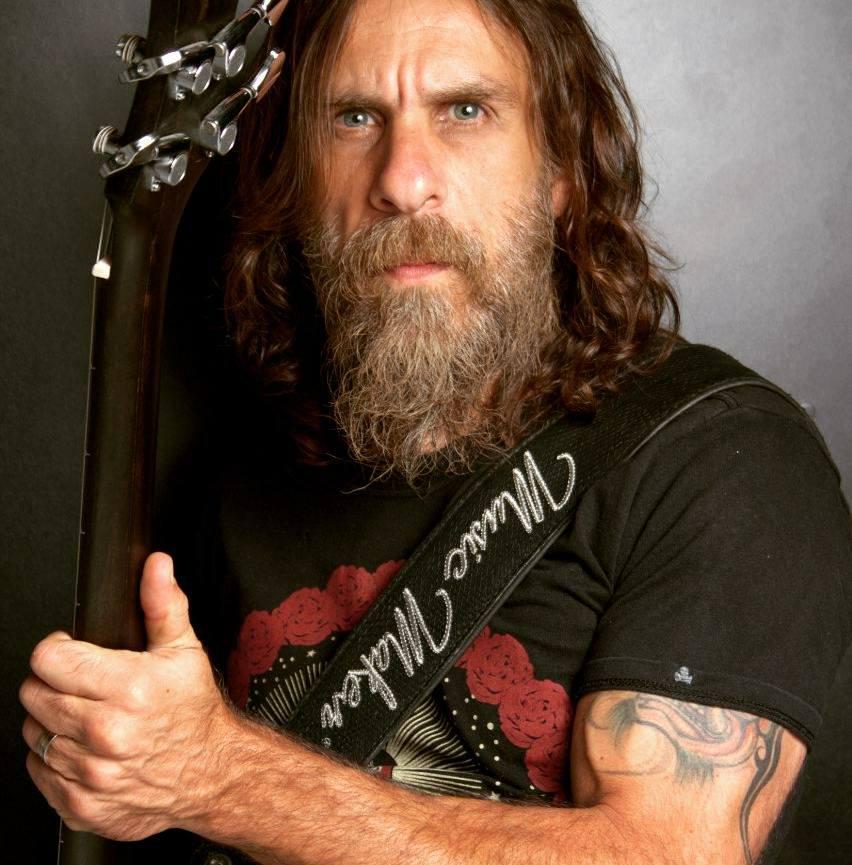
XAKOL’s Spotify BioSaulo “XAKOL” Castilho is a singer, songwriter and multi-instrumentalist from Santa Catarina, Brazil. At age 7 he could already write poetry and at age 14 he found in music a new dimension for his art when he started playing the bass and writing his own songs. At age 13, he came up with XAKOL, a short and unique word to express his identity as a pseudonym and the name of his musical project.
XAKOL’s second single Metal for Demons features guest singer Detonator, a character played by comedian and musician Bruno Sutter, also the frontman of one of the country’s top selling metal bands, Massacration.
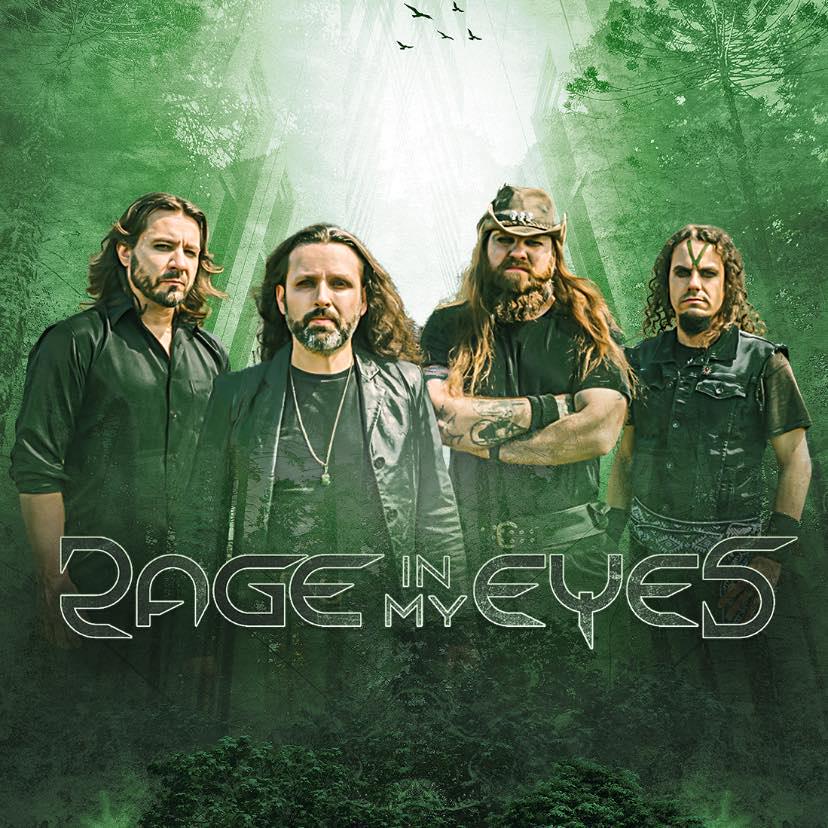
In 2019, he became the bass player for Brazilian Metal giants Noturnall, which have featured former members of internationally renowned bands such as Adrenaline Mob, Shaman, ANGRA and Project46, besides guest appearances from legends like Michael Kiske (Helloween, Unisonic), Russell Allen (Symphony X, Adrenaline Mob), James Labrie (Dream Theater), among others. His first gig with Noturnall… was supporting Disturbed in Russia to a crowd of over 20,000 people. Performed twice in Rock in Rio and toured with Mike Portnoy and former Iron Maiden singer Paul Di'Anno.
He is currently working on an 80-minute album co-produced by himself, Thiago Bianchi and Edu Falaschi (Almah, ex-Angra). Though rooted in progressive and power metal, his songs range from simple and catchy melodies to atonality generated by mathematical algorithms, covering a huge variety of sub-genres of metal and rock.
Viberate is a music analytics platform built for A&Rs, artist managers, labels, booking agents, marketers, and artists.
It helps music professionals track artist growth, analyze audience data, monitor playlist activity, compare artists, follow song performance, and identify opportunities across the music market.
Public artist pages provide a free preview of selected artist data. Paid plans provide access to deeper analytics, historical data, charts, comparisons, playlist tools, exports, alerts, reports, and additional professional features.
Yes. Public Viberate artist pages provide selected artist analytics and music data for free.
Viberate also offers a 7-day free trial of the full platform. A credit card is required to start the trial. The trial includes access to the complete product so users can test deeper artist analytics, historical views, playlist insights, comparisons, charts, exports, alerts, and reporting features before choosing a paid plan.
Viberate provides artist analytics across streaming, playlists, social media, video, radio airplay, songs, and audience markets.
Users can analyze Spotify performance, Spotify and Apple Music playlists, YouTube activity, TikTok and Instagram growth, radio spins, song performance, audience locations, demographics, rankings, and overall artist momentum.
Artist profiles also connect to music charts, similar artists, and comparison tools, helping users benchmark performance and evaluate artists in context.
Viberate updates key artist and track data daily.
For followed artists and tracks, selected data is refreshed multiple times per day. This helps teams monitor playlist changes, streaming movement, audience growth, releases, and campaign performance with more current data.
Update frequency can vary depending on the metric and data source.
Yes. Viberate lets users compare up to five artists side by side across streaming, social media, audience, and engagement metrics.
Users can compare fanbase growth, audience demographics, locations, Spotify performance, social metrics, and other artist data over selected time periods.
Artist comparison can be used for A&R scouting, benchmarking, booking decisions, campaign planning, and evaluating artists with similar audiences or market positions.