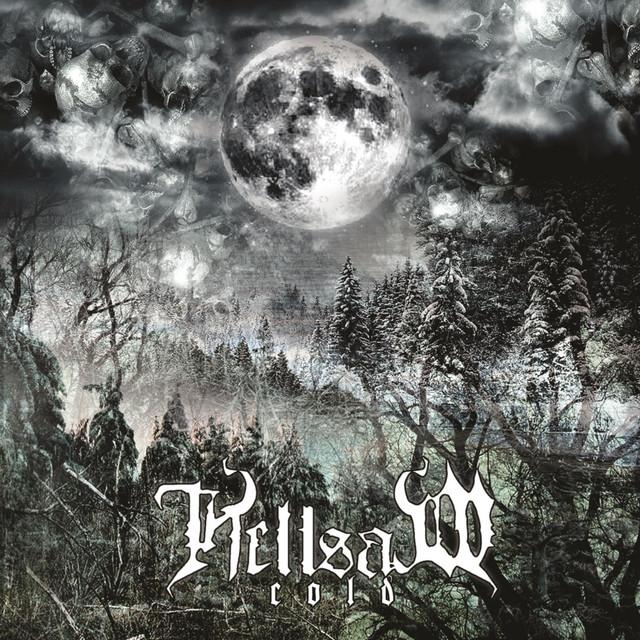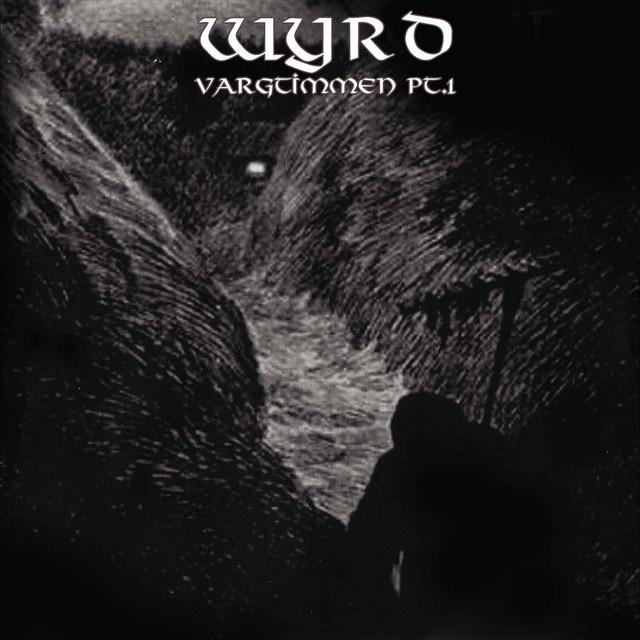
Wyrd

Metal
Black Metal
Folk Metal
Doom/Sludge Metal
 Viberate Rank: 396964
 Viberate Rank: 396964
 Monthly ListenersFollowers
 Subscribers
 Followers
 Followers
 FansTop Spotify Songs
| Track | 7-Day Streams | |
|---|---|---|
1 | 81 | |
2 | 52 | |
3 | 19 | |
4 | 18 | |
5 | 15 |
Top YouTube VideosMonthly ListenersFeatured in Playlists| Playlist | Followers | |
|---|---|---|
1 |  Atmospheric Black Metal Jorge Urosa Alonso | 36.97K |
2 |  Useless | 4.24K |
3 |  BLACKMETAL DSBM badyushka🕷️🩸 | 3.61K |
4 |  Atmospheric Black Metal. alba | 2.76K |
5 |  Atmospheric Black Metal/ DSBM Marc Ost | 1.81K |
Audience| City | Monthly Listeners | |
|---|---|---|
1 | | 13 |
2 |  | 11 |
3 |  | 8 |
4 |  | 7 |
5 |  | 7 |
See full performance history, audience data, playlist activity, rankings, comparisons, and more in Viberate music analytics. Start with a free trial, then continue with a paid plan.
Wyrd’s Spotify BioA Finnish black metal group co-founded by former Azaghal multi-instrumentalist Narqath (Tomi Kalliola), Wyrd emerged in the late 1990s with an icy, thrash-heavy style that would eventually morph into more atmospheric pagan folk- and doom-influenced black metal territory on albums like Kammen (2007) and Death of the Sun (2016).
Originally operating under the moniker Hellkult alongside fellow ex-Azaghal member Kalma, the group released a trio of thrashy demos between 1997-1998, but after the last of these, Of Pure Heathen Blood, Kalma decided to call it day, and Narqath re-imagined the project, dubbing it Wyrd, which translates to "fate" in Old English. Bringing gloomier and more atmospheric sounds into the mix, and focusing on Nordic mythology and folklore, Narqath released a series of demos before securing a deal with the Millennium Metal label, which would go on to issue Wyrd's official debut album, Heathen, in 2001. Huldrafolk followed in 2002, with the narrative-driven, two-part… Vargtimmen double LP -- The Inmost Night and Ominous Insomnia -- arriving in 2003 and 2004, respectively. Drummer JL Nokturnal joined the project in 2005 and made his studio debut on that year's Rota. 2006's The Ghost Album would be Wyrd's sixth full-length effort, and in 2007 they issued Kammen, which marked the duo's debut for Avantgarde Music. Kalivägi arrived two years later, followed in 2016 by Death of the Sun, which saw the band move over to Moribund Records. The group returned in 2019 with their second outing for Moribund, Vargtimmen, Pt. 1. ~ James Christopher Monger, Rovi
Viberate is a music analytics platform built for A&Rs, artist managers, labels, booking agents, marketers, and artists.
It helps music professionals track artist growth, analyze audience data, monitor playlist activity, compare artists, follow song performance, and identify opportunities across the music market.
Public artist pages provide a free preview of selected artist data. Paid plans provide access to deeper analytics, historical data, charts, comparisons, playlist tools, exports, alerts, reports, and additional professional features.
Yes. Public Viberate artist pages provide selected artist analytics and music data for free.
Viberate also offers a 7-day free trial of the full platform. A credit card is required to start the trial. The trial includes access to the complete product so users can test deeper artist analytics, historical views, playlist insights, comparisons, charts, exports, alerts, and reporting features before choosing a paid plan.
Viberate provides artist analytics across streaming, playlists, social media, video, radio airplay, songs, and audience markets.
Users can analyze Spotify performance, Spotify and Apple Music playlists, YouTube activity, TikTok and Instagram growth, radio spins, song performance, audience locations, demographics, rankings, and overall artist momentum.
Artist profiles also connect to music charts, similar artists, and comparison tools, helping users benchmark performance and evaluate artists in context.
Viberate updates key artist and track data daily.
For followed artists and tracks, selected data is refreshed multiple times per day. This helps teams monitor playlist changes, streaming movement, audience growth, releases, and campaign performance with more current data.
Update frequency can vary depending on the metric and data source.
Yes. Viberate lets users compare up to five artists side by side across streaming, social media, audience, and engagement metrics.
Users can compare fanbase growth, audience demographics, locations, Spotify performance, social metrics, and other artist data over selected time periods.
Artist comparison can be used for A&R scouting, benchmarking, booking decisions, campaign planning, and evaluating artists with similar audiences or market positions.