Wrong

Metal
Alternative Metal
Noise Rock
 Viberate Rank: 349969
 Viberate Rank: 349969
 Monthly ListenersFollowers
 Subscribers
 Followers
 Followers
 FansTop YouTube VideosMonthly ListenersFeatured in Playlists
| Playlist | Followers | |
|---|---|---|
1 |  The Sound of Post-Doom Metal The Sounds of Spotify | 2.08K |
2 | Nirvana Covers ("Doused in Mud, Soaked in Bleach", "Whatever Nevermind" + "In Utero: In Tribute") Robotic Empire | 1.84K |
3 |  Official SXSW Music 2016 Complete Playlist SXSW | 1.76K |
4 |  Best New Noise Decibel Magazine | 1.44K |
Audience| City | Monthly Listeners | |
|---|---|---|
1 | | 8 |
2 |  | 7 |
3 | | 7 |
4 | | 7 |
5 | | 6 |
See full performance history, audience data, playlist activity, rankings, comparisons, and more in Viberate music analytics. Start with a free trial, then continue with a paid plan.
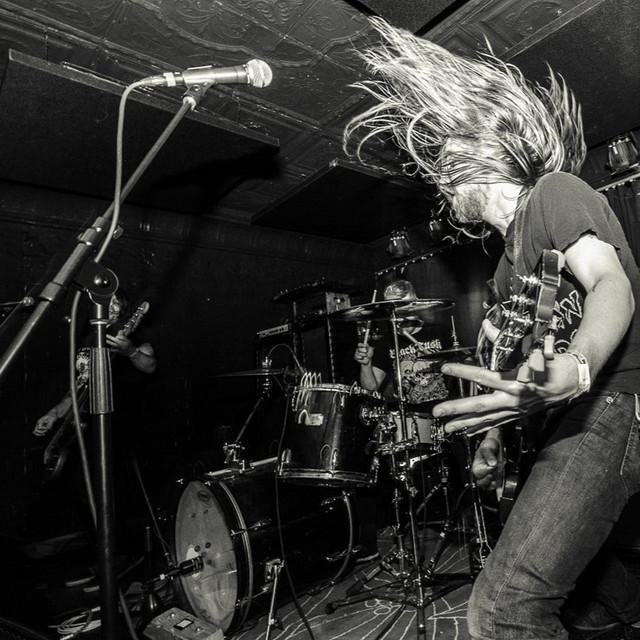
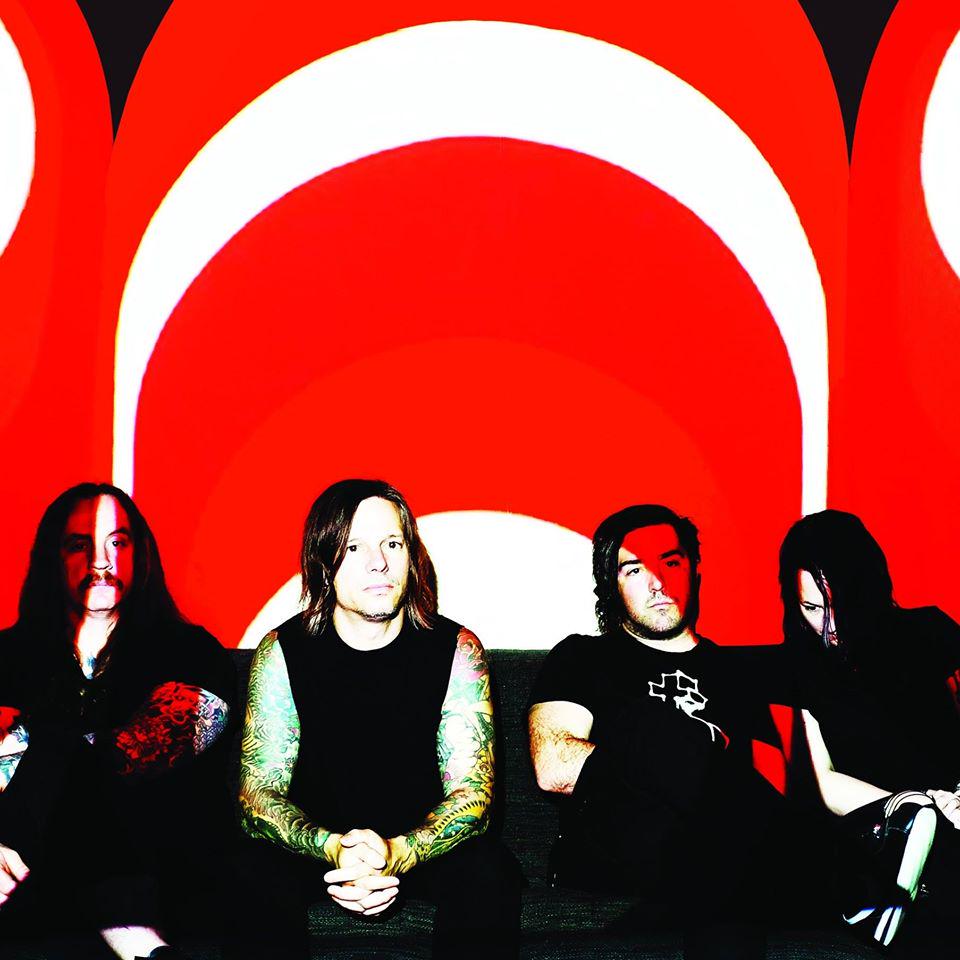
Wrong’s Spotify BioA Miami-based quartet that filters the sludgy, bottom-heavy boom of '90s grunge through a sieve lined with punishing post-hardcore and left-field experimental noise rock, Wrong was founded in 2014 after the dissolution of local hardcore/punk outfit Capsule. Drawing inspiration from bands like Unsane, Handsome, and Helmet, the band, which features members of Torche and Kylesa, includes siblings Eric Hernandez (guitarist/vocalist ) and Brian Hernandez (drums), bassist Andres Ascanio, and guitarist Ryan Haft. In 2015, after finishing up a tour with Black Tusk and House of Lightning, the band inked a deal with Relapse Records and began work on their eponymous debut album, which was released in late April of the following year. In 2018, the band returned with their moody and ecelctic sophomore effort, Feel Great. ~ James Christopher Monger, Rovi
Viberate is a music analytics platform built for A&Rs, artist managers, labels, booking agents, marketers, and artists.
It helps music professionals track artist growth, analyze audience data, monitor playlist activity, compare artists, follow song performance, and identify opportunities across the music market.
Public artist pages provide a free preview of selected artist data. Paid plans provide access to deeper analytics, historical data, charts, comparisons, playlist tools, exports, alerts, reports, and additional professional features.
Yes. Public Viberate artist pages provide selected artist analytics and music data for free.
Viberate also offers a 7-day free trial of the full platform. A credit card is required to start the trial. The trial includes access to the complete product so users can test deeper artist analytics, historical views, playlist insights, comparisons, charts, exports, alerts, and reporting features before choosing a paid plan.
Viberate provides artist analytics across streaming, playlists, social media, video, radio airplay, songs, and audience markets.
Users can analyze Spotify performance, Spotify and Apple Music playlists, YouTube activity, TikTok and Instagram growth, radio spins, song performance, audience locations, demographics, rankings, and overall artist momentum.
Artist profiles also connect to music charts, similar artists, and comparison tools, helping users benchmark performance and evaluate artists in context.
Viberate updates key artist and track data daily.
For followed artists and tracks, selected data is refreshed multiple times per day. This helps teams monitor playlist changes, streaming movement, audience growth, releases, and campaign performance with more current data.
Update frequency can vary depending on the metric and data source.
Yes. Viberate lets users compare up to five artists side by side across streaming, social media, audience, and engagement metrics.
Users can compare fanbase growth, audience demographics, locations, Spotify performance, social metrics, and other artist data over selected time periods.
Artist comparison can be used for A&R scouting, benchmarking, booking decisions, campaign planning, and evaluating artists with similar audiences or market positions.