WRONG EAGLE

Punk
Punk Rock
 Viberate Rank: 924002
 Viberate Rank: 924002
 Monthly ListenersFollowers
 Subscribers
 Followers
 Followers
 FansTop Spotify Songs
| Track | 7-Day Streams | |
|---|---|---|
1 | 1 |
Top YouTube VideosMonthly ListenersFeatured in PlaylistsAudience| City | Monthly Listeners | |
|---|---|---|
1 | | 5 |
2 | | 3 |
3 | | 2 |
4 | | 2 |
5 | | 2 |
See full performance history, audience data, playlist activity, rankings, comparisons, and more in Viberate music analytics. Start with a free trial, then continue with a paid plan.
WRONG EAGLE’s Spotify BioOn a cold late autumn evening in November, four people came together in a basement. When they left the basement that evening, they were a band.
Yet unnamed as a band, the four of them began writing songs. After a month or so of asking the question, “Is that our band name?” Alex, Dakota, Micheal, and Todd had settled upon the moniker Wrong Eagle.
The name’s origins are from an inebriated night with friends in which the words “No, you’ve got the wrong eagle. That’s definitely an eagle, but the wrong kind of eagle.” were spoken by Todd. Michael immediately uttered the aforementioned question and it ended up sticking.
The sound that emerged was something a little different. A defiant yawp in the face of the monotony. Much like their varied influences, its a bit hard to define exactly what that sound should be called.
Sort of punk. Fairly dancy. Generally positive. A little bit twinkly. Post-whatever.
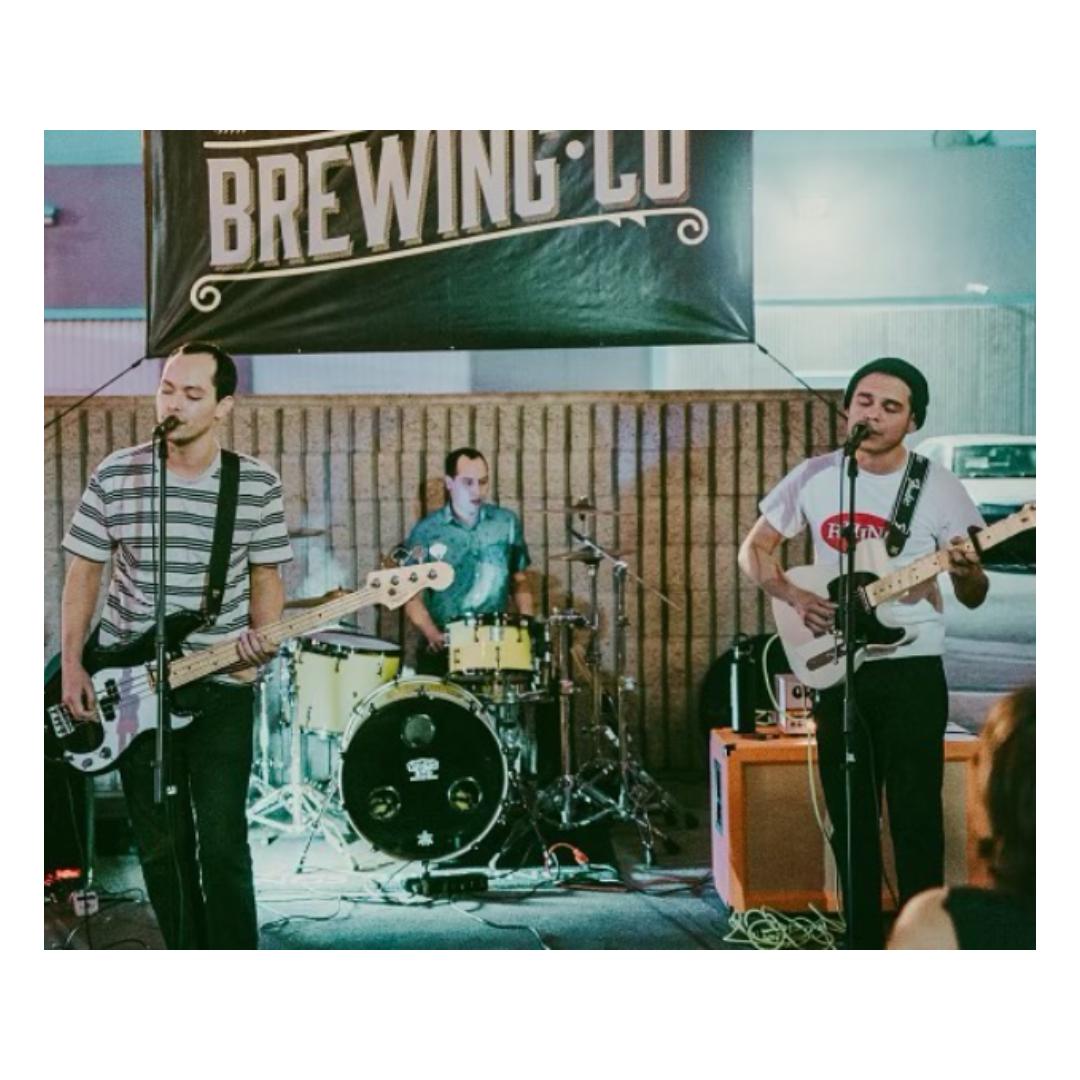
By February of 2019, Wrong Eagle was ready to take flight. The first live performance was on… the 2nd of that month at Springwater Supper Club, Tennessee’s Oldest Bar. Wrong Eagle played a five song, roughly 25 minute set.
Over the next few months of local Nashville, middle Tennessee, and northern Alabama shows, the Wrong Eagle live performance began to take shape. Mimicking their sound, the performances are known to be ripe with ample amounts of attitude and chaotic energy, while providing plenty of groove to bounce along.
Viberate is a music analytics platform built for A&Rs, artist managers, labels, booking agents, marketers, and artists.
It helps music professionals track artist growth, analyze audience data, monitor playlist activity, compare artists, follow song performance, and identify opportunities across the music market.
Public artist pages provide a free preview of selected artist data. Paid plans provide access to deeper analytics, historical data, charts, comparisons, playlist tools, exports, alerts, reports, and additional professional features.
Yes. Public Viberate artist pages provide selected artist analytics and music data for free.
Viberate also offers a 7-day free trial of the full platform. A credit card is required to start the trial. The trial includes access to the complete product so users can test deeper artist analytics, historical views, playlist insights, comparisons, charts, exports, alerts, and reporting features before choosing a paid plan.
Viberate provides artist analytics across streaming, playlists, social media, video, radio airplay, songs, and audience markets.
Users can analyze Spotify performance, Spotify and Apple Music playlists, YouTube activity, TikTok and Instagram growth, radio spins, song performance, audience locations, demographics, rankings, and overall artist momentum.
Artist profiles also connect to music charts, similar artists, and comparison tools, helping users benchmark performance and evaluate artists in context.
Viberate updates key artist and track data daily.
For followed artists and tracks, selected data is refreshed multiple times per day. This helps teams monitor playlist changes, streaming movement, audience growth, releases, and campaign performance with more current data.
Update frequency can vary depending on the metric and data source.
Yes. Viberate lets users compare up to five artists side by side across streaming, social media, audience, and engagement metrics.
Users can compare fanbase growth, audience demographics, locations, Spotify performance, social metrics, and other artist data over selected time periods.
Artist comparison can be used for A&R scouting, benchmarking, booking decisions, campaign planning, and evaluating artists with similar audiences or market positions.