Wolfsbane

Metal
Heavy Metal
 Viberate Rank: 267213
 Viberate Rank: 267213
 Monthly ListenersFollowers
 Subscribers
 Followers
 Followers
 FansTop Spotify Songs
| Track | 7-Day Streams | |
|---|---|---|
1 | 263 | |
2 | 222 | |
3 | 112 | |
4 | 109 | |
5 | 99 |
Top YouTube VideosMonthly ListenersFeatured in Playlists| Playlist | Followers | |
|---|---|---|
1 |  The 60 best song produced by Rick Rubin Far Out Magazine | 6.42K |
2 |  886 Radio Matej Lednicky | 1.30K |
3 |  Produced by Rick Rubin✔️ timoborg | 1.26K |
Audience| City | Monthly Listeners | |
|---|---|---|
1 | | 77 |
2 | | 51 |
3 | | 49 |
4 | | 34 |
5 |  | 29 |
See full performance history, audience data, playlist activity, rankings, comparisons, and more in Viberate music analytics. Start with a free trial, then continue with a paid plan.
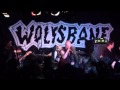
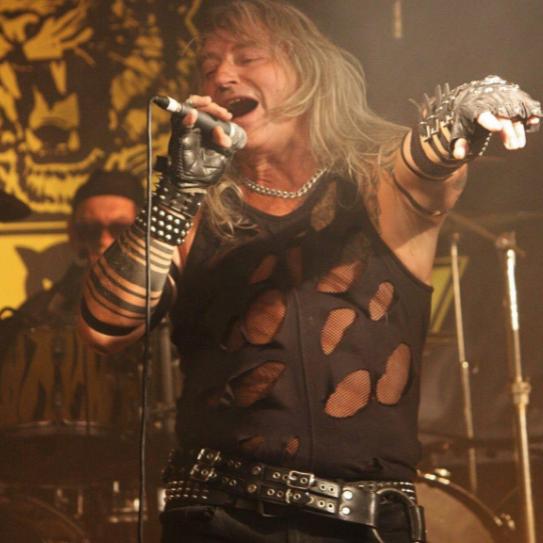
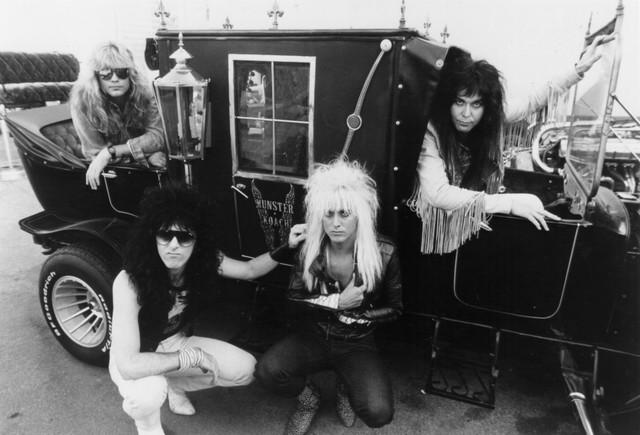
Wolfsbane’s Spotify BioAs heavy metal was enjoying its late-'80s commercial heyday in America, England (which had kicked off metal's gradual march towards mainstream acceptance at the onset of the decade with the New Wave of British Heavy Metal) was actually spawning a number of young commercial metal bands (the Almighty, the Wildhearts, etc.) to compete with their neighbors across the pond. Among the most promising of these was Tamworth's Wolfsbane, who, with their explosive mix of Iron Maiden's heaviness and Van Halen's party attitude, became the first English band to sign with Rick Rubin's highly respected Def American label. But their albums never managed to capture the power of their stage set, and the band ground to a halt after only a few turbulent years. In fact, they are now probably best remembered for providing metal legends Iron Maiden with vocalist Blaze Bailey.
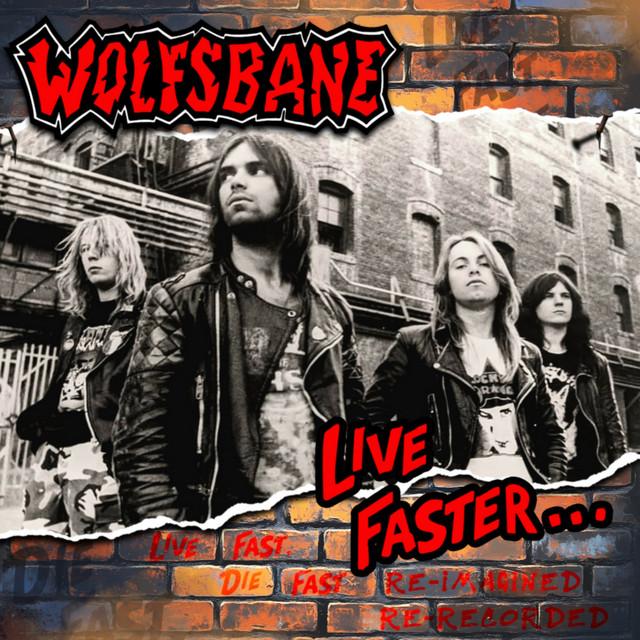
Wolfsbane were formed in Tamworth, England, by singer Blaze Bailey, guitarist Jase Edwards, bassist Jeff Hateley and drummer Steve… 'Danger' Ellet around 1986. After a few years of cutting their teeth as a glammed-up hard rock band, they had developed into a fierce live unit, toughened up their sound, and replaced the hairspray and makeup for a rougher denim and leather image. This was enough to attract the attention of maverick producer Rick Rubin, who signed them to his Def American label in 1988. With Rubin at the helm, the group was soon recording their raucous 1989 debut, Live Fast, Die Fast, which made it into the U.K. Top 50 despite a strangely weak mix which didn't do the band's amazing concert energy any justice. Produced by Brendan O'Brien (later of Pearl Jam and Rage Against the Machine fame), 1990's All Hell's Breaking Loose Down at Little Kathy Wilson's Place E.P. set the record state and was the closest they ever came to remedying this problem. But while it too would chart in the U.K., Def American refused to even release it in the U.S. Things couldn't be better at home, however, as the band was chosen to open for Iron Maiden on their 1991 European tour. A solid second effort in 1991's aptly named Down Fall the Good Guys (again produced by O'Brien) followed, but no amount of media enthusiasm seemed capable of igniting Wolfsbane's sluggish record sales, and Def American eventually dropped the band in late 1992.
Trying to keep their collective chin up, the group quickly signed with Bronze Records and booked a one-night stand at London's Marquee Club to be recorded for a future live release. The resulting Massive Noise Injection appeared in June 1993 and was followed six months later by another studio album, simply entitled Wolfsbane. But even before its release, there were rumblings that singer Blaze Bailey had been tapped to join Iron Maiden as Bruce Dickinson's replacement. The rumors were soon confirmed as fact, and by the time of its release in February, the album was a moot point. Wolfsbane broke up immediately. ~ Eduardo Rivadavia, Rovi
Viberate is a music analytics platform built for A&Rs, artist managers, labels, booking agents, marketers, and artists.
It helps music professionals track artist growth, analyze audience data, monitor playlist activity, compare artists, follow song performance, and identify opportunities across the music market.
Public artist pages provide a free preview of selected artist data. Paid plans provide access to deeper analytics, historical data, charts, comparisons, playlist tools, exports, alerts, reports, and additional professional features.
Yes. Public Viberate artist pages provide selected artist analytics and music data for free.
Viberate also offers a 7-day free trial of the full platform. A credit card is required to start the trial. The trial includes access to the complete product so users can test deeper artist analytics, historical views, playlist insights, comparisons, charts, exports, alerts, and reporting features before choosing a paid plan.
Viberate provides artist analytics across streaming, playlists, social media, video, radio airplay, songs, and audience markets.
Users can analyze Spotify performance, Spotify and Apple Music playlists, YouTube activity, TikTok and Instagram growth, radio spins, song performance, audience locations, demographics, rankings, and overall artist momentum.
Artist profiles also connect to music charts, similar artists, and comparison tools, helping users benchmark performance and evaluate artists in context.
Viberate updates key artist and track data daily.
For followed artists and tracks, selected data is refreshed multiple times per day. This helps teams monitor playlist changes, streaming movement, audience growth, releases, and campaign performance with more current data.
Update frequency can vary depending on the metric and data source.
Yes. Viberate lets users compare up to five artists side by side across streaming, social media, audience, and engagement metrics.
Users can compare fanbase growth, audience demographics, locations, Spotify performance, social metrics, and other artist data over selected time periods.
Artist comparison can be used for A&R scouting, benchmarking, booking decisions, campaign planning, and evaluating artists with similar audiences or market positions.