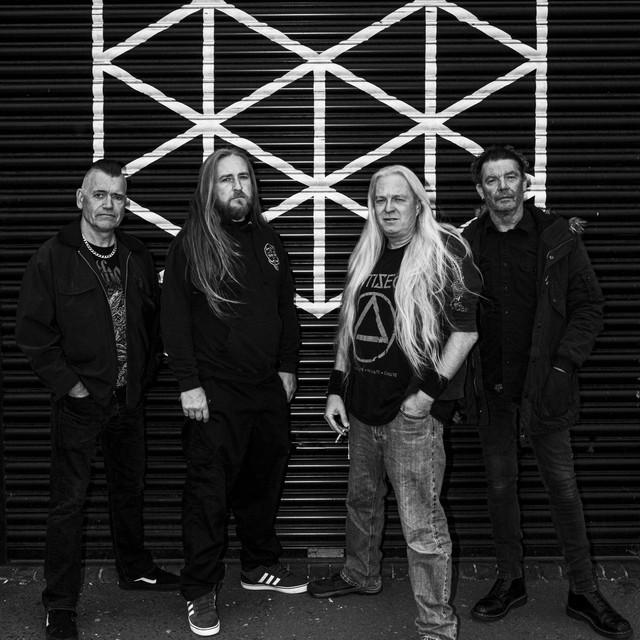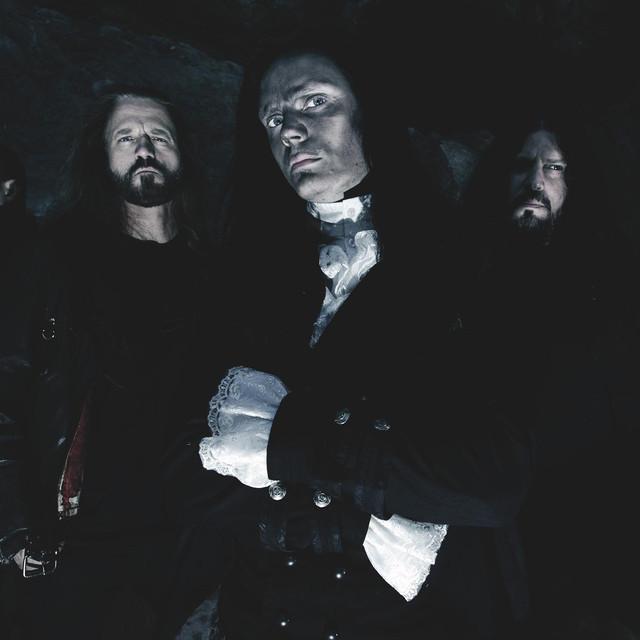
Witchery

Metal
Thrash Metal
Speed Metal
Black Metal
 Viberate Rank: 152320
 Viberate Rank: 152320
 Monthly ListenersFollowers
 Subscribers
 Followers
 Followers
 FansTop Spotify Songs
| Track | 7-Day Streams | |
|---|---|---|
1 | 844 | |
2 | 808 | |
3 | 715 | |
4 | 419 | |
5 | 312 |
Top YouTube VideosMonthly ListenersFeatured in Playlists| Playlist | Followers | |
|---|---|---|
1 |  Black Metal Top Tracks Playlistic | 34.01K |
2 |  Black Metal ✞⛧ Century Media Records | 21.13K |
3 | Metal🤘🏻 Naydil González | 16.45K |
4 |  TESTOSTERONA RADIO Eduardo Mendes | 7.81K |
5 | Thrash Metal Up Your Ass Germonio | 6.86K |
Audience| City | Monthly Listeners | |
|---|---|---|
1 |  | 200 |
2 |  | 190 |
3 | | 157 |
4 |  | 135 |
5 | | 125 |
See full performance history, audience data, playlist activity, rankings, comparisons, and more in Viberate music analytics. Start with a free trial, then continue with a paid plan.
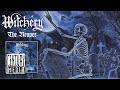
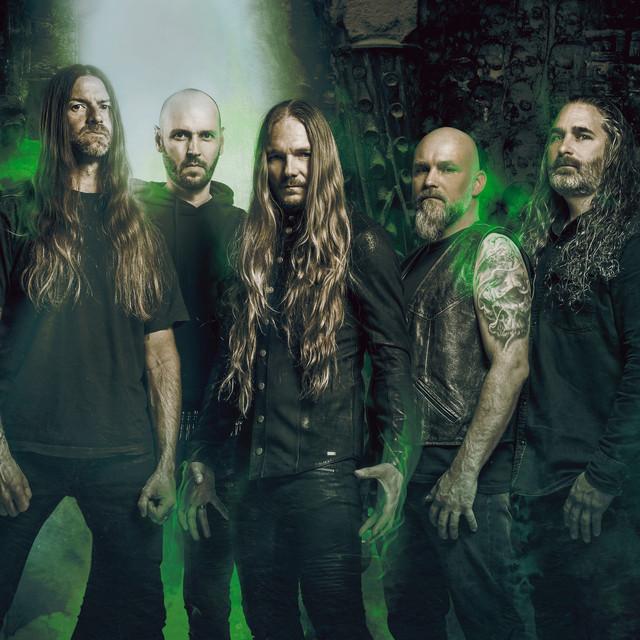
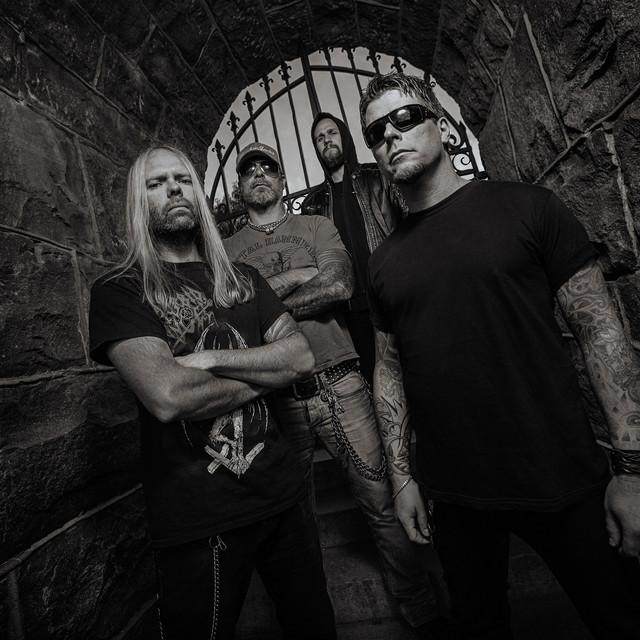
Witchery’s Spotify BioSweden's Witchery was born in 1997 after Satanic Slaughter founder Ztephan Dark decided to fire his band, which then consisted of guitarists Patrik Jensen (of Seance and the Haunted) and Richard Corpse, vocalist Toxine, and drummer Mique. The four of them recruited bassist Sharlee D' Angelo of Mercyful Fate and immediately released Witchery's first album, Restless and Dead. Witchery's riff-heavy style, hailing back to the melodic metal of the '80s, was well-received by both critics and fans. The combination of Patrik Jensen, known mainly for his work with the Haunted, and Mercyful Fate bassist Sharlee D' Angelo established Witchery as a black/death metal supergroup.
Their second release, 1999's Witchburner EP, found the band paying tribute to the groups that have influenced their sound with covers by W.A.S.P., Judas Priest, Accept, and Black Sabbath, along with three originals. Dead, Hot, and Ready followed shortly thereafter, becoming their third release in less than a year's time.… 2006's Don't Fear the Reaper marked the band's debut for Century Media Records, and featured a cover of Satanic Slaughter's "Immortal Death." Witchkrieg dropped in 2010, with In His Infernal Majesty's Service, the band's sixth studio long-player, arriving in 2016. A year later, they returned with the ful-length I Am Legion, featuring the single "True North." ~ Kevin Odle
Viberate is a music analytics platform built for A&Rs, artist managers, labels, booking agents, marketers, and artists.
It helps music professionals track artist growth, analyze audience data, monitor playlist activity, compare artists, follow song performance, and identify opportunities across the music market.
Public artist pages provide a free preview of selected artist data. Paid plans provide access to deeper analytics, historical data, charts, comparisons, playlist tools, exports, alerts, reports, and additional professional features.
Yes. Public Viberate artist pages provide selected artist analytics and music data for free.
Viberate also offers a 7-day free trial of the full platform. A credit card is required to start the trial. The trial includes access to the complete product so users can test deeper artist analytics, historical views, playlist insights, comparisons, charts, exports, alerts, and reporting features before choosing a paid plan.
Viberate provides artist analytics across streaming, playlists, social media, video, radio airplay, songs, and audience markets.
Users can analyze Spotify performance, Spotify and Apple Music playlists, YouTube activity, TikTok and Instagram growth, radio spins, song performance, audience locations, demographics, rankings, and overall artist momentum.
Artist profiles also connect to music charts, similar artists, and comparison tools, helping users benchmark performance and evaluate artists in context.
Viberate updates key artist and track data daily.
For followed artists and tracks, selected data is refreshed multiple times per day. This helps teams monitor playlist changes, streaming movement, audience growth, releases, and campaign performance with more current data.
Update frequency can vary depending on the metric and data source.
Yes. Viberate lets users compare up to five artists side by side across streaming, social media, audience, and engagement metrics.
Users can compare fanbase growth, audience demographics, locations, Spotify performance, social metrics, and other artist data over selected time periods.
Artist comparison can be used for A&R scouting, benchmarking, booking decisions, campaign planning, and evaluating artists with similar audiences or market positions.