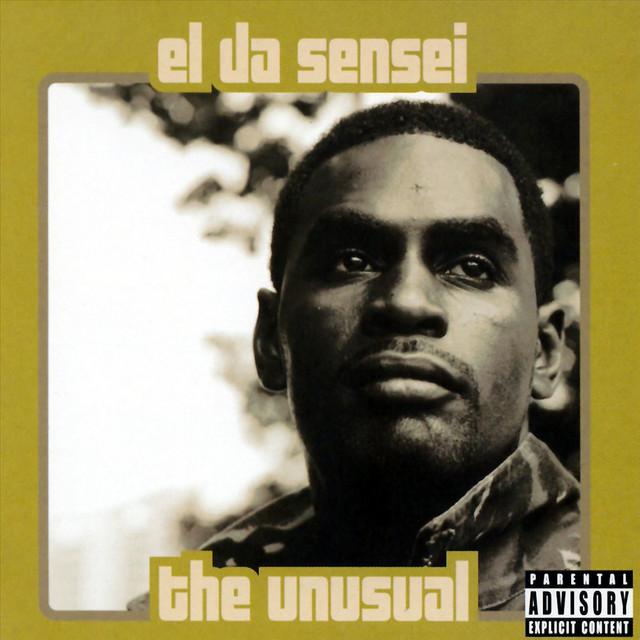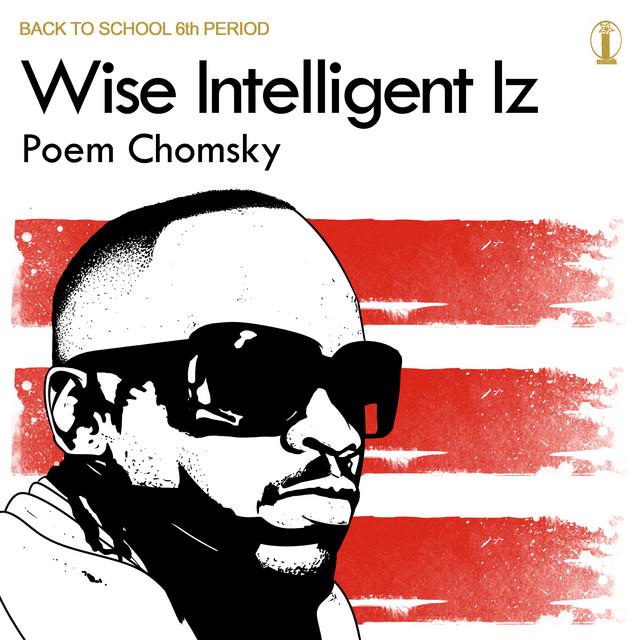
Wise Intelligent

Hip Hop
Contemporary Hip Hop
Underground Hip Hop
 Viberate Rank: 141936
 Viberate Rank: 141936
 Monthly ListenersFollowers
 Subscribers
 Followers
 Followers
 FansTop Spotify Songs
| Track | 7-Day Streams | |
|---|---|---|
1 | 3.31K | |
2 | 286 | |
3 | 236 | |
4 | 199 | |
5 | 97 |
Top YouTube VideosMonthly ListenersFeatured in Playlists| Playlist | Followers | |
|---|---|---|
1 |  WRMFZY BEATS wrmfzy | 18.79K |
2 | The Best Underground Hip Hop by Trustyles Joel Hernandez Ramos | 12.98K |
3 | Hip-Hop / Old School Rap Dylan Sullivan | 9.10K |
4 |  Classic Hip Hop / 80s / 90s / 00s Rhodri Price | 8.51K |
5 |  BMX Tommy Stormo | 8.41K |
Audience| City | Monthly Listeners | |
|---|---|---|
1 |  | 151 |
2 | | 139 |
3 |  | 138 |
4 | | 105 |
5 | | 99 |
See full performance history, audience data, playlist activity, rankings, comparisons, and more in Viberate music analytics. Start with a free trial, then continue with a paid plan.
Wise Intelligent’s Spotify BioWise Intelligent was the lead MC for golden age hip-hop group Poor Righteous Teachers, a Trenton, New Jersey-based trio well-versed in Five Percent Nation ideology. The exposure of their jazz-driven hip-hop was not on the scale of Brand Nubian or A Tribe Called Quest, but PRT did have an equally great influence on the new generation of alternative rappers that cropped up in the late '90s and early 2000s. Wise Intelligent's own pro-Black politics were fueled by his dire upbringing in Trenton, where he and his nine siblings spent a lot of time in and out of homeless shelters. He and Culture Freedom grew up together in Trenton and would later meet DJ/producer Father Shaheed to form PRT around 1989. After 1996's New World Order, PRT pretty much disappeared off the map, although Wise Intelligent did issue his first solo album, Killin' U for Fun, that same year. Not coincidentally, many of the hip-hop acts from that era were being pushed into the underground and independent rap scenes around… that time, as rap music began to go more commercial and dominate the pop charts. In 2000, Wise Intelligent founded his own company, Intelligent Muzik, which also established youth and community programs in his Trenton hometown. A few years afterward, he reappeared on the underground circuit with his politically charged rhymes, ready to spark a new socially conscious rap movement. Intended as part of a seven-album Back to School series, The Talented Timothy Taylor was his first effort, released in July 2007. ~ Cyril Cordor, Rovi
Viberate is a music analytics platform built for A&Rs, artist managers, labels, booking agents, marketers, and artists.
It helps music professionals track artist growth, analyze audience data, monitor playlist activity, compare artists, follow song performance, and identify opportunities across the music market.
Public artist pages provide a free preview of selected artist data. Paid plans provide access to deeper analytics, historical data, charts, comparisons, playlist tools, exports, alerts, reports, and additional professional features.
Yes. Public Viberate artist pages provide selected artist analytics and music data for free.
Viberate also offers a 7-day free trial of the full platform. A credit card is required to start the trial. The trial includes access to the complete product so users can test deeper artist analytics, historical views, playlist insights, comparisons, charts, exports, alerts, and reporting features before choosing a paid plan.
Viberate provides artist analytics across streaming, playlists, social media, video, radio airplay, songs, and audience markets.
Users can analyze Spotify performance, Spotify and Apple Music playlists, YouTube activity, TikTok and Instagram growth, radio spins, song performance, audience locations, demographics, rankings, and overall artist momentum.
Artist profiles also connect to music charts, similar artists, and comparison tools, helping users benchmark performance and evaluate artists in context.
Viberate updates key artist and track data daily.
For followed artists and tracks, selected data is refreshed multiple times per day. This helps teams monitor playlist changes, streaming movement, audience growth, releases, and campaign performance with more current data.
Update frequency can vary depending on the metric and data source.
Yes. Viberate lets users compare up to five artists side by side across streaming, social media, audience, and engagement metrics.
Users can compare fanbase growth, audience demographics, locations, Spotify performance, social metrics, and other artist data over selected time periods.
Artist comparison can be used for A&R scouting, benchmarking, booking decisions, campaign planning, and evaluating artists with similar audiences or market positions.