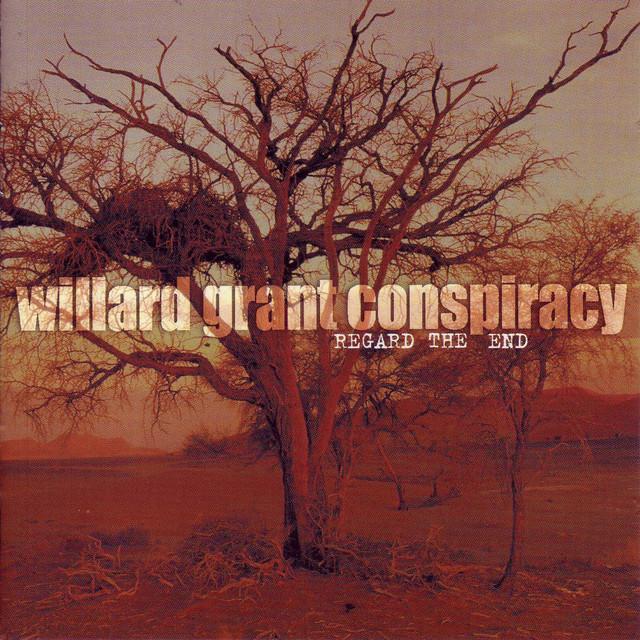
Willard Grant Conspiracy

Country
Americana/Alt Country
 Viberate Rank: 263700
 Viberate Rank: 263700
 Monthly ListenersFollowers
 Subscribers
 Followers
 Followers
 FansTop Spotify Songs
| Track | 7-Day Streams | |
|---|---|---|
1 | 364 | |
2 | 351 | |
3 | 300 | |
4 | 289 | |
5 | 225 |
Top YouTube VideosMonthly ListenersFeatured in Playlists| Playlist | Followers | |
|---|---|---|
1 |  Dark Americana / Country / Blues / Folk | Don's Tunes Don's Tunes | 15.58K |
2 |  Christmas 2025 #ForTheLoveOfMusic Bowers & Wilkins | 3.92K |
3 |  BBC 6 Music's Alternative Christmas BBC Music Playlists | 3.28K |
4 |  The Sound of Melancholia The Sounds of Spotify | 3.09K |
5 |  Joe Pera Core Connor Murphy | 3.04K |
Audience| City | Monthly Listeners | |
|---|---|---|
1 |  | 98 |
2 |  | 61 |
3 |  | 53 |
4 |  | 52 |
5 |  | 50 |
See full performance history, audience data, playlist activity, rankings, comparisons, and more in Viberate music analytics. Start with a free trial, then continue with a paid plan.
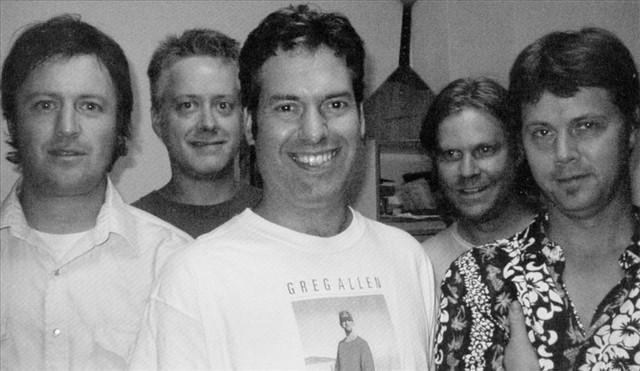
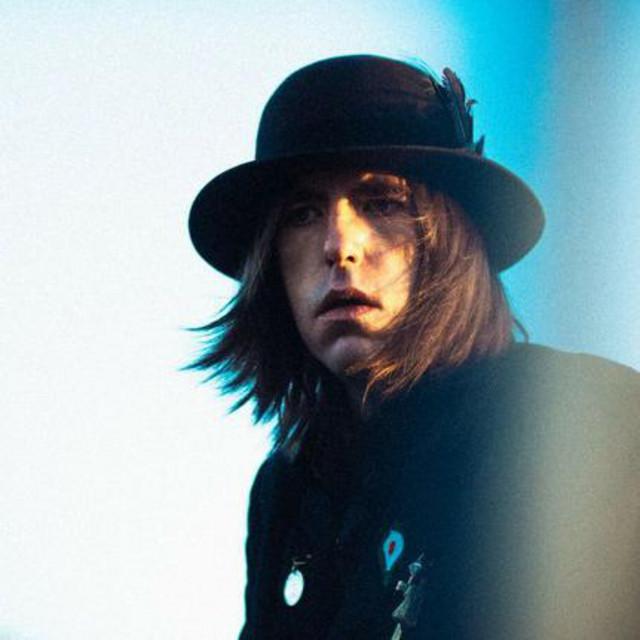
Willard Grant Conspiracy’s Spotify BioLoose-knit folk-noir confederation the Willard Grant Conspiracy was formed in Boston in 1995 by singer Robert Fisher and guitarist Paul Austin, longtime collaborators who previously teamed in the noise-rock outfit the Flower Tamers. Asked to test-drive a friend's new home recording studio, the duo recruited guitarist Sean O'Brien and within days completed work on the debut Willard Grant Conspiracy record, 3 AM Sunday at Fortune Otto's, issued on Fisher's own Dahlia Records imprint in 1996. From there the group evolved into an ever-changing collective of some 20 local musicians, gathering in various numbers each week for informal jam sessions; guitarist James Apt, violist David Michael Curry, mandolinist Erich Groat and bassist Matt Griffin joined the core trio of Fisher, Austin and O'Brien to record the WGC's 1998 Rykodisc/Slow River debut, Flying Low. The live Weevils in the Captain's Biscuit and the demo collection Radio Free WGC preceded the 1999 release of the superb Mojave.… Everything's Fine surfaced two years later. ~ Jason Ankeny, Rovi
Viberate is a music analytics platform built for A&Rs, artist managers, labels, booking agents, marketers, and artists.
It helps music professionals track artist growth, analyze audience data, monitor playlist activity, compare artists, follow song performance, and identify opportunities across the music market.
Public artist pages provide a free preview of selected artist data. Paid plans provide access to deeper analytics, historical data, charts, comparisons, playlist tools, exports, alerts, reports, and additional professional features.
Yes. Public Viberate artist pages provide selected artist analytics and music data for free.
Viberate also offers a 7-day free trial of the full platform. A credit card is required to start the trial. The trial includes access to the complete product so users can test deeper artist analytics, historical views, playlist insights, comparisons, charts, exports, alerts, and reporting features before choosing a paid plan.
Viberate provides artist analytics across streaming, playlists, social media, video, radio airplay, songs, and audience markets.
Users can analyze Spotify performance, Spotify and Apple Music playlists, YouTube activity, TikTok and Instagram growth, radio spins, song performance, audience locations, demographics, rankings, and overall artist momentum.
Artist profiles also connect to music charts, similar artists, and comparison tools, helping users benchmark performance and evaluate artists in context.
Viberate updates key artist and track data daily.
For followed artists and tracks, selected data is refreshed multiple times per day. This helps teams monitor playlist changes, streaming movement, audience growth, releases, and campaign performance with more current data.
Update frequency can vary depending on the metric and data source.
Yes. Viberate lets users compare up to five artists side by side across streaming, social media, audience, and engagement metrics.
Users can compare fanbase growth, audience demographics, locations, Spotify performance, social metrics, and other artist data over selected time periods.
Artist comparison can be used for A&R scouting, benchmarking, booking decisions, campaign planning, and evaluating artists with similar audiences or market positions.