Wild Palms

Pop
Indie Pop
Downtempo
Alternative Rock
 Viberate Rank: 442892
 Viberate Rank: 442892
 Monthly ListenersFollowers
 Subscribers
 Followers
 Followers
 FansTop Spotify Songs
| Track | 7-Day Streams | |
|---|---|---|
1 | 54 | |
2 | 36 | |
3 | 26 | |
4 | 16 | |
5 | 11 |
Top YouTube VideosMonthly ListenersFeatured in Playlists| Playlist | Followers | |
|---|---|---|
1 | While You Work (@whileyouwork) Eli Feghali | 81.75K |
2 |  Radio Nova : Playlist 2019 Fabien Barrau | 5.48K |
3 | nova tunes 1 jars_ki | 5.01K |
4 | NOVA Grégoire Bucaille | 4.66K |
5 | Ambiance radio NOVA/FIP Marianne Svay | 4.05K |
Audience| City | Monthly Listeners | |
|---|---|---|
1 |  | 14 |
2 |  | 9 |
3 | | 9 |
4 |  | 5 |
5 |  | 5 |
See full performance history, audience data, playlist activity, rankings, comparisons, and more in Viberate music analytics. Start with a free trial, then continue with a paid plan.
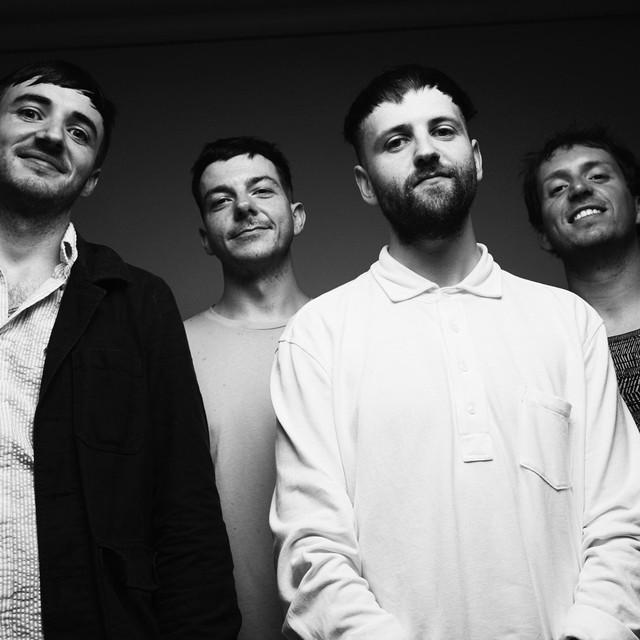
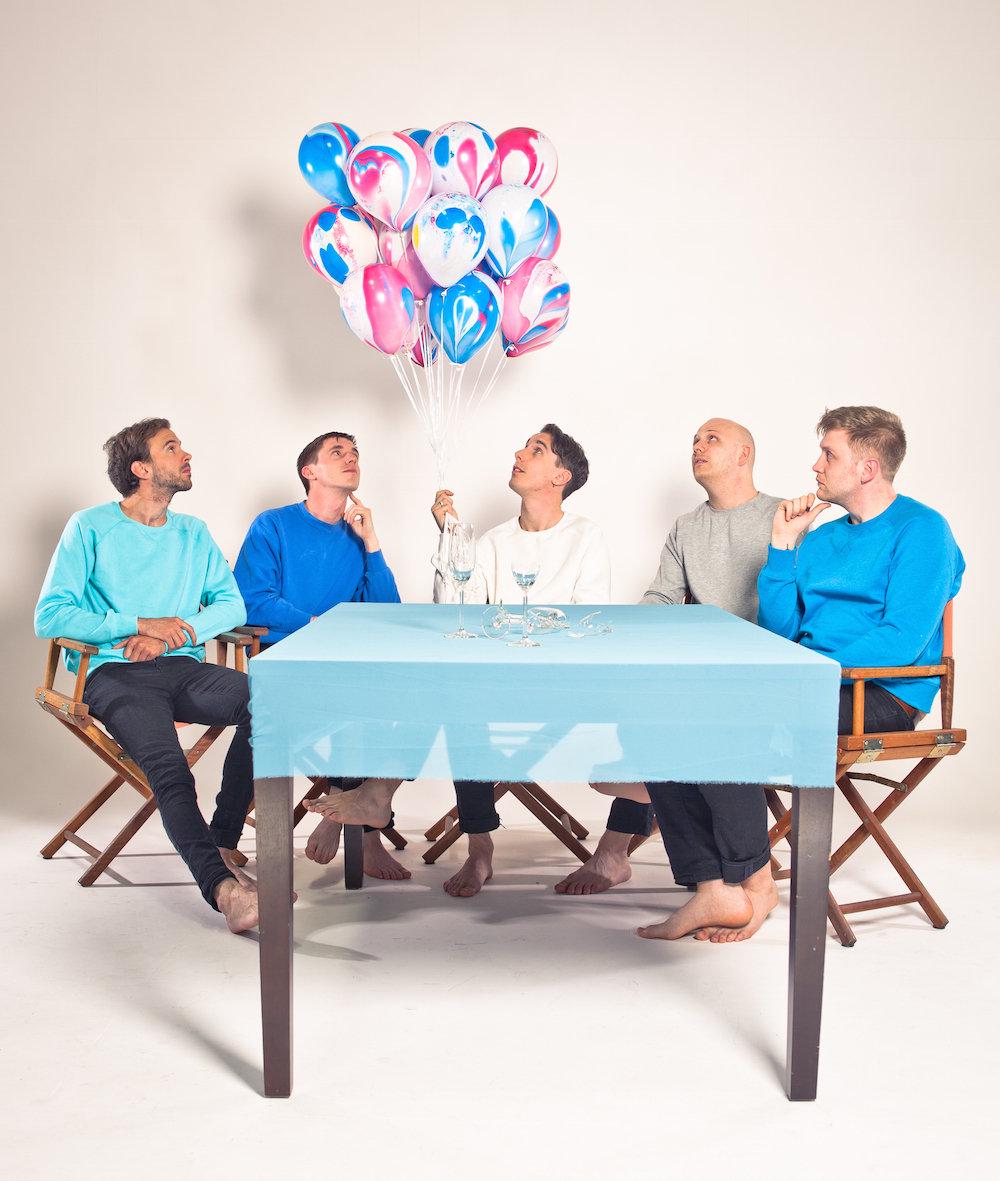
Wild Palms’ Spotify BioNorth London school friends Lou Hill, Gareth Jones, and James Parish originally got together as a fledgling band before heading off to university to complete their studies. While at Brighton University, vocalist Lou Hill met Darrell Hawkins, who joined the three-piece on guitar. After gigging under the name Ex-Lion Tamers for a brief time, the four-piece headed back to London to focus on music. Changing their name to Wild Palms in 2009, the band released their debut single Over Time. Snapped up by One Little Indian in 2010, the post-punk-referencing singles Deep Dive and To the Lighthouse preceded the release of their debut album, which followed the next year. Produced by Gareth Jones (Erasure, Wire, Depeche Mode), Until Spring shifted away from the post-punk tag the band had been saddled with, instead opting for a lushly produced, more expansive indie rock sound. Touring the album for the rest of 2011 -- with extra guitarist Bobby Krlic (the Haxan Cloak) -- the band started writing… new material and testing new ideas, eventually scrapping everything and starting over. Locking themselves away from current trends and outside influences, Wild Palms spent the next few years recording what would become their sophomore album. Drawing inspiration from the likes of Silver Apples, Madlib, and Portishead, the record, Live Together, Eat Each Other, was slated for a mid-2016 release. ~ Rich Wilson, Rovi
Viberate is a music analytics platform built for A&Rs, artist managers, labels, booking agents, marketers, and artists.
It helps music professionals track artist growth, analyze audience data, monitor playlist activity, compare artists, follow song performance, and identify opportunities across the music market.
Public artist pages provide a free preview of selected artist data. Paid plans provide access to deeper analytics, historical data, charts, comparisons, playlist tools, exports, alerts, reports, and additional professional features.
Yes. Public Viberate artist pages provide selected artist analytics and music data for free.
Viberate also offers a 7-day free trial of the full platform. A credit card is required to start the trial. The trial includes access to the complete product so users can test deeper artist analytics, historical views, playlist insights, comparisons, charts, exports, alerts, and reporting features before choosing a paid plan.
Viberate provides artist analytics across streaming, playlists, social media, video, radio airplay, songs, and audience markets.
Users can analyze Spotify performance, Spotify and Apple Music playlists, YouTube activity, TikTok and Instagram growth, radio spins, song performance, audience locations, demographics, rankings, and overall artist momentum.
Artist profiles also connect to music charts, similar artists, and comparison tools, helping users benchmark performance and evaluate artists in context.
Viberate updates key artist and track data daily.
For followed artists and tracks, selected data is refreshed multiple times per day. This helps teams monitor playlist changes, streaming movement, audience growth, releases, and campaign performance with more current data.
Update frequency can vary depending on the metric and data source.
Yes. Viberate lets users compare up to five artists side by side across streaming, social media, audience, and engagement metrics.
Users can compare fanbase growth, audience demographics, locations, Spotify performance, social metrics, and other artist data over selected time periods.
Artist comparison can be used for A&R scouting, benchmarking, booking decisions, campaign planning, and evaluating artists with similar audiences or market positions.