Wild Bill Davis

Jazz
Smooth Jazz
Bebop
 Viberate Rank: 380293
 Viberate Rank: 380293
 Monthly ListenersFollowers
 Subscribers
 Followers
 Followers
 FansTop Spotify Songs
| Track | 7-Day Streams | |
|---|---|---|
1 | 185 | |
2 | 185 | |
3 | 96 | |
4 | 86 | |
5 | 69 |
Top YouTube VideosMonthly ListenersFeatured in Playlists| Playlist | Followers | |
|---|---|---|
1 |  Haruki Murakami's vinyl collection Masamaro | 109.94K |
2 |  🦋❤️🏍INSPO$ MOTOMAMI🏍❤️🦋 ROSALÍA | 66.21K |
3 | 1 noche de diabluras ROSALÍA | 23.38K |
4 | ALGUNOS DE MIS ÍDOLOS ROSALÍA | 21.33K |
5 | jazz,funk,soul,blues,afrobeat,latin İlker Özalp | 11.48K |
Audience| City | Monthly Listeners | |
|---|---|---|
1 |  | 43 |
2 | | 35 |
3 | | 31 |
4 |  | 28 |
5 | | 22 |
See full performance history, audience data, playlist activity, rankings, comparisons, and more in Viberate music analytics. Start with a free trial, then continue with a paid plan.
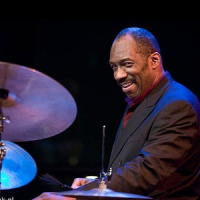
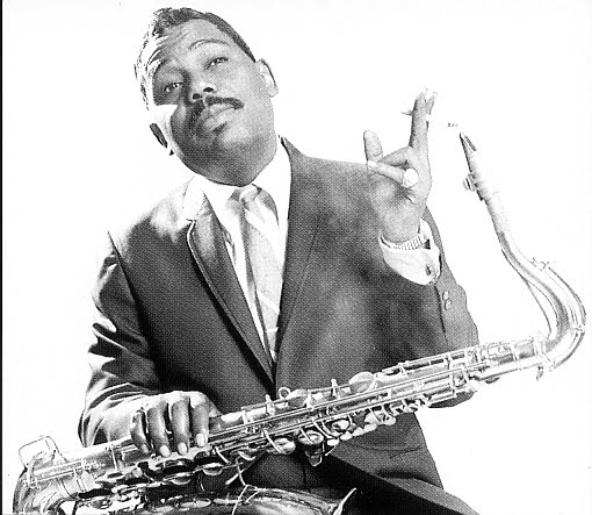
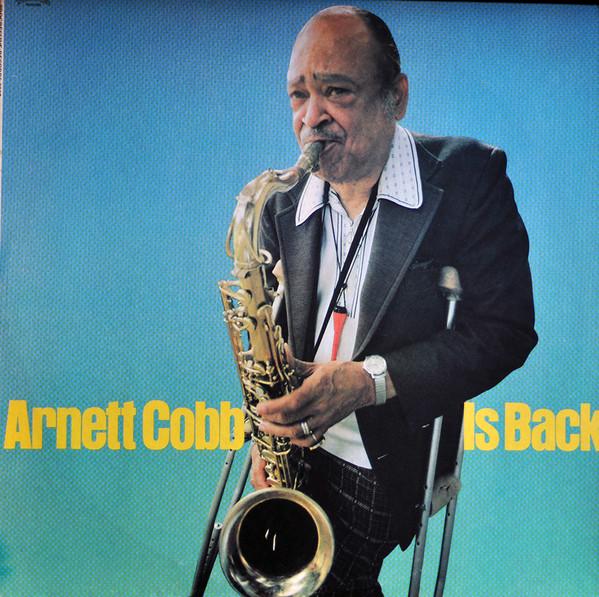
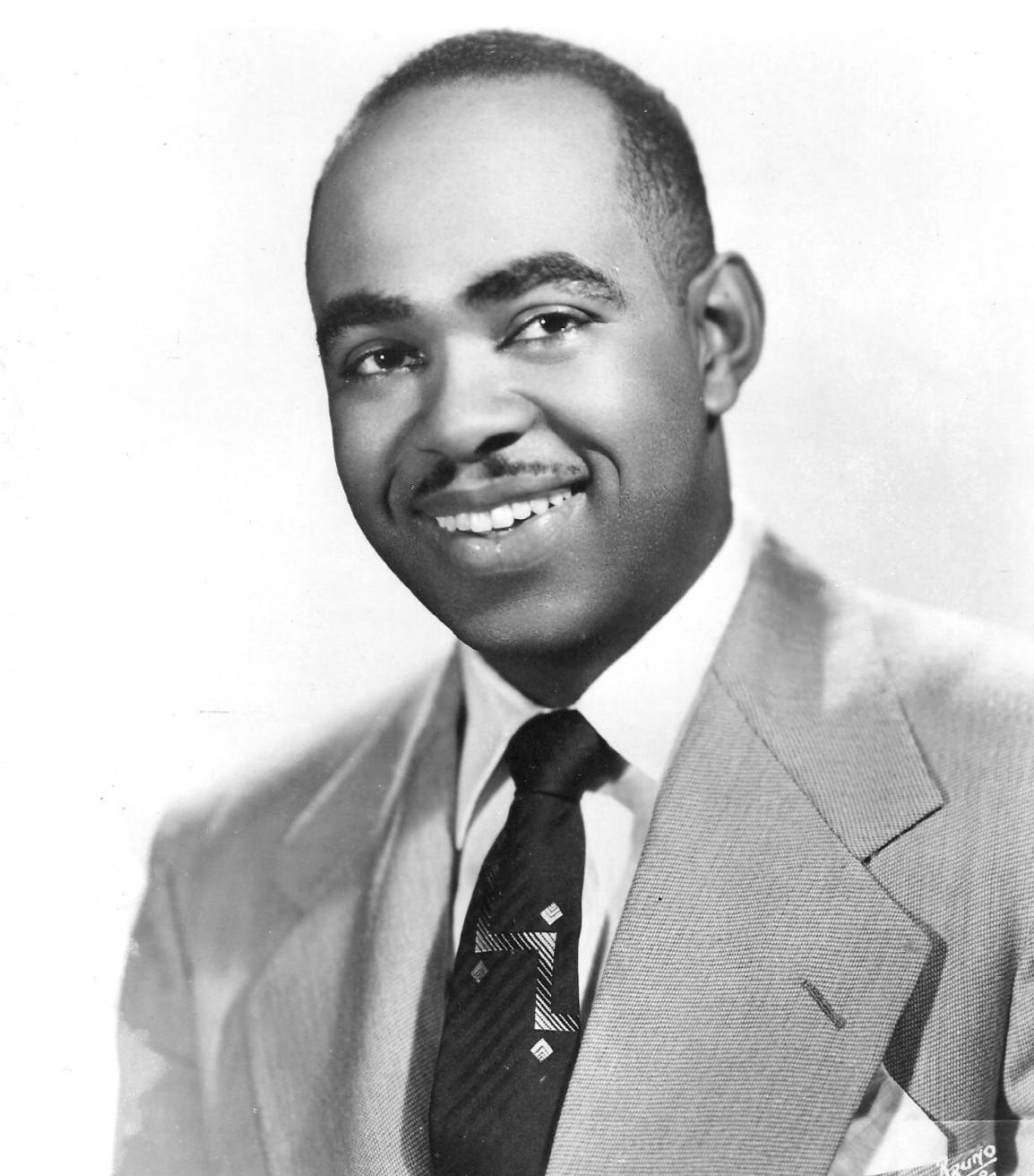
Wild Bill Davis’ Spotify BioWith the dynamic, swirling sounds of his Hammond B-3 organ, Wild Bill Davis provided a bridge from the big band swing of the 1930s and '40s to the organ-driven R&B of the 1950s and early '60s. Together with guitarist Floyd Smith and drummer Chris Columbus, Davis set the framework for the jazz organ combo sound. Initially a guitarist, Davis made his debut with Milt Larkin's band in 1939. The group is remembered for the double-saxophone attack of Eddie "Cleanhead" Vinson and Arnett Cobb. Davis, who was inspired by the guitar playing of Freddie Green, remained with the band until 1942. Moving to the piano, Davis joined Louis Jordan & His Tympany 5 in 1945. By then, he had already attracted attention as a skilled writer and arranger. He later furnished original material and arrangements for both Duke Ellington and Count Basie. He was scheduled to record his arrangement of "April in Paris" with the Count Basie Orchestra in 1955, but was unable to make it to the recording sessions. Recorded… without his participation, the tune went on to be a Top 30 pop hit. Intrigued by the organ playing of Fats Waller and Count Basie, Davis began to experiment with the Hammond B-3. He soon developed his unique approach. "I thought of (the organ) as a replacement in clubs for a big band," he said during a late-'80s interview. Although he left Jordan's band after five years to form his own trio, Davis periodically returned to play special engagements. Although eclipsed by succeeding jazz organists, including Jimmy Smith and Bill Doggett in the late '50s, and Booker T. Jones in the '60s, Davis remained active until his death from a heart attack in August 1995. His summer appearances in Atlantic City, New Jersey were an annual treat for almost three decades.
A native of Moorestown, New Jersey, Davis studied music at Tuskegee University and Wiley College in Texas. ~ Craig Harris, Rovi
Viberate is a music analytics platform built for A&Rs, artist managers, labels, booking agents, marketers, and artists.
It helps music professionals track artist growth, analyze audience data, monitor playlist activity, compare artists, follow song performance, and identify opportunities across the music market.
Public artist pages provide a free preview of selected artist data. Paid plans provide access to deeper analytics, historical data, charts, comparisons, playlist tools, exports, alerts, reports, and additional professional features.
Yes. Public Viberate artist pages provide selected artist analytics and music data for free.
Viberate also offers a 7-day free trial of the full platform. A credit card is required to start the trial. The trial includes access to the complete product so users can test deeper artist analytics, historical views, playlist insights, comparisons, charts, exports, alerts, and reporting features before choosing a paid plan.
Viberate provides artist analytics across streaming, playlists, social media, video, radio airplay, songs, and audience markets.
Users can analyze Spotify performance, Spotify and Apple Music playlists, YouTube activity, TikTok and Instagram growth, radio spins, song performance, audience locations, demographics, rankings, and overall artist momentum.
Artist profiles also connect to music charts, similar artists, and comparison tools, helping users benchmark performance and evaluate artists in context.
Viberate updates key artist and track data daily.
For followed artists and tracks, selected data is refreshed multiple times per day. This helps teams monitor playlist changes, streaming movement, audience growth, releases, and campaign performance with more current data.
Update frequency can vary depending on the metric and data source.
Yes. Viberate lets users compare up to five artists side by side across streaming, social media, audience, and engagement metrics.
Users can compare fanbase growth, audience demographics, locations, Spotify performance, social metrics, and other artist data over selected time periods.
Artist comparison can be used for A&R scouting, benchmarking, booking decisions, campaign planning, and evaluating artists with similar audiences or market positions.