Wiki

Hip Hop
Contemporary Hip Hop
Alternative Hip Hop
 Viberate Rank: 50264
 Viberate Rank: 50264
 Monthly ListenersFollowers
 Subscribers
 Followers
 Followers
 FansTop Spotify Songs
| Track | 7-Day Streams | |
|---|---|---|
1 | 39.93K | |
2 | 21.13K | |
3 | 11.55K | |
4 | 10.01K | |
5 | 8.68K |
Top YouTube VideosMonthly ListenersFeatured in Playlists| Playlist | Followers | |
|---|---|---|
1 |  COLORS - ALL SHOWS COLORSxSTUDIOS | 350.13K |
2 | EAFC & FIFA Soundtracks 94-27 Ross Hyland | 81.30K |
3 |  Yungcookgod’s Boombox Ivan Ooze | 43.04K |
4 | Denzel Curry Miro | 40.19K |
5 |  This Is Earl Sweatshirt Spotify | 36.28K |
Audience| City | Monthly Listeners | |
|---|---|---|
1 |  | 6.01K |
2 | | 5.71K |
3 | | 5.66K |
4 | | 4.79K |
5 | | 3.89K |
See full performance history, audience data, playlist activity, rankings, comparisons, and more in Viberate music analytics. Start with a free trial, then continue with a paid plan.
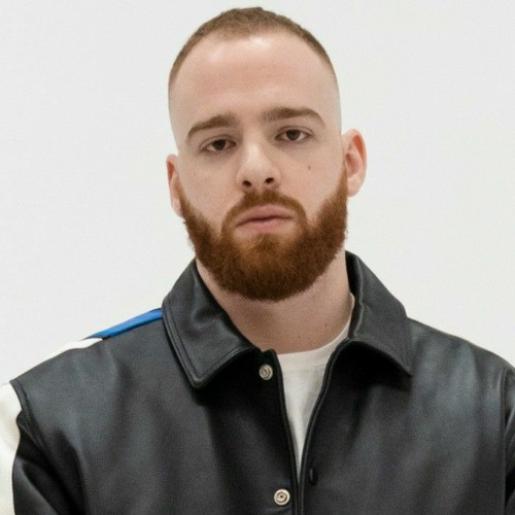
Wiki’s Spotify BioA little under a decade ago, So it Goes — the 2014 debut album by upstart Harlem hip-hop collective Ratking — opened with a young Wiki grousing about the uncertainties of (1) graduating high school, and (2) launching his music into a universe of unsuspecting ears. Though he’s evolved considerably since then, his work often falls along similar vindictive, me-against-infinity contours: as New York City has metamorphosed around him, he’s taken stock of his own rebirths, navigating a lifelong territory the way one might navigate a sentient maze. He represents the extension of an age-old New York hip-hop tradition — gritty, autobiographical poetry; a voice ripped from the bodega; a proclivity for ugly truths —but remains as wide-eyed as he was a decade ago, constantly in search of new codes to weigh against old ones. His taste for radical storytelling has implications beyond just New York hip-hop: on top of collaborating with Skepta, Ghostface Killah and Earl Sweatshirt, he’s also had a… hand in a number of fashion endeavors, including Tommy Hilfiger X Patta and Warrior Shanghai. After leaving XL Recordings, he founded his own imprint, Wikset Enterprise, through which he’s released solo records and ambitious joint projects — most recently with the likes of MIKE and the Alchemist. He’s in equal parts artist and sociologist,\ ingesting his universe and reporting his findings in compelling new ways.
Viberate is a music analytics platform built for A&Rs, artist managers, labels, booking agents, marketers, and artists.
It helps music professionals track artist growth, analyze audience data, monitor playlist activity, compare artists, follow song performance, and identify opportunities across the music market.
Public artist pages provide a free preview of selected artist data. Paid plans provide access to deeper analytics, historical data, charts, comparisons, playlist tools, exports, alerts, reports, and additional professional features.
Yes. Public Viberate artist pages provide selected artist analytics and music data for free.
Viberate also offers a 7-day free trial of the full platform. A credit card is required to start the trial. The trial includes access to the complete product so users can test deeper artist analytics, historical views, playlist insights, comparisons, charts, exports, alerts, and reporting features before choosing a paid plan.
Viberate provides artist analytics across streaming, playlists, social media, video, radio airplay, songs, and audience markets.
Users can analyze Spotify performance, Spotify and Apple Music playlists, YouTube activity, TikTok and Instagram growth, radio spins, song performance, audience locations, demographics, rankings, and overall artist momentum.
Artist profiles also connect to music charts, similar artists, and comparison tools, helping users benchmark performance and evaluate artists in context.
Viberate updates key artist and track data daily.
For followed artists and tracks, selected data is refreshed multiple times per day. This helps teams monitor playlist changes, streaming movement, audience growth, releases, and campaign performance with more current data.
Update frequency can vary depending on the metric and data source.
Yes. Viberate lets users compare up to five artists side by side across streaming, social media, audience, and engagement metrics.
Users can compare fanbase growth, audience demographics, locations, Spotify performance, social metrics, and other artist data over selected time periods.
Artist comparison can be used for A&R scouting, benchmarking, booking decisions, campaign planning, and evaluating artists with similar audiences or market positions.