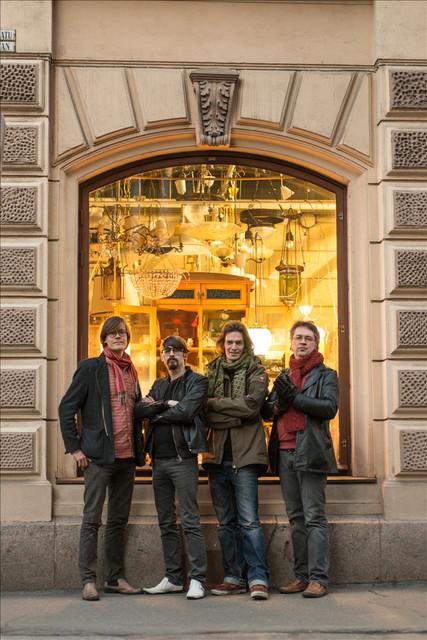
Wigwam

Rock
Indie Rock
Funk Rock
Alternative Rock
 Viberate Rank: 268197
 Viberate Rank: 268197
 Monthly ListenersFollowers
 Subscribers
 Followers
 Followers
 FansTop Spotify Songs
| Track | 7-Day Streams | |
|---|---|---|
1 | 1.02K | |
2 | 813 | |
3 | 804 | |
4 | 619 | |
5 | 530 |
Top YouTube VideosMonthly ListenersFeatured in Playlists| Playlist | Followers | |
|---|---|---|
1 |  The Sound of Everything The Sounds of Spotify | 53.83K |
2 |  Objectively Class Tunes The Rubberbandits | 14.79K |
3 |  70s Proto-Metal, Heavy Psych & Obscure Hard Rock Jordan Edrei | 11.27K |
4 |  Discovered Weekly eddershaw | 6.05K |
5 | Psychedelic 60s Acid Rock & Heavy Psychadelia byggavdelningen | 5.52K |
Audience| City | Monthly Listeners | |
|---|---|---|
1 | | 1.62K |
2 | | 265 |
3 | | 204 |
4 | | 114 |
5 | | 104 |
See full performance history, audience data, playlist activity, rankings, comparisons, and more in Viberate music analytics. Start with a free trial, then continue with a paid plan.
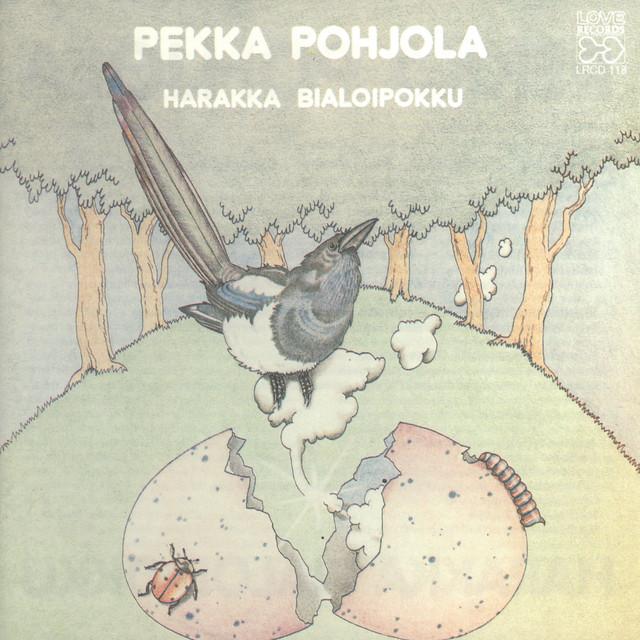
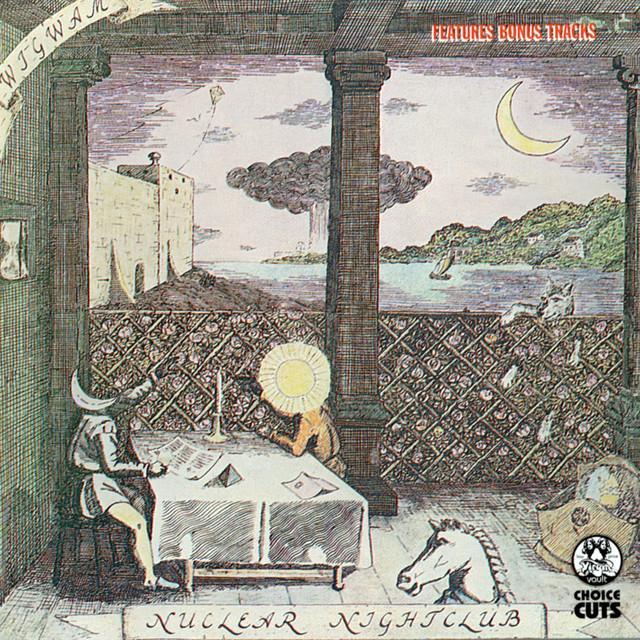
Wigwam’s Spotify BioWigwam had the rare distinction of being the only '70s band from Finland to have made any impact outside the country, as well as being an incubator for the country's top prog musicians -- the only catch was that the anticipated massive breakthrough never happened. The group came together in the late '60s, when drummer Ronnie Österberg, expat English singer/keyboard player Jim Pembroke, guitarist Nikke Nikamo, and bassist Mats Hulden, all of whom had been in Blues Section, decided to form a new band. They drafted in keyboardist Jukka Gustavson, and Wigwam was born. Their first album, 1969's Hard'n'Horny, had Gustavson's work on one side, Pembroke's on the other. For their second album, Tombstone Valentine, both Hulden and Nikamo had vanished, having experienced disputes with the producer, American scenester Kim Fowley. But the record did see the debut of virtuoso bass player Pekka Pohjola. While well received, it still didn't sell many copies, which was also true of their next disc,… Fairyport. Following that, both Pembroke and Pohjola made solo albums, leaving Gustavson to put together the next band effort, the dark and prog-ish Being, which won Album of the Year in Finland. But even awards couldn't keep Pohjola and Gustavson in the band, although before they left, they took part in the shows that made up 1975's Live Music From the Twilight Zone, a concert mix of solo material and covers of the Beatles and the Band. Following that, the band split briefly. The reformation brought plenty of new personnel and Pemboke as the central figure, Wigwam went on to enjoy their most successful period, releasing Nuclear Nightclub, which was licensed for international distribution by Virgin, who brought the band to England to tour -- at which point they also recorded their next disc, Lucky Golden Stripes and Starpose. Wigwam seemed on the verge of real success, but couldn't quite cross over, and when the follow-up, tentatively titled Daemon Duncetan's Request, was turned down by Virgin, the bottom seemed to fall out. The record was revamped and released in Finland in 1977 as Dark Album. But by the time it hit the shelves, Wigwam had played an unofficial farewell show and split for the second time. Pembroke moved to Kansas, and continued to record solo albums, and in 1993 the band regrouped to record Light Ages. Some live concerts followed, but before long the group quietly disbanded. Singer and keyboard player Jim Pembroke died on October 9, 2021 at the age of 75. ~ Chris Nickson, Rovi
Viberate is a music analytics platform built for A&Rs, artist managers, labels, booking agents, marketers, and artists.
It helps music professionals track artist growth, analyze audience data, monitor playlist activity, compare artists, follow song performance, and identify opportunities across the music market.
Public artist pages provide a free preview of selected artist data. Paid plans provide access to deeper analytics, historical data, charts, comparisons, playlist tools, exports, alerts, reports, and additional professional features.
Yes. Public Viberate artist pages provide selected artist analytics and music data for free.
Viberate also offers a 7-day free trial of the full platform. A credit card is required to start the trial. The trial includes access to the complete product so users can test deeper artist analytics, historical views, playlist insights, comparisons, charts, exports, alerts, and reporting features before choosing a paid plan.
Viberate provides artist analytics across streaming, playlists, social media, video, radio airplay, songs, and audience markets.
Users can analyze Spotify performance, Spotify and Apple Music playlists, YouTube activity, TikTok and Instagram growth, radio spins, song performance, audience locations, demographics, rankings, and overall artist momentum.
Artist profiles also connect to music charts, similar artists, and comparison tools, helping users benchmark performance and evaluate artists in context.
Viberate updates key artist and track data daily.
For followed artists and tracks, selected data is refreshed multiple times per day. This helps teams monitor playlist changes, streaming movement, audience growth, releases, and campaign performance with more current data.
Update frequency can vary depending on the metric and data source.
Yes. Viberate lets users compare up to five artists side by side across streaming, social media, audience, and engagement metrics.
Users can compare fanbase growth, audience demographics, locations, Spotify performance, social metrics, and other artist data over selected time periods.
Artist comparison can be used for A&R scouting, benchmarking, booking decisions, campaign planning, and evaluating artists with similar audiences or market positions.