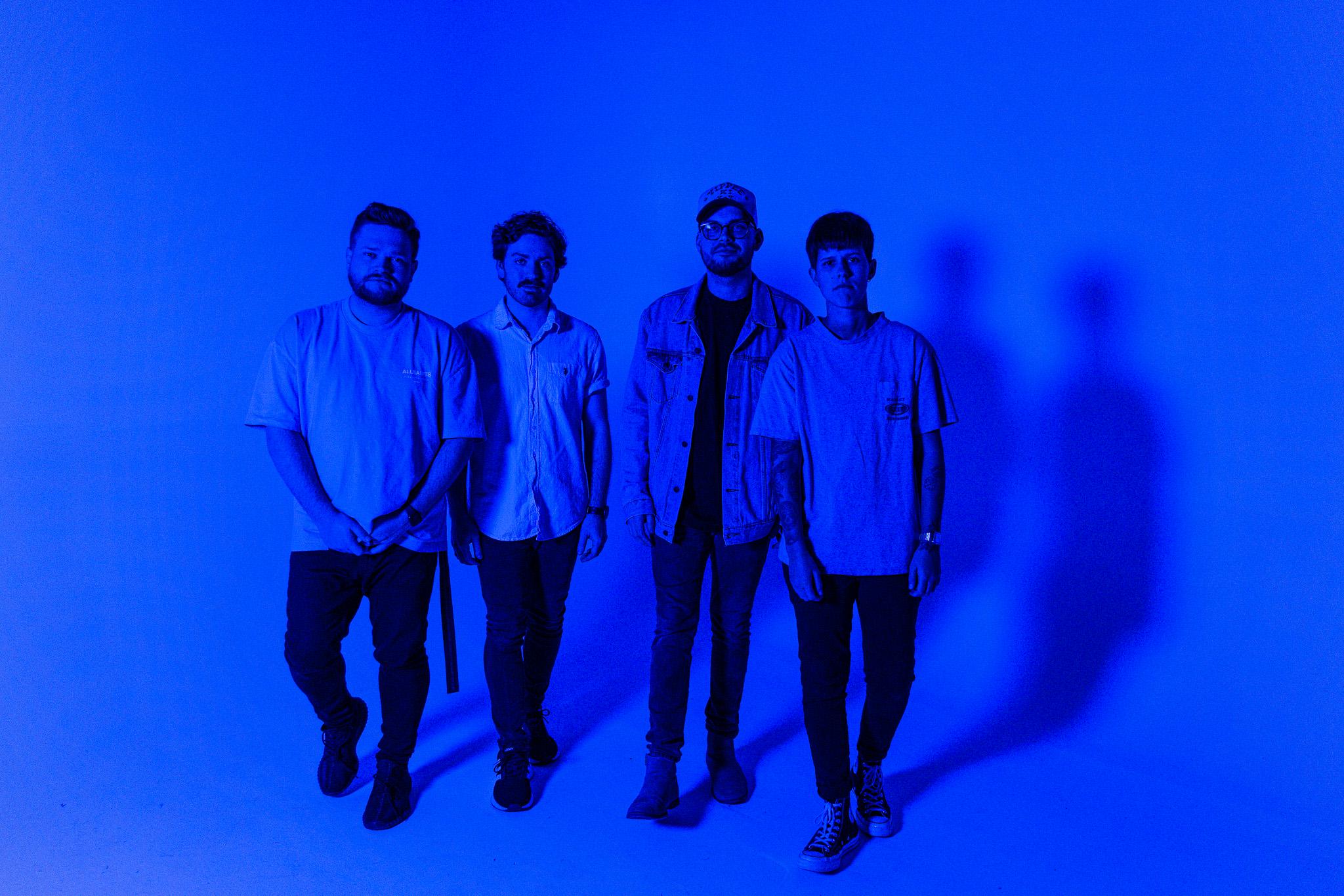
Whitsett


Punk
Pop Punk
Indie Rock
 Viberate Rank: 218864
 Viberate Rank: 218864
 Monthly ListenersFollowers
 Subscribers
 Followers
 Followers
 FansTop Spotify Songs
| Track | 7-Day Streams | |
|---|---|---|
1 | 1.34K | |
2 | 845 | |
3 | 603 | |
4 | 344 | |
5 | 259 |
Top YouTube Videos| Video | 7-Day Views | |
|---|---|---|
1 | 174 | |
2 | 104 | |
3 | 64 | |
4 | 42 | |
5 | 35 |
Monthly ListenersFeatured in Playlists| Playlist | Followers | |
|---|---|---|
1 |  GYM ROCK 2026 | WORKOUT MUSIC 💪🔥 Gym Rock | 442.51K |
2 |  70s 80s 90s Smash Hits Natalia | 148.27K |
3 |  Sad Boi Hours Spiid3r | 145.42K |
4 |  indie craft genres | 39.61K |
5 |  sad craft vibes | 26.32K |
Audience| City | Monthly Listeners | |
|---|---|---|
1 | | 170 |
2 | | 136 |
3 | | 122 |
4 | | 108 |
5 | | 106 |
See full performance history, audience data, playlist activity, rankings, comparisons, and more in Viberate music analytics. Start with a free trial, then continue with a paid plan.
Whitsett’s Spotify BioWhitsett is an emo band from Nashville pulling heavily from the early-2000s youth group emo era—big melodies, raw emotion, and songs that feel familiar in the best way. What started as nostalgia has turned into something that connects just as much with longtime emo fans as it does with people finding the scene for the first time.
The band is made up of Ryan Ward, Taylor Moser, Anthony Thigpen, Drew Smyser, and Corey Calvert. Their sound lives somewhere between throwback emo and modern alternative, built around loud guitars, honest lyrics, and live shows that feel more like a shared experience than a performance.
Whitsett has toured with bands like Mae, played festivals such as Furnace Fest and Alive Music Fest, and worked with artists from the scene including Emery and Aaron Gillespie.
On February 27, Whitsett returns with their new single “Call You Out By Name,” produced by Jason Lancaster. It’s the start of a new chapter and the most focused version of the band yet.
Viberate is a music analytics platform built for A&Rs, artist managers, labels, booking agents, marketers, and artists.
It helps music professionals track artist growth, analyze audience data, monitor playlist activity, compare artists, follow song performance, and identify opportunities across the music market.
Public artist pages provide a free preview of selected artist data. Paid plans provide access to deeper analytics, historical data, charts, comparisons, playlist tools, exports, alerts, reports, and additional professional features.
Yes. Public Viberate artist pages provide selected artist analytics and music data for free.
Viberate also offers a 7-day free trial of the full platform. A credit card is required to start the trial. The trial includes access to the complete product so users can test deeper artist analytics, historical views, playlist insights, comparisons, charts, exports, alerts, and reporting features before choosing a paid plan.
Viberate provides artist analytics across streaming, playlists, social media, video, radio airplay, songs, and audience markets.
Users can analyze Spotify performance, Spotify and Apple Music playlists, YouTube activity, TikTok and Instagram growth, radio spins, song performance, audience locations, demographics, rankings, and overall artist momentum.
Artist profiles also connect to music charts, similar artists, and comparison tools, helping users benchmark performance and evaluate artists in context.
Viberate updates key artist and track data daily.
For followed artists and tracks, selected data is refreshed multiple times per day. This helps teams monitor playlist changes, streaming movement, audience growth, releases, and campaign performance with more current data.
Update frequency can vary depending on the metric and data source.
Yes. Viberate lets users compare up to five artists side by side across streaming, social media, audience, and engagement metrics.
Users can compare fanbase growth, audience demographics, locations, Spotify performance, social metrics, and other artist data over selected time periods.
Artist comparison can be used for A&R scouting, benchmarking, booking decisions, campaign planning, and evaluating artists with similar audiences or market positions.