White Void

Rock
Hard Rock
 Viberate Rank: 458448
 Viberate Rank: 458448
 Monthly ListenersFollowers
 Subscribers
 Followers
 Followers
 FansTop Spotify Songs
| Track | 7-Day Streams | |
|---|---|---|
1 | 240 | |
2 | 153 | |
3 | 61 | |
4 | 38 | |
5 | 35 |
Top YouTube VideosMonthly ListenersFeatured in Playlists| Playlist | Followers | |
|---|---|---|
1 |  Black Metal Top Tracks Playlistic | 34.02K |
2 |  Gothy Dark Electro Dance Club Sin Fox | 6.20K |
3 |  Hifi audiophile - sound test Jakub Pavlík | 2.26K |
4 |  Depressive metal rock Radio Patrick Troust | 1.67K |
5 |  NORDIC BLACK METAL Úlfr Borgr Rauðeiriksson | 1.30K |
Audience| City | Monthly Listeners | |
|---|---|---|
1 |  | 12 |
2 | | 10 |
3 |  | 10 |
4 |  | 10 |
5 | | 9 |
See full performance history, audience data, playlist activity, rankings, comparisons, and more in Viberate music analytics. Start with a free trial, then continue with a paid plan.
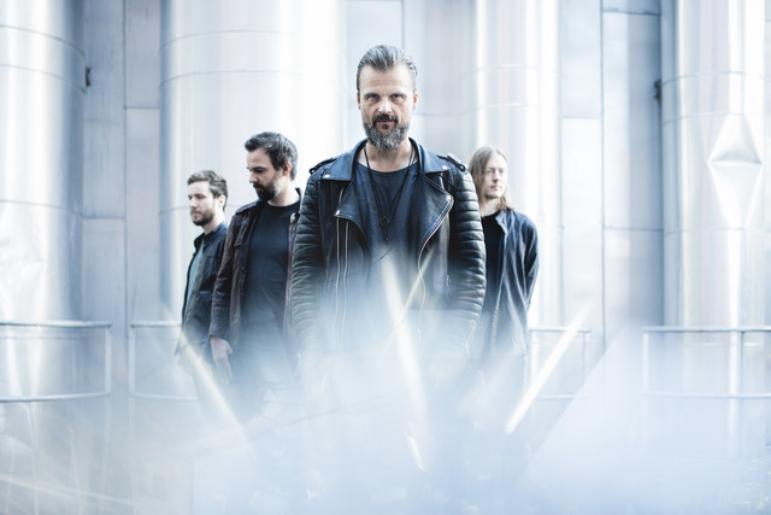
White Void’s Spotify BioEclectic hard rockers White Void are a curious bunch. Forged in the space between the occult rock of the seventies, the no-excuses-hard rock of the eighties and the British New Wave movement, they balance on the event horizon that separates old from new. Aggression from melody. Dream from drive.
Add to that the fact that the band members of White Void have their backgrounds in Norwegian black metal, chiptune electronica, pop music and blues, and you’ll see why their music is hard to pin down. It’s darkly melodic, it’s driven, and it’s infused with earworms, hooks and licks. Boasting a shameless attitude, though, it comes forth as deeply true to the core of our shared hard rock heritage.
In the center of White Void stands Lars Are Nedland, long time member of Borknagar and Solefald . Leading a team of musicians including Tobias Solbakk of Ihsahn fame, electronica staple Vegard Kummen and blues rock virtuoso Eivind Marum , he navigates the waters of hard rock riffs, new… wave harmonies and blues rock solos with determination and elegance.
Still, White Void probably don't sound like you think. It’s a band riddled with contrasts and references, musically as well as philosophically. The conceptual springboard is Albert Camus’ Absurdism, with lyrics dealing with how you cope with an existence that is in its core absurd. Musically the band draws on the past while forging towards the future. And the result? Well, enter the Void to find out!
Viberate is a music analytics platform built for A&Rs, artist managers, labels, booking agents, marketers, and artists.
It helps music professionals track artist growth, analyze audience data, monitor playlist activity, compare artists, follow song performance, and identify opportunities across the music market.
Public artist pages provide a free preview of selected artist data. Paid plans provide access to deeper analytics, historical data, charts, comparisons, playlist tools, exports, alerts, reports, and additional professional features.
Yes. Public Viberate artist pages provide selected artist analytics and music data for free.
Viberate also offers a 7-day free trial of the full platform. A credit card is required to start the trial. The trial includes access to the complete product so users can test deeper artist analytics, historical views, playlist insights, comparisons, charts, exports, alerts, and reporting features before choosing a paid plan.
Viberate provides artist analytics across streaming, playlists, social media, video, radio airplay, songs, and audience markets.
Users can analyze Spotify performance, Spotify and Apple Music playlists, YouTube activity, TikTok and Instagram growth, radio spins, song performance, audience locations, demographics, rankings, and overall artist momentum.
Artist profiles also connect to music charts, similar artists, and comparison tools, helping users benchmark performance and evaluate artists in context.
Viberate updates key artist and track data daily.
For followed artists and tracks, selected data is refreshed multiple times per day. This helps teams monitor playlist changes, streaming movement, audience growth, releases, and campaign performance with more current data.
Update frequency can vary depending on the metric and data source.
Yes. Viberate lets users compare up to five artists side by side across streaming, social media, audience, and engagement metrics.
Users can compare fanbase growth, audience demographics, locations, Spotify performance, social metrics, and other artist data over selected time periods.
Artist comparison can be used for A&R scouting, benchmarking, booking decisions, campaign planning, and evaluating artists with similar audiences or market positions.