White Rabbits

Rock
Indie Rock
Jazz Fusion
 Viberate Rank: 147172
 Viberate Rank: 147172
 Monthly ListenersFollowers
 Subscribers
 Followers
 Followers
 FansTop Spotify Songs
| Track | 7-Day Streams | |
|---|---|---|
1 | 10.77K | |
2 | 774 | |
3 | 616 | |
4 | 285 | |
5 | 184 |
Top YouTube VideosMonthly ListenersFeatured in Playlists| Playlist | Followers | |
|---|---|---|
1 |  2000s Alternative & Indie Rock PK | 30.30K |
2 |  Gossip girl (all songs) camila | 25.13K |
3 |  GOSSIP GIRL COMPLETE PLAYLIST maddie | 17.66K |
4 |  EAFC & FIFA Soundtracks Bart Dunweg | 15.77K |
5 |  BADDIE RADIO BaddieStreams | 13.66K |
Audience| City | Monthly Listeners | |
|---|---|---|
1 | | 478 |
2 | | 453 |
3 | | 383 |
4 |  | 369 |
5 |  | 330 |
See full performance history, audience data, playlist activity, rankings, comparisons, and more in Viberate music analytics. Start with a free trial, then continue with a paid plan.
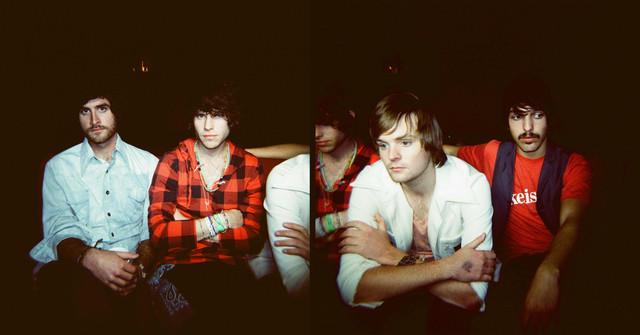
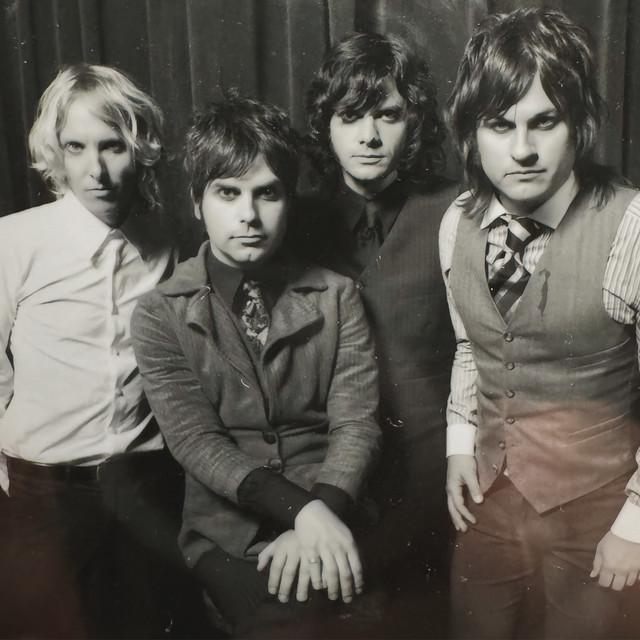
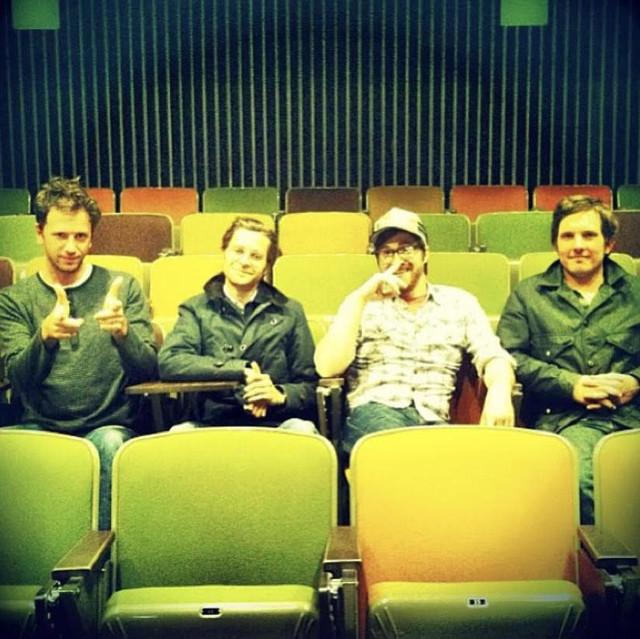
White Rabbits’ Spotify BioAt first, it's easy to mistake the White Rabbits for just another set of New York City dance-rock hipsters in the Clap Your Hands Say Yeah tradition, but a second look reveals a quirkier and more rewarding aesthetic. A sextet featuring two drummers and a piano player, the White Rabbits refer to their music as "honky tonk calypso," and their cheerful blend of calypso, reggae and ska rhythms, plus secondhand music hall influences and big pop hooks, strongly recalls vintage Madness circa "Our House" and the moodier, more experimental side of the Specials and Fun Boy Three, via Ted Leo & the Pharmacists. The White Rabbits began in Columbia, MO, in 2004, when college students Greg Roberts and Stephen Patterson bonded while working at a local record store. Moving to New York in 2005, Roberts (vocals and guitar) and Patterson (vocals, piano and percussion) fleshed out the White Rabbits with guitarist Alex Even, bassist Adam Russell and dual drummers Matt Clark and Jamie Levinson. Signing with… Say Hey Records in the U.S. and Young Turks Records in Great Britain, the White Rabbits connected with hot New York indie producer Chris Zane (Asobi Seksu, Les Savy Fav) to record their debut album Fort Nightly. Preceded by the dramatic first single "The Plot," Fort Nightly was released in the summer of 2007. For their second album, the band teamed up with Spoon's Britt Daniel as producer; after recording in early 2009, It's Frightening was released that spring. White Rabbits worked with frequent Spoon collaborator Mike McCarthy on 2012's Milk Famous, who helped the band take its sound in a darker, heavier direction. ~ Stewart Mason, Rovi
Viberate is a music analytics platform built for A&Rs, artist managers, labels, booking agents, marketers, and artists.
It helps music professionals track artist growth, analyze audience data, monitor playlist activity, compare artists, follow song performance, and identify opportunities across the music market.
Public artist pages provide a free preview of selected artist data. Paid plans provide access to deeper analytics, historical data, charts, comparisons, playlist tools, exports, alerts, reports, and additional professional features.
Yes. Public Viberate artist pages provide selected artist analytics and music data for free.
Viberate also offers a 7-day free trial of the full platform. A credit card is required to start the trial. The trial includes access to the complete product so users can test deeper artist analytics, historical views, playlist insights, comparisons, charts, exports, alerts, and reporting features before choosing a paid plan.
Viberate provides artist analytics across streaming, playlists, social media, video, radio airplay, songs, and audience markets.
Users can analyze Spotify performance, Spotify and Apple Music playlists, YouTube activity, TikTok and Instagram growth, radio spins, song performance, audience locations, demographics, rankings, and overall artist momentum.
Artist profiles also connect to music charts, similar artists, and comparison tools, helping users benchmark performance and evaluate artists in context.
Viberate updates key artist and track data daily.
For followed artists and tracks, selected data is refreshed multiple times per day. This helps teams monitor playlist changes, streaming movement, audience growth, releases, and campaign performance with more current data.
Update frequency can vary depending on the metric and data source.
Yes. Viberate lets users compare up to five artists side by side across streaming, social media, audience, and engagement metrics.
Users can compare fanbase growth, audience demographics, locations, Spotify performance, social metrics, and other artist data over selected time periods.
Artist comparison can be used for A&R scouting, benchmarking, booking decisions, campaign planning, and evaluating artists with similar audiences or market positions.