WHITE LIGHT

Electronic
Dance
 Viberate Rank: 239103
 Viberate Rank: 239103
 Monthly ListenersFollowers
 Subscribers
 Followers
 Followers
 FansTop Spotify Songs
| Track | 7-Day Streams | |
|---|---|---|
1 | 622 | |
2 | 101 | |
3 | 63 | |
4 | 44 | |
5 | 10 |
Top YouTube VideosMonthly ListenersFeatured in Playlists| Playlist | Followers | |
|---|---|---|
1 | The Sound You Need sentenza38 | 18.61K |
2 |  Good Trouble Official Playlist Freeform | 9.96K |
3 | Josh Sach | 8.00K |
4 |  CAR BASS BOOSTED 2024 maxlandmann99 | 7.39K |
5 |  Bass Boosted Songs 2021 Michael | 7.35K |
Audience| City | Monthly Listeners | |
|---|---|---|
1 |  | 44 |
2 |  | 43 |
3 |  | 25 |
4 | | 24 |
5 | | 22 |
See full performance history, audience data, playlist activity, rankings, comparisons, and more in Viberate music analytics. Start with a free trial, then continue with a paid plan.
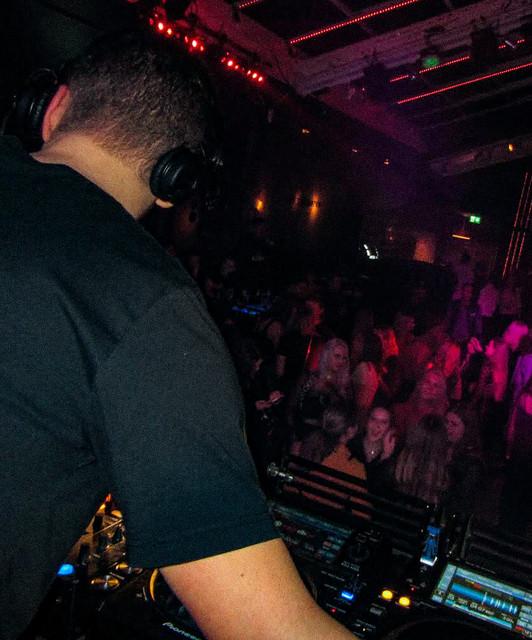
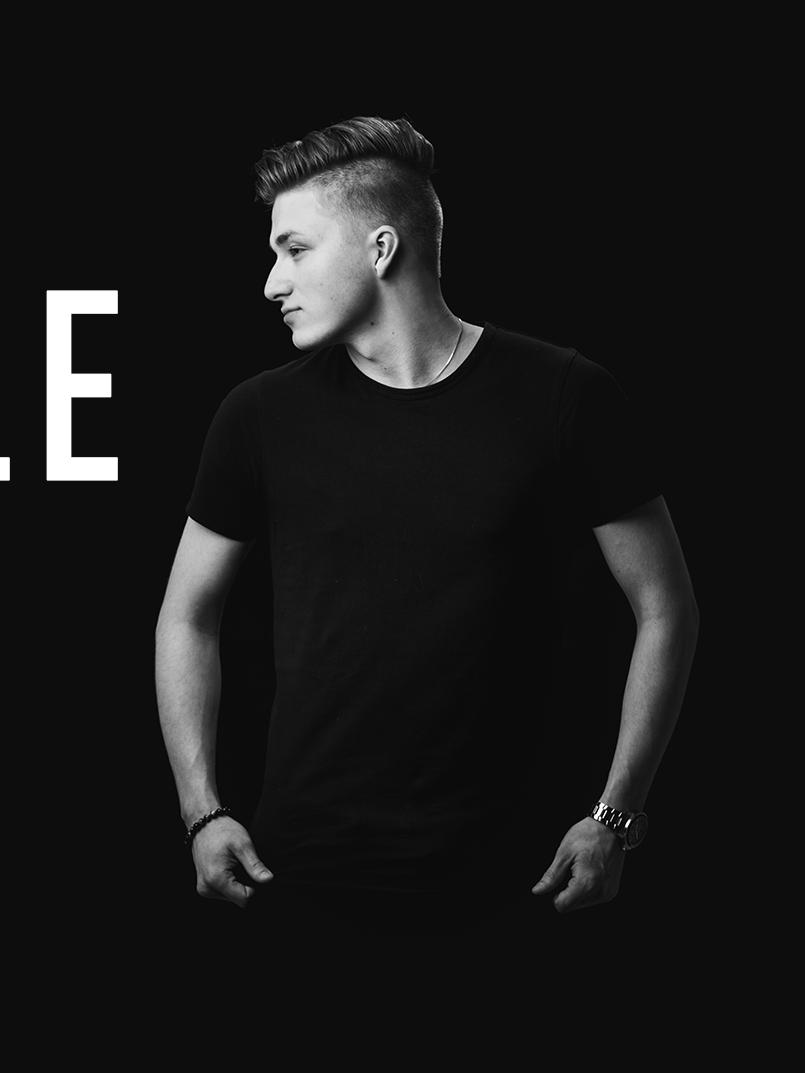
WHITE LIGHT’s Spotify BioWhite Light’s journey began at 14 in Calgary, Canada, DJing school dances, weddings, and birthday parties. What started as a local hustle quickly evolved into a lifelong calling. Inspired by icons like Tiësto, Kaskade, and Deadmau5 — and deeply influenced by the ‘80s disco, funk, and pop his mom played at home — his sound fuses nostalgic groove with modern dancefloor energy. Artists like ABBA and Madonna left a lasting imprint, sparking a love for big, emotional vocals and timeless hooks. Tiësto’s trance era shaped White Light’s early sense of melody and euphoric builds, laying the foundation for his signature style.
At first, “White Light” was just a cool name — but over time, it became a mission: to project light through music, visuals, and emotion. For him, DJing is about more than sound — it’s about creating an immersive experience, where people can connect, feel, and transform.
After studying at Icon Collective in Los Angeles, White Light fully dedicated himself to music production,… blending analog warmth with modern textures. Every set is a journey — a chance to connect people to themselves, each other, and something deeper.
From rooftops to clubs, his performances are a full-body experience — emotional, energetic, and unforgettable. White Light isn't just heard — it’s felt.
Viberate is a music analytics platform built for A&Rs, artist managers, labels, booking agents, marketers, and artists.
It helps music professionals track artist growth, analyze audience data, monitor playlist activity, compare artists, follow song performance, and identify opportunities across the music market.
Public artist pages provide a free preview of selected artist data. Paid plans provide access to deeper analytics, historical data, charts, comparisons, playlist tools, exports, alerts, reports, and additional professional features.
Yes. Public Viberate artist pages provide selected artist analytics and music data for free.
Viberate also offers a 7-day free trial of the full platform. A credit card is required to start the trial. The trial includes access to the complete product so users can test deeper artist analytics, historical views, playlist insights, comparisons, charts, exports, alerts, and reporting features before choosing a paid plan.
Viberate provides artist analytics across streaming, playlists, social media, video, radio airplay, songs, and audience markets.
Users can analyze Spotify performance, Spotify and Apple Music playlists, YouTube activity, TikTok and Instagram growth, radio spins, song performance, audience locations, demographics, rankings, and overall artist momentum.
Artist profiles also connect to music charts, similar artists, and comparison tools, helping users benchmark performance and evaluate artists in context.
Viberate updates key artist and track data daily.
For followed artists and tracks, selected data is refreshed multiple times per day. This helps teams monitor playlist changes, streaming movement, audience growth, releases, and campaign performance with more current data.
Update frequency can vary depending on the metric and data source.
Yes. Viberate lets users compare up to five artists side by side across streaming, social media, audience, and engagement metrics.
Users can compare fanbase growth, audience demographics, locations, Spotify performance, social metrics, and other artist data over selected time periods.
Artist comparison can be used for A&R scouting, benchmarking, booking decisions, campaign planning, and evaluating artists with similar audiences or market positions.