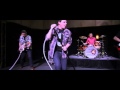
White Label Analog

Rock
Indie Rock
 Viberate Rank: 570981
 Viberate Rank: 570981
 Monthly ListenersFollowers
 Subscribers
 Followers
 Followers
 FansTop Spotify Songs
| Track | 7-Day Streams | |
|---|---|---|
1 | 4 | |
2 | 4 | |
3 | 3 | |
4 | 3 | |
5 | 3 |
Top YouTube VideosMonthly ListenersFeatured in Playlists| Playlist | Followers | |
|---|---|---|
1 | if we ever stop talking, send me a song Molly Finnan | 6.16K |
2 |  Remixes 2026 Seal Network | 3.18K |
3 | Clara Siberg | 1.72K |
4 |  Upbeat Modern Rock Kristoff Trbovich | 1.40K |
5 |  Playlist mas larga del mundo Ian Díaz | 1.07K |
Audience| City | Monthly Listeners | |
|---|---|---|
1 | | 6 |
2 | | 5 |
3 | | 3 |
See full performance history, audience data, playlist activity, rankings, comparisons, and more in Viberate music analytics. Start with a free trial, then continue with a paid plan.
White Label Analog’s Spotify BioWhite Label Analog, an indie rock band hailing from the heart of Austin, Texas, are an exhilarating blend of electrifying energy and introspective lyricism. Vocalist Chris Didear and drummer Heath Macintosh originally formed the band in 2014. After a few iterations, the two ultimately joined forces with guitarist Chris Bourland and bassist Jordan Gates. Together, their carefully crafted music weaves 80’s nostalgia, catchy melodies, and danceable beats, creating a kaleidoscope of sound that surges through the air with a hypnotic purpose… to move your heart as much as your feet!
Thus far, their indelible journey has manifested showcases at SXSW, Canadian Music Week, Springboard Music Festival, and a national tour. In the studio, WLA has worked alongside industry pros such as Mark Needham (The Killers, Imagine Dragons), Dwight Baker (Blue October, MISSIO), and Carl Bahner (St. Lucia, Joywave). They’ve been a support act for The Unlikely Candidates, and Pop 2K Tour stops featuring Lance… Bass and Chris Kirkpatrick of NSYNC. Their music has also been licensed for award winning indie feature films, and for the popular MTV series Teen Mom 2. “If you’re not averse to having fun served with your rock ’n’ roll, then enjoy the sunny melodies and delicious hooks.” -Loris Lowe, Sun Radio
For fans of Neon Trees, The Strokes, WALK THE MOON, Panic! At The Disco, The Killers, Glass Animals, Foals, Phoenix, and The Black Keys
Viberate is a music analytics platform built for A&Rs, artist managers, labels, booking agents, marketers, and artists.
It helps music professionals track artist growth, analyze audience data, monitor playlist activity, compare artists, follow song performance, and identify opportunities across the music market.
Public artist pages provide a free preview of selected artist data. Paid plans provide access to deeper analytics, historical data, charts, comparisons, playlist tools, exports, alerts, reports, and additional professional features.
Yes. Public Viberate artist pages provide selected artist analytics and music data for free.
Viberate also offers a 7-day free trial of the full platform. A credit card is required to start the trial. The trial includes access to the complete product so users can test deeper artist analytics, historical views, playlist insights, comparisons, charts, exports, alerts, and reporting features before choosing a paid plan.
Viberate provides artist analytics across streaming, playlists, social media, video, radio airplay, songs, and audience markets.
Users can analyze Spotify performance, Spotify and Apple Music playlists, YouTube activity, TikTok and Instagram growth, radio spins, song performance, audience locations, demographics, rankings, and overall artist momentum.
Artist profiles also connect to music charts, similar artists, and comparison tools, helping users benchmark performance and evaluate artists in context.
Viberate updates key artist and track data daily.
For followed artists and tracks, selected data is refreshed multiple times per day. This helps teams monitor playlist changes, streaming movement, audience growth, releases, and campaign performance with more current data.
Update frequency can vary depending on the metric and data source.
Yes. Viberate lets users compare up to five artists side by side across streaming, social media, audience, and engagement metrics.
Users can compare fanbase growth, audience demographics, locations, Spotify performance, social metrics, and other artist data over selected time periods.
Artist comparison can be used for A&R scouting, benchmarking, booking decisions, campaign planning, and evaluating artists with similar audiences or market positions.