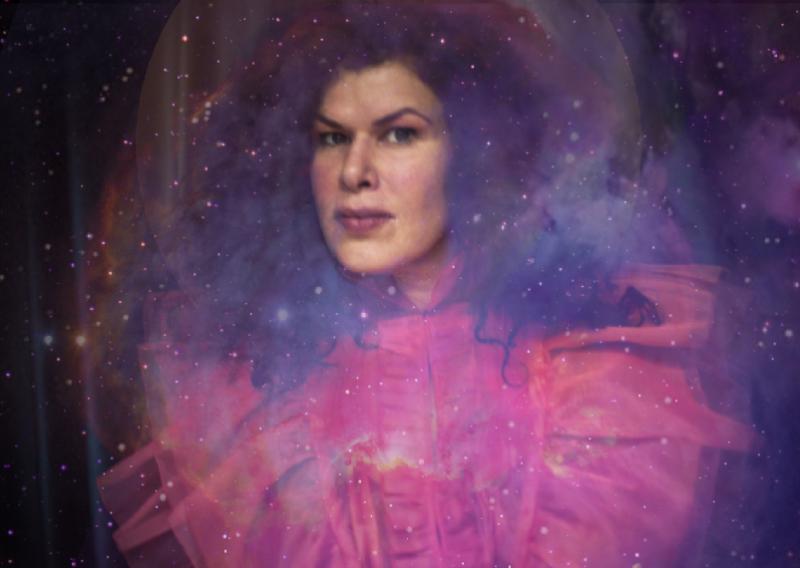
Where Did Nora Go

Pop
Indie Pop
 Viberate Rank: 467484
 Viberate Rank: 467484
 Monthly ListenersFollowers
 Subscribers
 Followers
 Followers
 FansTop Spotify Songs
| Track | 7-Day Streams | |
|---|---|---|
1 | 22 | |
2 | 8 | |
3 | 3 | |
4 | 3 | |
5 | 3 |
Top YouTube Videos| Video | 7-Day Views | |
|---|---|---|
1 | 1 |
Monthly ListenersFeatured in Playlists| Playlist | Followers | |
|---|---|---|
1 |  Hidden Gems HipCrave | 14.15K |
2 |  HEJ SØSTER fallulahdanmark | 6.21K |
3 |  Official Celebration Records Playlist Celebration Records | 6.04K |
4 | Topsify Discover topsifydiscovery | 1.48K |
Audience| City | Monthly Listeners | |
|---|---|---|
1 |  | 6 |
2 |  | 6 |
3 |  | 6 |
4 | | 3 |
5 |  | 3 |
See full performance history, audience data, playlist activity, rankings, comparisons, and more in Viberate music analytics. Start with a free trial, then continue with a paid plan.
Where Did Nora Go’s Spotify BioNOHRĂH (former Where Did Nora Go), is the new alias of the Danish singer, cellist, pianist and composer Astrid Nora, creates ”Music that bridges heaven and earth” (SIDE33)
Her music is Etherial Hypnotic Art Pop with notes of classical and ambient electronic sounds, layers of cellos, voice and piano/synhts. Her utterly unique, intense and powerful voice has been compared to Björk, Kate Bush, Antony & The Johnsons and Ane Brun. She first debuted in 2012 and has since released 4 highly acclaimed albums/EPs as well as numerous singles and music videos.
The latest EP 'UNDIVIDED', released in 2022, was nominated as “Danish Female Artist of the Year”, "Artist of the Year" and "Danish Pop Release of the Year" by Dansih GAFFA and praised for her extraordinary, touching and magnificent voice.
QOUTES:
“WHERE DID NORA GO leads you into a dreamy, almost ethereal world ” Terrorverlag.de
”Music that bridges heaven and earth” SIDE33
“A very special magic emanates from this music. A real treasure”… BLUEPRINT-FANZINE
”A well-composed one-way ticket to a musical space adventure.” ★★★★★ GAFFA
“Music that sounds like something from another world” ★★★★★★★★★★★★★ MUSIKREVIEWS.DE
“Special, even peculiar. But worth every moment you spend with her“ ALTERNATIVMUSIK.DE
Supported by Koda Kultur & Dansk Artist Forbund
Viberate is a music analytics platform built for A&Rs, artist managers, labels, booking agents, marketers, and artists.
It helps music professionals track artist growth, analyze audience data, monitor playlist activity, compare artists, follow song performance, and identify opportunities across the music market.
Public artist pages provide a free preview of selected artist data. Paid plans provide access to deeper analytics, historical data, charts, comparisons, playlist tools, exports, alerts, reports, and additional professional features.
Yes. Public Viberate artist pages provide selected artist analytics and music data for free.
Viberate also offers a 7-day free trial of the full platform. A credit card is required to start the trial. The trial includes access to the complete product so users can test deeper artist analytics, historical views, playlist insights, comparisons, charts, exports, alerts, and reporting features before choosing a paid plan.
Viberate provides artist analytics across streaming, playlists, social media, video, radio airplay, songs, and audience markets.
Users can analyze Spotify performance, Spotify and Apple Music playlists, YouTube activity, TikTok and Instagram growth, radio spins, song performance, audience locations, demographics, rankings, and overall artist momentum.
Artist profiles also connect to music charts, similar artists, and comparison tools, helping users benchmark performance and evaluate artists in context.
Viberate updates key artist and track data daily.
For followed artists and tracks, selected data is refreshed multiple times per day. This helps teams monitor playlist changes, streaming movement, audience growth, releases, and campaign performance with more current data.
Update frequency can vary depending on the metric and data source.
Yes. Viberate lets users compare up to five artists side by side across streaming, social media, audience, and engagement metrics.
Users can compare fanbase growth, audience demographics, locations, Spotify performance, social metrics, and other artist data over selected time periods.
Artist comparison can be used for A&R scouting, benchmarking, booking decisions, campaign planning, and evaluating artists with similar audiences or market positions.