What's Eating Gilbert

Punk
Punk Rock
Pop Punk
Hard Rock
 Viberate Rank: 116357
 Viberate Rank: 116357
 Monthly ListenersFollowers
 Subscribers
 Followers
 Followers
 FansTop Spotify Songs
| Track | 7-Day Streams | |
|---|---|---|
1 | 158 | |
2 | 64 | |
3 | 46 | |
4 | 40 | |
5 | 37 |
Top YouTube VideosMonthly ListenersFeatured in Playlists| Playlist | Followers | |
|---|---|---|
1 | Skiing All Day Gus Horner | 29.71K |
2 |  Pop Punk Wedding 💍 Brooke Edwards | 6.37K |
3 |  Backcountry Skiing Tim Scheve | 2.07K |
4 |  History of Power Pop Luthercal | 2.00K |
5 |  Featuring Hayley Williams The Dowsers | 1.37K |
Audience| City | Monthly Listeners | |
|---|---|---|
1 | | 16 |
2 | | 12 |
3 |  | 12 |
4 | | 11 |
5 | | 11 |
See full performance history, audience data, playlist activity, rankings, comparisons, and more in Viberate music analytics. Start with a free trial, then continue with a paid plan.
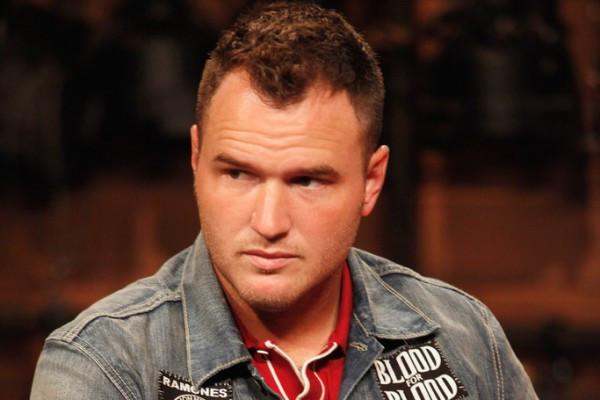
What's Eating Gilbert’s Spotify BioWhat's Eating Gilbert is a solo project from Los Angeles-based producer and New Found Glory guitarist Chad Gilbert. Beginning in 2009, Gilbert began writing songs that blended pop-punk with the retro 50's and 60's rock and country music that his parents listened to while he was growing up. Loaded with various pop culture references and bearing a sense of early rock nostalgia, the band name is a reference to Peter Hedges' 1991 novel What's Eating Gilbert Grape. For as busy as he was with New Found Glory, the prolific Gilbert found time to release three EPs in 2010 alone. The five-song Cheap Shots EP arrived in 2012, followed a year later by a split single with the band Octaves. On 2014's Come On Let's Go EP, Gilbert covered songs by Ritchie Valens, Roy Orbison, and Johnny Cash. What's Eating Gilbert's debut album, That New Sound You're Looking For, finally arrived in 2015 courtesy of Hopeless Records. ~ Timothy Monger, Rovi
Viberate is a music analytics platform built for A&Rs, artist managers, labels, booking agents, marketers, and artists.
It helps music professionals track artist growth, analyze audience data, monitor playlist activity, compare artists, follow song performance, and identify opportunities across the music market.
Public artist pages provide a free preview of selected artist data. Paid plans provide access to deeper analytics, historical data, charts, comparisons, playlist tools, exports, alerts, reports, and additional professional features.
Yes. Public Viberate artist pages provide selected artist analytics and music data for free.
Viberate also offers a 7-day free trial of the full platform. A credit card is required to start the trial. The trial includes access to the complete product so users can test deeper artist analytics, historical views, playlist insights, comparisons, charts, exports, alerts, and reporting features before choosing a paid plan.
Viberate provides artist analytics across streaming, playlists, social media, video, radio airplay, songs, and audience markets.
Users can analyze Spotify performance, Spotify and Apple Music playlists, YouTube activity, TikTok and Instagram growth, radio spins, song performance, audience locations, demographics, rankings, and overall artist momentum.
Artist profiles also connect to music charts, similar artists, and comparison tools, helping users benchmark performance and evaluate artists in context.
Viberate updates key artist and track data daily.
For followed artists and tracks, selected data is refreshed multiple times per day. This helps teams monitor playlist changes, streaming movement, audience growth, releases, and campaign performance with more current data.
Update frequency can vary depending on the metric and data source.
Yes. Viberate lets users compare up to five artists side by side across streaming, social media, audience, and engagement metrics.
Users can compare fanbase growth, audience demographics, locations, Spotify performance, social metrics, and other artist data over selected time periods.
Artist comparison can be used for A&R scouting, benchmarking, booking decisions, campaign planning, and evaluating artists with similar audiences or market positions.