What So Not

Electronic
Dance
Trap/Future Bass
 Viberate Rank: 23835
 Viberate Rank: 23835
 Monthly ListenersFollowers
 Subscribers
 Followers
 Followers
 FansTop Spotify Songs
| Track | 7-Day Streams | |
|---|---|---|
1 | 179.12K | |
2 | 124.74K | |
3 | 85.98K | |
4 | 33.04K | |
5 | 30.81K |
Top YouTube VideosMonthly ListenersFeatured in Playlists| Playlist | Followers | |
|---|---|---|
1 |  Trap Nation Trap Nation | 1.96M |
2 |  Trap Mojito Spotify | 869.73K |
3 |  creamy Spotify | 843.30K |
4 |  Electrified PopFiltr | 388.92K |
5 |  Euphoria Official Playlist Spotify | 320.67K |
Audience| City | Monthly Listeners | |
|---|---|---|
1 | | 33.05K |
2 | | 31.57K |
3 | | 23.91K |
4 | | 22.11K |
5 |  | 21.16K |
See full performance history, audience data, playlist activity, rankings, comparisons, and more in Viberate music analytics. Start with a free trial, then continue with a paid plan.
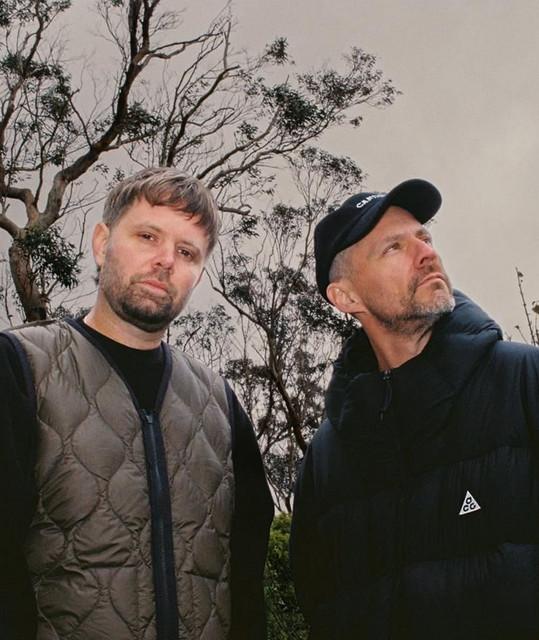
What So Not’s Spotify BioAfter charting America’s #1 Dance Album with his debut Not All the Beautiful Things in 2018, Chris Emerson—aka What So Not—stepped back from the spotlight to reconnect with the dancefloor, nature, and the roots of his artistry. Living in coastal towns and surfing treacherous waves, he turned these experiences into sound, ultimately creating Anomaly, a bold and personal album reflecting newfound clarity and creative freedom.
Blending cinematic builds, heavy basslines, and ethereal vocals, Anomaly featured collaborations with Oliver Tree, Killer Mike, Louis the Child, and MØ. Alongside the album, Emerson debuted a stunning immersive live show, complete with 3D animation exploring themes of purpose and existence.
After a major U.S. and Australian tour, Emerson continued pushing creative boundaries with his Motions EP, released independently and featuring Lucy Lucy, MNDR, IMANU, Habstrakt, and Maiah Manser. He described it as “a trajectory of love.”
In 2024, he launched the Dance Dance… Revival Tour, spotlighting local talent across Australia and culminating in the Bunnings Warehouse Party—an unconventional event in Preston featuring Peking Duk and others.
What So Not kicked off 2025 headlining Snack’s New Year’s Eve in Perth before embarking on a North American tour with festival stops including Coachella, Bonnaroo, and Ubbi Dubbi.
Viberate is a music analytics platform built for A&Rs, artist managers, labels, booking agents, marketers, and artists.
It helps music professionals track artist growth, analyze audience data, monitor playlist activity, compare artists, follow song performance, and identify opportunities across the music market.
Public artist pages provide a free preview of selected artist data. Paid plans provide access to deeper analytics, historical data, charts, comparisons, playlist tools, exports, alerts, reports, and additional professional features.
Yes. Public Viberate artist pages provide selected artist analytics and music data for free.
Viberate also offers a 7-day free trial of the full platform. A credit card is required to start the trial. The trial includes access to the complete product so users can test deeper artist analytics, historical views, playlist insights, comparisons, charts, exports, alerts, and reporting features before choosing a paid plan.
Viberate provides artist analytics across streaming, playlists, social media, video, radio airplay, songs, and audience markets.
Users can analyze Spotify performance, Spotify and Apple Music playlists, YouTube activity, TikTok and Instagram growth, radio spins, song performance, audience locations, demographics, rankings, and overall artist momentum.
Artist profiles also connect to music charts, similar artists, and comparison tools, helping users benchmark performance and evaluate artists in context.
Viberate updates key artist and track data daily.
For followed artists and tracks, selected data is refreshed multiple times per day. This helps teams monitor playlist changes, streaming movement, audience growth, releases, and campaign performance with more current data.
Update frequency can vary depending on the metric and data source.
Yes. Viberate lets users compare up to five artists side by side across streaming, social media, audience, and engagement metrics.
Users can compare fanbase growth, audience demographics, locations, Spotify performance, social metrics, and other artist data over selected time periods.
Artist comparison can be used for A&R scouting, benchmarking, booking decisions, campaign planning, and evaluating artists with similar audiences or market positions.