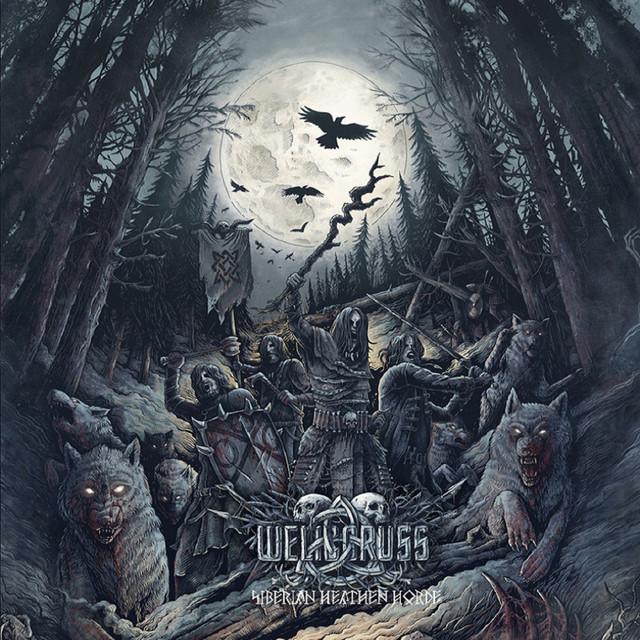
Welicoruss

Metal
Black Metal
Folk Metal
 Viberate Rank: 244772
 Viberate Rank: 244772
 Monthly ListenersFollowers
 Subscribers
 Followers
 Followers
 FansTop Spotify Songs
| Track | 7-Day Streams | |
|---|---|---|
1 | 51 | |
2 | 42 | |
3 | 31 | |
4 | 27 | |
5 | 19 |
Top YouTube VideosMonthly ListenersFeatured in Playlists| Playlist | Followers | |
|---|---|---|
1 |  Viking Metal Thor'sDay - Folk Metal Ernst Christensen | 10.25K |
2 | Russian Black Metal Santa Claus | 2.45K |
3 |  Folk Metal from Russia Jora Kolbasnikov | 2.05K |
4 |  Russian Folk Metal Ebolabeard | 1.77K |
5 | Viking Black Metal Dmitriy Makarov | 1.23K |
Audience| City | Monthly Listeners | |
|---|---|---|
1 | | 16 |
2 |  | 12 |
3 | | 9 |
4 |  | 8 |
5 | | 7 |
See full performance history, audience data, playlist activity, rankings, comparisons, and more in Viberate music analytics. Start with a free trial, then continue with a paid plan.
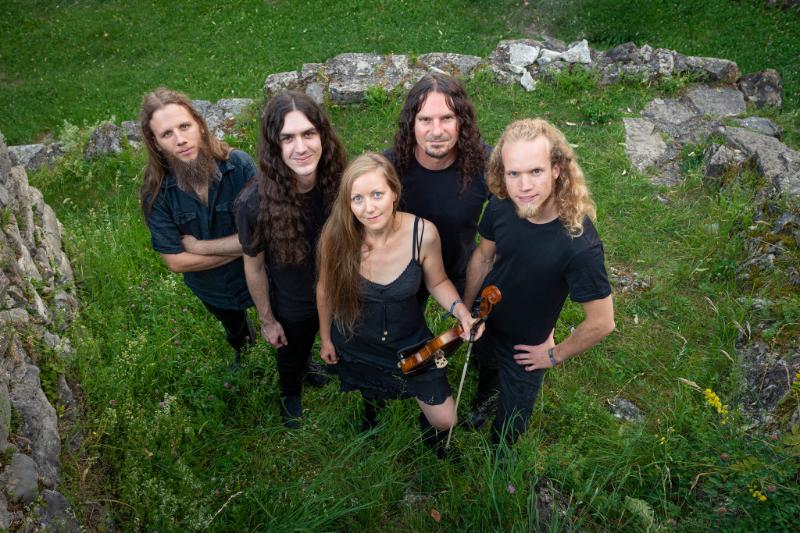
Welicoruss’ Spotify BioRoots of Welicoruss go back to deep 2002 in Western Siberia, when founder and leader of band, Alexey Boganov, started as one-man bands but then formed full-fledged band and at that time Welicoruss became one of the pioneers of epic black metal in Russia and CIS contries. Band releases their first opuses, all the while experimenting with a style which could be described as symphonic black metal with elements of pagan, epic, melodic metal, saturated with dense epic symphonic arrangements with various types of vocals. In their lyrics and conception Welicoruss refers to the secret, occult side of life, mixing with the national, local Siberian “shade”, mixed with tribal mysticism, primal fury and majesty of Natural forces.
In 2013 Welicoruss relocated to Prague (Czech Republic) and started new work on completely different level, full of permanent tours, concerts and festivals. Welicoruss had the honor of being invited to such festivals as Hellfest (FR), Wave Gotik Treffen (DE), Made Of Metal… (CZ), The Legends Rock Fest (CZ), Ragnarok fest (DE) and many more. In 2020 Welicoruss was signed by German label El Puerto Records, released their last album “Siberian Heathen Horde” and going on tour with Eisregen.
Viberate is a music analytics platform built for A&Rs, artist managers, labels, booking agents, marketers, and artists.
It helps music professionals track artist growth, analyze audience data, monitor playlist activity, compare artists, follow song performance, and identify opportunities across the music market.
Public artist pages provide a free preview of selected artist data. Paid plans provide access to deeper analytics, historical data, charts, comparisons, playlist tools, exports, alerts, reports, and additional professional features.
Yes. Public Viberate artist pages provide selected artist analytics and music data for free.
Viberate also offers a 7-day free trial of the full platform. A credit card is required to start the trial. The trial includes access to the complete product so users can test deeper artist analytics, historical views, playlist insights, comparisons, charts, exports, alerts, and reporting features before choosing a paid plan.
Viberate provides artist analytics across streaming, playlists, social media, video, radio airplay, songs, and audience markets.
Users can analyze Spotify performance, Spotify and Apple Music playlists, YouTube activity, TikTok and Instagram growth, radio spins, song performance, audience locations, demographics, rankings, and overall artist momentum.
Artist profiles also connect to music charts, similar artists, and comparison tools, helping users benchmark performance and evaluate artists in context.
Viberate updates key artist and track data daily.
For followed artists and tracks, selected data is refreshed multiple times per day. This helps teams monitor playlist changes, streaming movement, audience growth, releases, and campaign performance with more current data.
Update frequency can vary depending on the metric and data source.
Yes. Viberate lets users compare up to five artists side by side across streaming, social media, audience, and engagement metrics.
Users can compare fanbase growth, audience demographics, locations, Spotify performance, social metrics, and other artist data over selected time periods.
Artist comparison can be used for A&R scouting, benchmarking, booking decisions, campaign planning, and evaluating artists with similar audiences or market positions.