Weedeater

Metal
Doom/Sludge Metal
Stoner Rock
 Viberate Rank: 48559
 Viberate Rank: 48559
 Monthly ListenersFollowers
 Subscribers
 Followers
 Followers
 FansTop Spotify Songs
| Track | 7-Day Streams | |
|---|---|---|
1 | 22.17K | |
2 | 16.29K | |
3 | 15.02K | |
4 | 14.81K | |
5 | 5.66K |
Top YouTube Videos| Video | 7-Day Views | |
|---|---|---|
1 | 2.24K | |
2 | 2.15K | |
3 | 775 | |
4 | 762 | |
5 | 488 |
Monthly ListenersFeatured in Playlists| Playlist | Followers | |
|---|---|---|
1 |  Dark and Furious Spotify | 128.07K |
2 | Stoner Metal corrynfleming | 37.07K |
3 |  Ultimate Sludge Metal Loudwire | 30.11K |
4 |  Sludge Metal sam | 22.61K |
5 |  Stoner Metal The Brick | 21.40K |
Audience| City | Monthly Listeners | |
|---|---|---|
1 | | 1.71K |
2 | | 1.61K |
3 | | 1.25K |
4 | | 1.25K |
5 | | 1.20K |
See full performance history, audience data, playlist activity, rankings, comparisons, and more in Viberate music analytics. Start with a free trial, then continue with a paid plan.
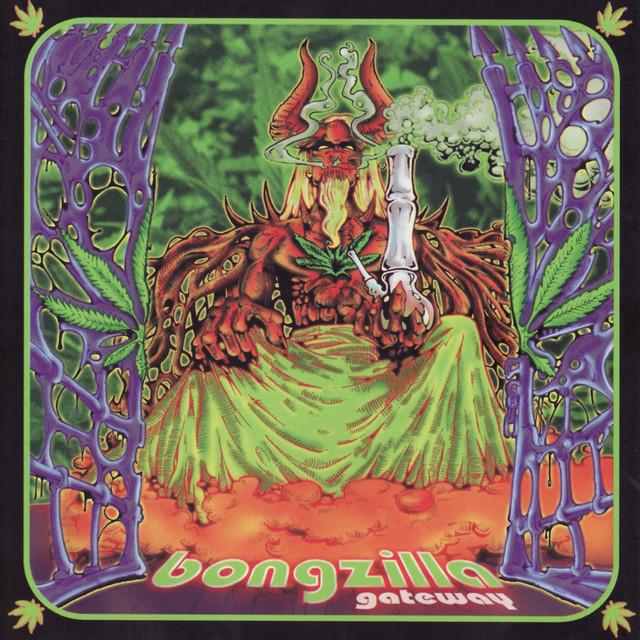
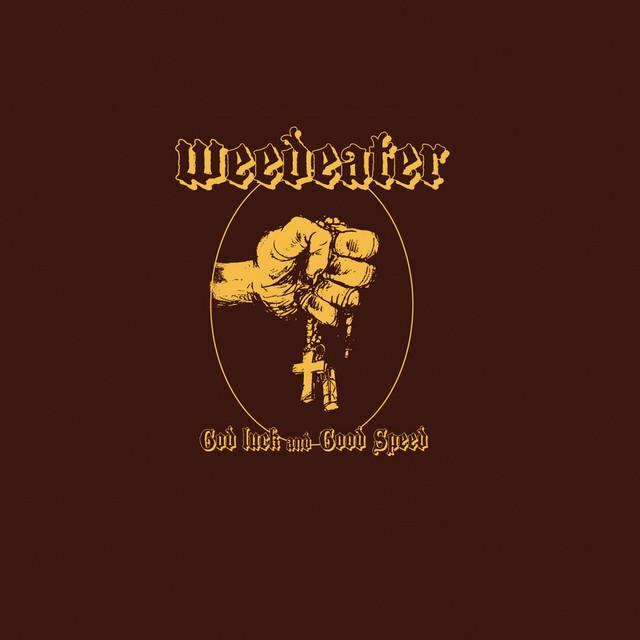
Weedeater’s Spotify BioWeedeater was born the mid-'90s, in Wilmington, NC, originally taking shape as a side project of vocalist/bassist "Dixie" Dave Collins, who was otherwise engaged with sludge metal cult favorites Buzzov*en at the time. However, upon that band's official demise in 1998, Collins was free to concentrate his efforts on Weedeater, which released two sludgecore albums to kick off the new millennium: 2001's And Justice for Y'All and 2002's Sixteen Tons, both produced by stoner specialist Billy Anderson. Collins later decided to tour briefly as bass player for Bongzilla and also found time to lend his four strings to Wilmington neighbors, Sourvein, but continued to work with Weedeater guitarist Shep and drummer Keko, touring relentlessly over the years, with the likes of C.O.C. and Alabama Thunderpussy. Busy as he was, Collins and co. finally got around to recording their third long-player, God Luck and Good Speed, which was release through Southern Lord in 2007. ~ Eduardo Rivadavia, Rovi
Viberate is a music analytics platform built for A&Rs, artist managers, labels, booking agents, marketers, and artists.
It helps music professionals track artist growth, analyze audience data, monitor playlist activity, compare artists, follow song performance, and identify opportunities across the music market.
Public artist pages provide a free preview of selected artist data. Paid plans provide access to deeper analytics, historical data, charts, comparisons, playlist tools, exports, alerts, reports, and additional professional features.
Yes. Public Viberate artist pages provide selected artist analytics and music data for free.
Viberate also offers a 7-day free trial of the full platform. A credit card is required to start the trial. The trial includes access to the complete product so users can test deeper artist analytics, historical views, playlist insights, comparisons, charts, exports, alerts, and reporting features before choosing a paid plan.
Viberate provides artist analytics across streaming, playlists, social media, video, radio airplay, songs, and audience markets.
Users can analyze Spotify performance, Spotify and Apple Music playlists, YouTube activity, TikTok and Instagram growth, radio spins, song performance, audience locations, demographics, rankings, and overall artist momentum.
Artist profiles also connect to music charts, similar artists, and comparison tools, helping users benchmark performance and evaluate artists in context.
Viberate updates key artist and track data daily.
For followed artists and tracks, selected data is refreshed multiple times per day. This helps teams monitor playlist changes, streaming movement, audience growth, releases, and campaign performance with more current data.
Update frequency can vary depending on the metric and data source.
Yes. Viberate lets users compare up to five artists side by side across streaming, social media, audience, and engagement metrics.
Users can compare fanbase growth, audience demographics, locations, Spotify performance, social metrics, and other artist data over selected time periods.
Artist comparison can be used for A&R scouting, benchmarking, booking decisions, campaign planning, and evaluating artists with similar audiences or market positions.