
Wealthy Beggar

Pop
Indie Pop
 Viberate Rank: 722483
 Viberate Rank: 722483
 Monthly ListenersFollowers
 Subscribers
 Followers
 Followers
 FansTop Spotify Songs
| Track | 7-Day Streams | |
|---|---|---|
1 | 23 | |
2 | 4 | |
3 | 3 | |
4 | 3 | |
5 | 3 |
Top YouTube VideosMonthly ListenersFeatured in Playlists| Playlist | Followers | |
|---|---|---|
1 | 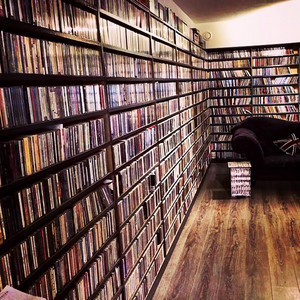 Ekdom's Platenkast Gerard Ekdom | 16.15K |
2 | 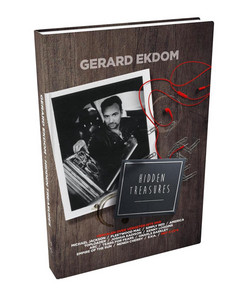 Gerard Ekdom's Hidden Treasures Betamacx | 2.84K |
3 |  EKDOM IN DE OCHTEND MET GERARD EKDOM NPO RADIO 2 Martin van Leeuwen | 1.37K |
Audience| City | Monthly Listeners | |
|---|---|---|
1 | | 11 |
2 | | 5 |
3 | | 3 |
4 | | 3 |
5 | | 3 |
See full performance history, audience data, playlist activity, rankings, comparisons, and more in Viberate music analytics. Start with a free trial, then continue with a paid plan.
Wealthy Beggar’s Spotify BioThe Corona pandemic has prompted a first release Wealthy Beggar since 2005. Inspired by the global state of misery caused by the pandemic, Wealthy Beggar's core members and songwriters Tom Sikkers and Derrick van Schie wrote and recorded the song ‘What Kinda Life’.
It's lyrics are not a protest against the containing restrictions, but an expression of concern over the (long term) physical and mental effects of Covid 19 and the lockdowns, especially on children.
The song will be available on all common music platforms like Spotify and Deezer from 16/4/21
Wealthy Beggar were active from 1999 until 2005, playing around the Dutch club circuit and festivals like Lowlands and Pinkpop. They released an EP (Selling The Vibe) and an album (Roxxx in the Disco) through record company Play It Again Sam (PIAS). Singles ‘Reminder’, ‘Selling the Vibe’ and ‘Wonderful Thing’ received considerable airplay on national and local radio and television.
Viberate is a music analytics platform built for A&Rs, artist managers, labels, booking agents, marketers, and artists.
It helps music professionals track artist growth, analyze audience data, monitor playlist activity, compare artists, follow song performance, and identify opportunities across the music market.
Public artist pages provide a free preview of selected artist data. Paid plans provide access to deeper analytics, historical data, charts, comparisons, playlist tools, exports, alerts, reports, and additional professional features.
Yes. Public Viberate artist pages provide selected artist analytics and music data for free.
Viberate also offers a 7-day free trial of the full platform. A credit card is required to start the trial. The trial includes access to the complete product so users can test deeper artist analytics, historical views, playlist insights, comparisons, charts, exports, alerts, and reporting features before choosing a paid plan.
Viberate provides artist analytics across streaming, playlists, social media, video, radio airplay, songs, and audience markets.
Users can analyze Spotify performance, Spotify and Apple Music playlists, YouTube activity, TikTok and Instagram growth, radio spins, song performance, audience locations, demographics, rankings, and overall artist momentum.
Artist profiles also connect to music charts, similar artists, and comparison tools, helping users benchmark performance and evaluate artists in context.
Viberate updates key artist and track data daily.
For followed artists and tracks, selected data is refreshed multiple times per day. This helps teams monitor playlist changes, streaming movement, audience growth, releases, and campaign performance with more current data.
Update frequency can vary depending on the metric and data source.
Yes. Viberate lets users compare up to five artists side by side across streaming, social media, audience, and engagement metrics.
Users can compare fanbase growth, audience demographics, locations, Spotify performance, social metrics, and other artist data over selected time periods.
Artist comparison can be used for A&R scouting, benchmarking, booking decisions, campaign planning, and evaluating artists with similar audiences or market positions.