We Stood Like Kings

Rock
Progressive Rock
Post Rock
 Viberate Rank: 309765
 Viberate Rank: 309765
 Monthly ListenersFollowers
 Subscribers
 Followers
 Followers
 FansTop Spotify Songs
| Track | 7-Day Streams | |
|---|---|---|
1 | 290 | |
2 | 231 | |
3 | 117 | |
4 | 71 | |
5 | 60 |
Top YouTube VideosMonthly ListenersFeatured in Playlists| Playlist | Followers | |
|---|---|---|
1 |  Post Rock | Space Rock | Ambient Refly | 8.33K |
2 |  Duyster (all tracks ever played) Wike | 8.15K |
3 | Post rock - Instrumental - Ambient - Coding Wouter Flikweert | 4.21K |
4 |  Worldhaspostrock Mateus S. | 3.29K |
5 |  Studio Brussel: duyster (all tracks ever played) Studio Brussel | 3.29K |
Audience| City | Monthly Listeners | |
|---|---|---|
1 |  | 33 |
2 |  | 30 |
3 | | 29 |
4 |  | 25 |
5 |  | 23 |
See full performance history, audience data, playlist activity, rankings, comparisons, and more in Viberate music analytics. Start with a free trial, then continue with a paid plan.
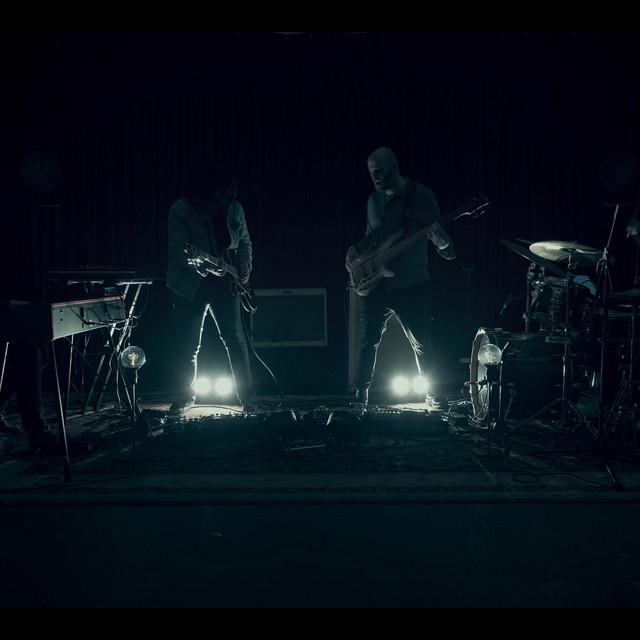
We Stood Like Kings’ Spotify BioPiano-driven post-rockers We Stood Like Kings are a 4-piece instrumental band from Belgium. During their 15 years of existence, they have navigated the confluence of post-rock, post-metal, neoclassical music and progressive rock, standing out in the broad alternative music scene with their extensive use of the piano. They have toured abundantly across Europe and released six studio albums via German label Kapitän Platte.
Their cinematic projects include a trilogy of alternate live soundtracks for the silent cult films Koyaanisqatsi (Reggio), Berlin: Symphony of a Great City (Ruttmann) and A Sixth Part of the World (Vertov). They also rescored the more recent animated feature Away by Gints Zilbalodis, creator of the award-winning Flow. In addition, on Classical Re:works, We Stood Like Kings skillfully created contemporary rock versions of classical music masterpieces like Beethoven’s Moonlight Sonata or Debussy’s Rêverie.
The band’s latest heavier-than-ever record Pinocchio, released in… April 2026, marks a musical turning point in the Kings’ history: “This really feels like We Stood Like Kings 2.0. It might be the record we’ve always wanted to make”, says pianist Judith Hoorens. The 9-track, 50-minute concept album revisits the timeless initiatory tale of Pinocchio through the violent lens of betrayal and power struggles. Cinema shows of Pinocchio are accompanied by sublime drawings from Belgian illustrator Carll Cneut, animated by Cartoonbase Studio.
Viberate is a music analytics platform built for A&Rs, artist managers, labels, booking agents, marketers, and artists.
It helps music professionals track artist growth, analyze audience data, monitor playlist activity, compare artists, follow song performance, and identify opportunities across the music market.
Public artist pages provide a free preview of selected artist data. Paid plans provide access to deeper analytics, historical data, charts, comparisons, playlist tools, exports, alerts, reports, and additional professional features.
Yes. Public Viberate artist pages provide selected artist analytics and music data for free.
Viberate also offers a 7-day free trial of the full platform. A credit card is required to start the trial. The trial includes access to the complete product so users can test deeper artist analytics, historical views, playlist insights, comparisons, charts, exports, alerts, and reporting features before choosing a paid plan.
Viberate provides artist analytics across streaming, playlists, social media, video, radio airplay, songs, and audience markets.
Users can analyze Spotify performance, Spotify and Apple Music playlists, YouTube activity, TikTok and Instagram growth, radio spins, song performance, audience locations, demographics, rankings, and overall artist momentum.
Artist profiles also connect to music charts, similar artists, and comparison tools, helping users benchmark performance and evaluate artists in context.
Viberate updates key artist and track data daily.
For followed artists and tracks, selected data is refreshed multiple times per day. This helps teams monitor playlist changes, streaming movement, audience growth, releases, and campaign performance with more current data.
Update frequency can vary depending on the metric and data source.
Yes. Viberate lets users compare up to five artists side by side across streaming, social media, audience, and engagement metrics.
Users can compare fanbase growth, audience demographics, locations, Spotify performance, social metrics, and other artist data over selected time periods.
Artist comparison can be used for A&R scouting, benchmarking, booking decisions, campaign planning, and evaluating artists with similar audiences or market positions.