We Sell The Dead

Metal
Heavy Metal
Doom/Sludge Metal
 Viberate Rank: 437593
 Viberate Rank: 437593
 Monthly ListenersFollowers
 Subscribers
 Followers
 Followers
 FansTop Spotify Songs
| Track | 7-Day Streams | |
|---|---|---|
1 | 72 | |
2 | 45 | |
3 | 19 | |
4 | 17 | |
5 | 13 |
Top YouTube VideosMonthly ListenersFeatured in Playlists| Playlist | Followers | |
|---|---|---|
1 |  Parabelritter's Favoriten Silence Metal Massacre | 11.29K |
2 |  Classic Rock Forever earMUSIC | 3.71K |
3 |  Track Of The Day Rocknytt | 3.22K |
4 |  I Wanna Rock JaviFlames | 2.26K |
5 |  The Sound of Gothenburg Metal The Sounds of Spotify | 1.12K |
Audience| City | Monthly Listeners | |
|---|---|---|
1 | | 22 |
2 | | 21 |
3 |  | 8 |
4 |  | 5 |
5 |  | 5 |
See full performance history, audience data, playlist activity, rankings, comparisons, and more in Viberate music analytics. Start with a free trial, then continue with a paid plan.
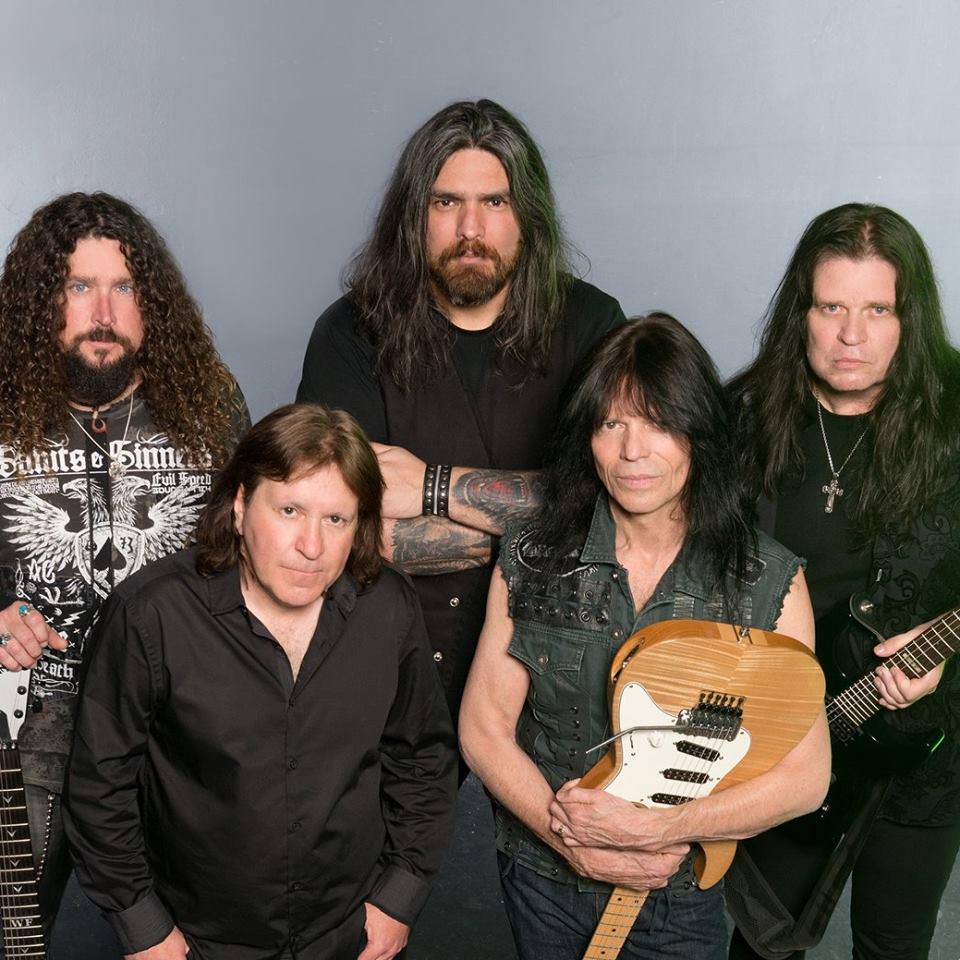
We Sell The Dead’s Spotify BioWe Sell the Dead started in 2016 as an idea from In Flames and Engel guitarist Niclas Engelin to write a different kind of music than he was used to from those two bands. Niclas had already been working with bass guitar player and singer Jonas Slättung in the band Drömriket, and the two had been friends since childhood, playing in and out of bands together since way back. Jonas wrote the lyrics and the melodies to Niclas’ heavy riffs. Together, they started the process of what was to become We Sell The Dead’s first album, Heaven Doesn’t Want You And Hell Is Full.
Their old friend Apollo Papathanasio, the frontman for Firewind and Spiritual Beggars among others, was the only choice for lead singer, as he possesses one of the best voices in Sweden.
On the first album, the drummer’s seat was filled with Gas Lipstick, former member of HIM. When it was clear to all that the pressing schedules and geographical distances (Gas lives in Finland) was too great an obstacle to overcome, Gas… unfortunately had to be replaced.
Enter Oscar Nilson, drummer in the band Engel, owner and producer of Crehate Studios, the studio where WSTD had recorded their first album. Oscar, with a steady and cool approach to drumming, was the natural choice as Gas’ replacement.
Finally, Petter Olsson, who played keyboards on the first album, was asked to join We Sell the Dead as a full time member. With Moogs, Hammonds and a virtuoso piano playing Petter rounds up the band perfectly.
Viberate is a music analytics platform built for A&Rs, artist managers, labels, booking agents, marketers, and artists.
It helps music professionals track artist growth, analyze audience data, monitor playlist activity, compare artists, follow song performance, and identify opportunities across the music market.
Public artist pages provide a free preview of selected artist data. Paid plans provide access to deeper analytics, historical data, charts, comparisons, playlist tools, exports, alerts, reports, and additional professional features.
Yes. Public Viberate artist pages provide selected artist analytics and music data for free.
Viberate also offers a 7-day free trial of the full platform. A credit card is required to start the trial. The trial includes access to the complete product so users can test deeper artist analytics, historical views, playlist insights, comparisons, charts, exports, alerts, and reporting features before choosing a paid plan.
Viberate provides artist analytics across streaming, playlists, social media, video, radio airplay, songs, and audience markets.
Users can analyze Spotify performance, Spotify and Apple Music playlists, YouTube activity, TikTok and Instagram growth, radio spins, song performance, audience locations, demographics, rankings, and overall artist momentum.
Artist profiles also connect to music charts, similar artists, and comparison tools, helping users benchmark performance and evaluate artists in context.
Viberate updates key artist and track data daily.
For followed artists and tracks, selected data is refreshed multiple times per day. This helps teams monitor playlist changes, streaming movement, audience growth, releases, and campaign performance with more current data.
Update frequency can vary depending on the metric and data source.
Yes. Viberate lets users compare up to five artists side by side across streaming, social media, audience, and engagement metrics.
Users can compare fanbase growth, audience demographics, locations, Spotify performance, social metrics, and other artist data over selected time periods.
Artist comparison can be used for A&R scouting, benchmarking, booking decisions, campaign planning, and evaluating artists with similar audiences or market positions.