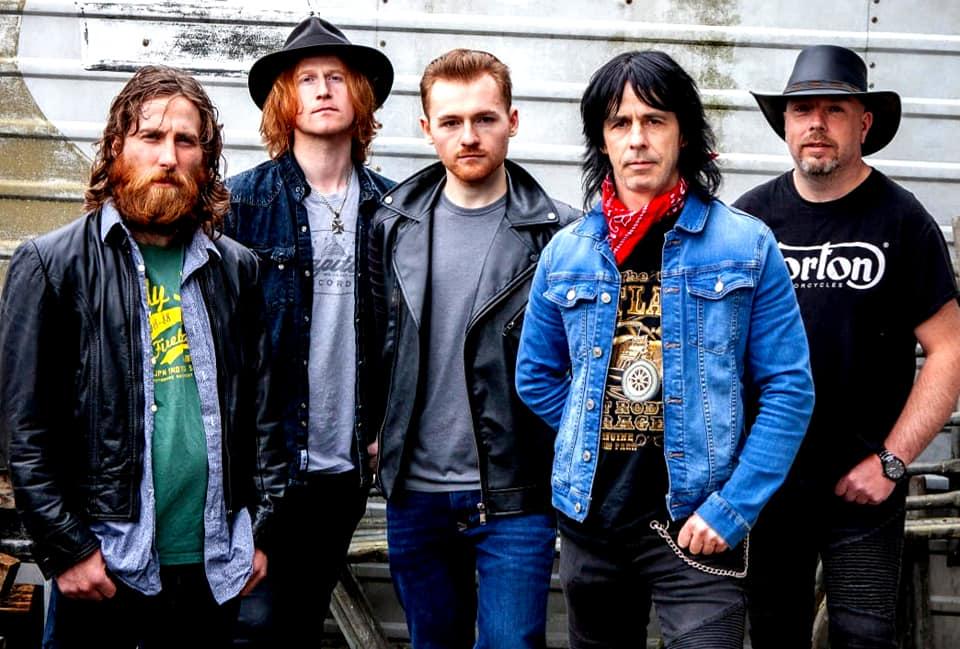
Wayward Sons

Rock
Hard Rock
Pop Rock
 Viberate Rank: 247574
 Viberate Rank: 247574
 Monthly ListenersFollowers
 Subscribers
 Followers
 Followers
 FansTop Spotify Songs
| Track | 7-Day Streams | |
|---|---|---|
1 | 380 | |
2 | 162 | |
3 | 91 | |
4 | 82 | |
5 | 77 |
Top YouTube VideosMonthly ListenersFeatured in Playlists| Playlist | Followers | |
|---|---|---|
1 |  The Sound of Everything The Sounds of Spotify | 53.83K |
2 |  Download Festival 2018 Download Festival | 5.70K |
3 |  Download Festival 2022 Download Festival | 5.06K |
4 |  Download Festival 2020 Download Festival | 4.56K |
5 |  Guitar Rock gilestunes | 4.06K |
Audience| City | Monthly Listeners | |
|---|---|---|
1 | | 108 |
2 | | 91 |
3 | | 49 |
4 | | 27 |
5 |  | 19 |
See full performance history, audience data, playlist activity, rankings, comparisons, and more in Viberate music analytics. Start with a free trial, then continue with a paid plan.
Wayward Sons’ Spotify BioUnashamedly influenced by '70s hard rock and glam with a bit of '80s hair metal mixed in for seasoning, Wayward Sons are a British rock band whose high-impact swagger is fueled by crunchy and/or soaring guitars, vocals with no shortage of arena-sized attitude, and the occasional dose of grandiose keyboards. The group made a thunderous debut with the 2017 album Ghosts of Yet to Come, and were in similarly bombastic form on the follow-up, 2019's The Truth Ain't What It Used to Be.
The seeds of Wayward Sons were sown in 2016 when singer and guitarist Toby Jepson, best known for his work with Little Angels, Gun, and Toby & the Whole Truth, was approached by Italian record label Frontiers about making a solo record. The veteran rocker was reticent about it, having made his name in the '80s and '90s working in bands rather than on his own. However, Frontiers persisted, and Jepson tentatively started reaching out to players. First, he called on bassist Nic Wastell, formerly of Chrome Molly; Je…pson had produced an album for the band, and they had toured together several times. Wastell quickly signed on, and another band Jepson had produced, Treason Kings, contributed guitarist Sam Wood. Jepson discovered drummer Phil Martini at the High Voltage Festival in London when he was backing Joe Elliott in the Def Leppard legend's solo project the Down 'n' Outz, and persuaded him to play with his new group. Finally, Jepson's frequent collaborator and songwriting partner, multi-instrumentalist Dave Kemp, was enlisted to play keys. Having put together a proper band rather than a solo backing group, Jepson named the freshly minted act Wayward Sons, after a Little Angels lyric from the song "Kicking Up the Dust." Wayward Sons began recording their debut record in the winter of 2016, and Ghosts of Yet to Come was released the following year. After rounds of successful touring in the United Kingdom and Europe, Wayward Sons headed back to the studio and cut their second LP, 2019's The Truth Ain't What It Used to Be. The themes of their second album continued into their third, 2021's Even up the Score. ~ Bekki Bemrose & Mark Deming, Rovi
Viberate is a music analytics platform built for A&Rs, artist managers, labels, booking agents, marketers, and artists.
It helps music professionals track artist growth, analyze audience data, monitor playlist activity, compare artists, follow song performance, and identify opportunities across the music market.
Public artist pages provide a free preview of selected artist data. Paid plans provide access to deeper analytics, historical data, charts, comparisons, playlist tools, exports, alerts, reports, and additional professional features.
Yes. Public Viberate artist pages provide selected artist analytics and music data for free.
Viberate also offers a 7-day free trial of the full platform. A credit card is required to start the trial. The trial includes access to the complete product so users can test deeper artist analytics, historical views, playlist insights, comparisons, charts, exports, alerts, and reporting features before choosing a paid plan.
Viberate provides artist analytics across streaming, playlists, social media, video, radio airplay, songs, and audience markets.
Users can analyze Spotify performance, Spotify and Apple Music playlists, YouTube activity, TikTok and Instagram growth, radio spins, song performance, audience locations, demographics, rankings, and overall artist momentum.
Artist profiles also connect to music charts, similar artists, and comparison tools, helping users benchmark performance and evaluate artists in context.
Viberate updates key artist and track data daily.
For followed artists and tracks, selected data is refreshed multiple times per day. This helps teams monitor playlist changes, streaming movement, audience growth, releases, and campaign performance with more current data.
Update frequency can vary depending on the metric and data source.
Yes. Viberate lets users compare up to five artists side by side across streaming, social media, audience, and engagement metrics.
Users can compare fanbase growth, audience demographics, locations, Spotify performance, social metrics, and other artist data over selected time periods.
Artist comparison can be used for A&R scouting, benchmarking, booking decisions, campaign planning, and evaluating artists with similar audiences or market positions.