Wayne Kirkpatrick

Pop
Mainstream Pop
Christian Music
 Viberate Rank: 119523
 Viberate Rank: 119523
 Monthly ListenersFollowers
 Subscribers
 Followers
 Followers
 FansTop Spotify Songs
| Track | 7-Day Streams | |
|---|---|---|
1 | 65.93K | |
2 | 39.12K | |
3 | 32.59K | |
4 | 29.14K | |
5 | 20.88K |
Top YouTube VideosMonthly ListenersFeatured in Playlists| Playlist | Followers | |
|---|---|---|
1 | The Best of Musicals Craig | 67.62K |
2 |  2016 Grammy Preview Billboard | 56.36K |
3 | Gerson Berrio | 51.64K |
4 |  Opening Numbers Spotify | 47.38K |
5 | belting musicals at 3am Morgan Schnauber | 47.02K |
Audience| City | Monthly Listeners | |
|---|---|---|
1 |  | 6.79K |
2 | | 4.69K |
3 | | 4.17K |
4 | | 3.76K |
5 |  | 3.29K |
See full performance history, audience data, playlist activity, rankings, comparisons, and more in Viberate music analytics. Start with a free trial, then continue with a paid plan.
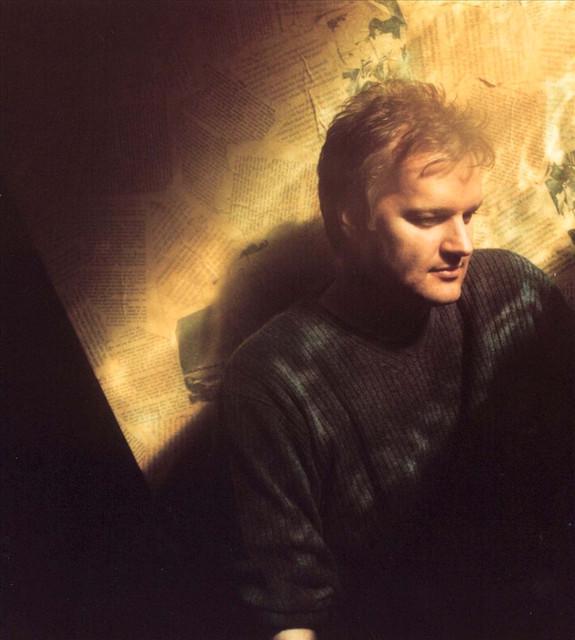
Wayne Kirkpatrick’s Spotify BioEven if you aren't familiar with Wayne Kirkpatrick's name, you undoubtedly are familiar with at least a few of the many hit songs he's written. His works have earned Grammy and Dove awards and been recorded by such artists as Eric Clapton, Faith Hill, Garth Brooks in his Chris Gaines persona, Amy Grant, Martina McBride, Trisha Yearwood, Susan Ashton, and Michael W. Smith, among others. On the heels of a string of successes that included almost two dozen chart-topping singles in the Christian market and a handful of Billboard Top Ten hits, Kirkpatrick set out to record an album of his own. His debut recording, The Maple Room, was released in 2000 by Rocketown Records, the label headed by CCM singer Smith. The release shares its name with the songwriter's Franklin, TN, studio, the place where Brooks' Gaines album was put together. Kirkpatrick's "Wrapped Up in You" was snapped up by Brooks for his album Scarecrow in 2001, and Kirkpatrick also included the song on his debut. "Wrapped Up in… You" is just one of 13 highly personal numbers offered by the songwriter on The Maple Room that were unlikely to be picked up by other artists but were just right for his own leap into the realm of performance. One track in particular, "That's Not New Age," was an answer to those critics who balked at what they perceived as his music's overly new age connotations. A radio disc jockey even went so far as to suggest that the medium boycott Kirkpatrick.
The Louisiana native left his hometown of Alexandria at the age of 14 and headed to Baton Rouge with his family when his dad switched careers, trading in a lucrative career in real estate to pursue life behind the pulpit as a preacher. The move was unsettling for the quiet teen. When he received an impromptu guitar lesson while attending a Florida Bible camp, he latched onto his newly discovered skill, borrowed -- more like completely took over -- his little brother's acoustic guitar, and took his first steps toward making music a fundamental part of his life. When high school let out for the day, he'd closet himself away for hours to work on the guitar and write songs. He took jobs during his youth clerking in a hardware store and working in movie theaters and restaurants, and later studied landscape architecture. But with music strongly calling him, Kirkpatrick headed to Belmont College in Nashville. Younger brother Karey Kirkpatrick, 18 years old at the time and now a Los Angeles screenwriter, headed to Nashville, too, and took on the task of managing his brother's budding musical career. Thanks to his little brother's repeated high praise during an interview with Amy Grant, Kirkpatrick soon had a three-song demo in the hands of the Christian/pop singer's manager. Billy Sprague recorded Kirkpatrick's "What a Way to Go" not long after, and the following year Grant included "Wise Up" on her album Unguarded. The steady beginning to Kirkpatrick's songwriting career ultimately led to his winning Song of the Year in 1996 with "Change the World" at the Grammy Awards. Sung by Clapton, the song was included in the film Phenomenon. In addition, one of Kirkpatrick's songs was featured in the Freddie Prinze Jr. movie Summer Catch, and he penned a jingle that Brooks sang on a Dr. Pepper commercial. ~ Linda Seida, Rovi
Viberate is a music analytics platform built for A&Rs, artist managers, labels, booking agents, marketers, and artists.
It helps music professionals track artist growth, analyze audience data, monitor playlist activity, compare artists, follow song performance, and identify opportunities across the music market.
Public artist pages provide a free preview of selected artist data. Paid plans provide access to deeper analytics, historical data, charts, comparisons, playlist tools, exports, alerts, reports, and additional professional features.
Yes. Public Viberate artist pages provide selected artist analytics and music data for free.
Viberate also offers a 7-day free trial of the full platform. A credit card is required to start the trial. The trial includes access to the complete product so users can test deeper artist analytics, historical views, playlist insights, comparisons, charts, exports, alerts, and reporting features before choosing a paid plan.
Viberate provides artist analytics across streaming, playlists, social media, video, radio airplay, songs, and audience markets.
Users can analyze Spotify performance, Spotify and Apple Music playlists, YouTube activity, TikTok and Instagram growth, radio spins, song performance, audience locations, demographics, rankings, and overall artist momentum.
Artist profiles also connect to music charts, similar artists, and comparison tools, helping users benchmark performance and evaluate artists in context.
Viberate updates key artist and track data daily.
For followed artists and tracks, selected data is refreshed multiple times per day. This helps teams monitor playlist changes, streaming movement, audience growth, releases, and campaign performance with more current data.
Update frequency can vary depending on the metric and data source.
Yes. Viberate lets users compare up to five artists side by side across streaming, social media, audience, and engagement metrics.
Users can compare fanbase growth, audience demographics, locations, Spotify performance, social metrics, and other artist data over selected time periods.
Artist comparison can be used for A&R scouting, benchmarking, booking decisions, campaign planning, and evaluating artists with similar audiences or market positions.