Wayne Hussey

Rock
Pop Rock
Death Rock
 Viberate Rank: 343628
 Viberate Rank: 343628
 Monthly ListenersFollowers
 Subscribers
 Followers
 Followers
 FansTop Spotify Songs
| Track | 7-Day Streams | |
|---|---|---|
1 | 37 | |
2 | 23 | |
3 | 17 | |
4 | 11 | |
5 | 11 |
Top YouTube VideosMonthly ListenersFeatured in Playlists| Playlist | Followers | |
|---|---|---|
1 |  DARK ROCK Orkus! | 4.55K |
2 | The Mission UK - Best Of Aatu Elias | 1.92K |
3 |  Darkwave, EBM, Gothic, New Wave, Future- & Synthpop, Post-Punk Nothumb | 1.48K |
4 |  Deathrock/Post Punk/Batcave The Col | 1.15K |
Audience| City | Monthly Listeners | |
|---|---|---|
1 |  | 3 |
2 |  | 3 |
3 | | 3 |
4 | | 3 |
5 |  | 3 |
See full performance history, audience data, playlist activity, rankings, comparisons, and more in Viberate music analytics. Start with a free trial, then continue with a paid plan.
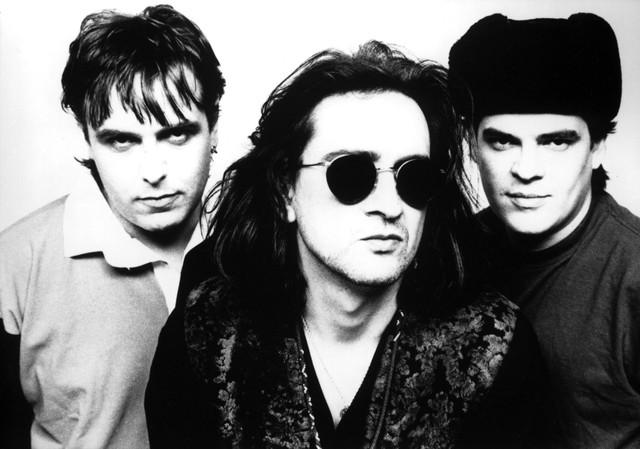
Wayne Hussey’s Spotify BioA former member of Dead or Alive and Sisters of Mercy as well as lead singer and guitarist of the Mission, Wayne Hussey was an instrumental figure in the success of the '80s goth pop/rock scene. Born in Bristol in 1958, he was inspired to take up the guitar by Marc Bolan and T. Rex, forming his first band, Humph, while still at school. Rebelling against his Mormon parents, who wanted him to serve as a missionary, he moved to Liverpool, where he became a regular fixture on the club scene, performing with Penetration's Pauline Murray and punk rock outfit the Invisible Girls. Spotted by Pete Burns, he joined Dead or Alive in 1981, before leaving three years later on the eve of the release of their debut album, Sophisticated Boom Boom, much of which Hussey had co-written. He replaced Ben Gunn in Sisters of Mercy, appearing on their 1985 album, First and Last and Always, before he and bassist Craig Adams drifted away to form their own band, the Mission, due to personal differences with lead… singer Andrew Eldritch. The Mission recorded ten studio albums during a 23-year career, before splitting for the second time in 2008. Hussey had continually worked on solo projects throughout this period, recording an unofficial anthem for Liverpool FC's 2005 Champions League win, performing live with Gary Numan and the Cure, and producing records for Gossamer and Flowers of Romance. In 2009, he released his debut solo album, Bare, featuring new interpretations of the Mission's back catalog and cover versions of tracks by U2, the Beach Boys, and the Babes in Arms show tune "My Funny Valentine." ~ Jon O'Brien
Viberate is a music analytics platform built for A&Rs, artist managers, labels, booking agents, marketers, and artists.
It helps music professionals track artist growth, analyze audience data, monitor playlist activity, compare artists, follow song performance, and identify opportunities across the music market.
Public artist pages provide a free preview of selected artist data. Paid plans provide access to deeper analytics, historical data, charts, comparisons, playlist tools, exports, alerts, reports, and additional professional features.
Yes. Public Viberate artist pages provide selected artist analytics and music data for free.
Viberate also offers a 7-day free trial of the full platform. A credit card is required to start the trial. The trial includes access to the complete product so users can test deeper artist analytics, historical views, playlist insights, comparisons, charts, exports, alerts, and reporting features before choosing a paid plan.
Viberate provides artist analytics across streaming, playlists, social media, video, radio airplay, songs, and audience markets.
Users can analyze Spotify performance, Spotify and Apple Music playlists, YouTube activity, TikTok and Instagram growth, radio spins, song performance, audience locations, demographics, rankings, and overall artist momentum.
Artist profiles also connect to music charts, similar artists, and comparison tools, helping users benchmark performance and evaluate artists in context.
Viberate updates key artist and track data daily.
For followed artists and tracks, selected data is refreshed multiple times per day. This helps teams monitor playlist changes, streaming movement, audience growth, releases, and campaign performance with more current data.
Update frequency can vary depending on the metric and data source.
Yes. Viberate lets users compare up to five artists side by side across streaming, social media, audience, and engagement metrics.
Users can compare fanbase growth, audience demographics, locations, Spotify performance, social metrics, and other artist data over selected time periods.
Artist comparison can be used for A&R scouting, benchmarking, booking decisions, campaign planning, and evaluating artists with similar audiences or market positions.