Wayne Bergeron

Jazz
Smooth Jazz
Big band Jazz
 Viberate Rank: 166215
 Viberate Rank: 166215
 Monthly ListenersFollowers
 Subscribers
 Followers
 Followers
 FansTop Spotify Songs
| Track | 7-Day Streams | |
|---|---|---|
1 | 8.86K | |
2 | 1.91K | |
3 | 1.45K | |
4 | 987 | |
5 | 711 |
Top YouTube Videos| Video | 7-Day Views | |
|---|---|---|
1 | 2 |
Monthly ListenersFeatured in Playlists| Playlist | Followers | |
|---|---|---|
1 |  The Sound of Everything The Sounds of Spotify | 53.81K |
2 |  perfect. Alex | 37.01K |
3 |  High Tempo Jazz Who Sayin | 20.18K |
4 | jazz,funk,soul,blues,afrobeat,latin İlker Özalp | 11.48K |
5 |  Fast Swing Jazz Clint Hess | 9.82K |
Audience| City | Monthly Listeners | |
|---|---|---|
1 | | 268 |
2 | | 264 |
3 | | 229 |
4 | | 205 |
5 |  | 190 |
See full performance history, audience data, playlist activity, rankings, comparisons, and more in Viberate music analytics. Start with a free trial, then continue with a paid plan.
Wayne Bergeron’s Spotify BioTrumpeter Wayne Bergeron is a highly sought-after studio and concert musician with a wealth of recording credits to his name. Blessed with a preternaturally high range, clarion tone, and immense technical skill, Bergeron has dominated the commercial trumpet scene since debuting with Maynard Ferguson's band in the 1980s.
Born in Hartford, Connecticut in 1958, Bergeron moved with his family to Southern California in 1959 and grew up in Los Angeles. Although he started out playing French Horn, by seventh grade he had switched to trumpet. Discovering he had a natural affinity for the high range, Bergeron applied himself to serious trumpet study in junior high and high school.
After high school, Bergeron took his first professional job touring with drummer Buddy Miles. Around this time, he also worked as a performer at Disneyland and earned credits on tracks by Joe Cocker, Jim Devlin, and others.
In 1986, Bergeron got his break after winning the audition for the lead trumpet chair in legendary… trumpeter Maynard Ferguson's big band. With Ferguson, Bergeron appeared on such albums as 1986's Body and Soul, 1990's Big Bop Nouveau, 1998's Brass Attitude, and 2007's The One and Only.
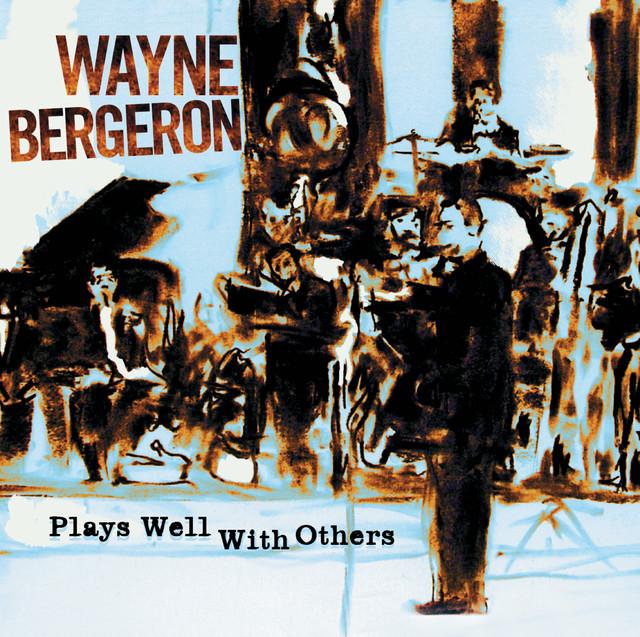
Besides touring and recording with Ferguson, Bergeron has appeared on albums by Jack Sheldon, Neil Diamond, David Benoit, Julio Iglesias, Rosemary Clooney, and others. His trumpet can also be heard on well over 300 film and television soundtracks including Frozen, The Incredibles, Toy Story 3, Despicable Me, Rounders, Superman Returns, and Dreamgirls. As a solo artist, Bergeron has focused primarily on big-band music, beginning with his debut album, 2002's You Call This a Living?, followed by 2007's Plays Well with Others. He then appeared alongside fellow trumpeters David Hickman, Arturo Sandoval, Jens Lindemann, Robert Karon, and James Wilt on 2012's Trumpet Fiesta: A Celebration of Rafael Mendez. In 2016, Bergeron delivered his third studio recording, Full Circle. ~ Matt Collar, Rovi
Viberate is a music analytics platform built for A&Rs, artist managers, labels, booking agents, marketers, and artists.
It helps music professionals track artist growth, analyze audience data, monitor playlist activity, compare artists, follow song performance, and identify opportunities across the music market.
Public artist pages provide a free preview of selected artist data. Paid plans provide access to deeper analytics, historical data, charts, comparisons, playlist tools, exports, alerts, reports, and additional professional features.
Yes. Public Viberate artist pages provide selected artist analytics and music data for free.
Viberate also offers a 7-day free trial of the full platform. A credit card is required to start the trial. The trial includes access to the complete product so users can test deeper artist analytics, historical views, playlist insights, comparisons, charts, exports, alerts, and reporting features before choosing a paid plan.
Viberate provides artist analytics across streaming, playlists, social media, video, radio airplay, songs, and audience markets.
Users can analyze Spotify performance, Spotify and Apple Music playlists, YouTube activity, TikTok and Instagram growth, radio spins, song performance, audience locations, demographics, rankings, and overall artist momentum.
Artist profiles also connect to music charts, similar artists, and comparison tools, helping users benchmark performance and evaluate artists in context.
Viberate updates key artist and track data daily.
For followed artists and tracks, selected data is refreshed multiple times per day. This helps teams monitor playlist changes, streaming movement, audience growth, releases, and campaign performance with more current data.
Update frequency can vary depending on the metric and data source.
Yes. Viberate lets users compare up to five artists side by side across streaming, social media, audience, and engagement metrics.
Users can compare fanbase growth, audience demographics, locations, Spotify performance, social metrics, and other artist data over selected time periods.
Artist comparison can be used for A&R scouting, benchmarking, booking decisions, campaign planning, and evaluating artists with similar audiences or market positions.