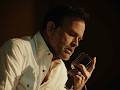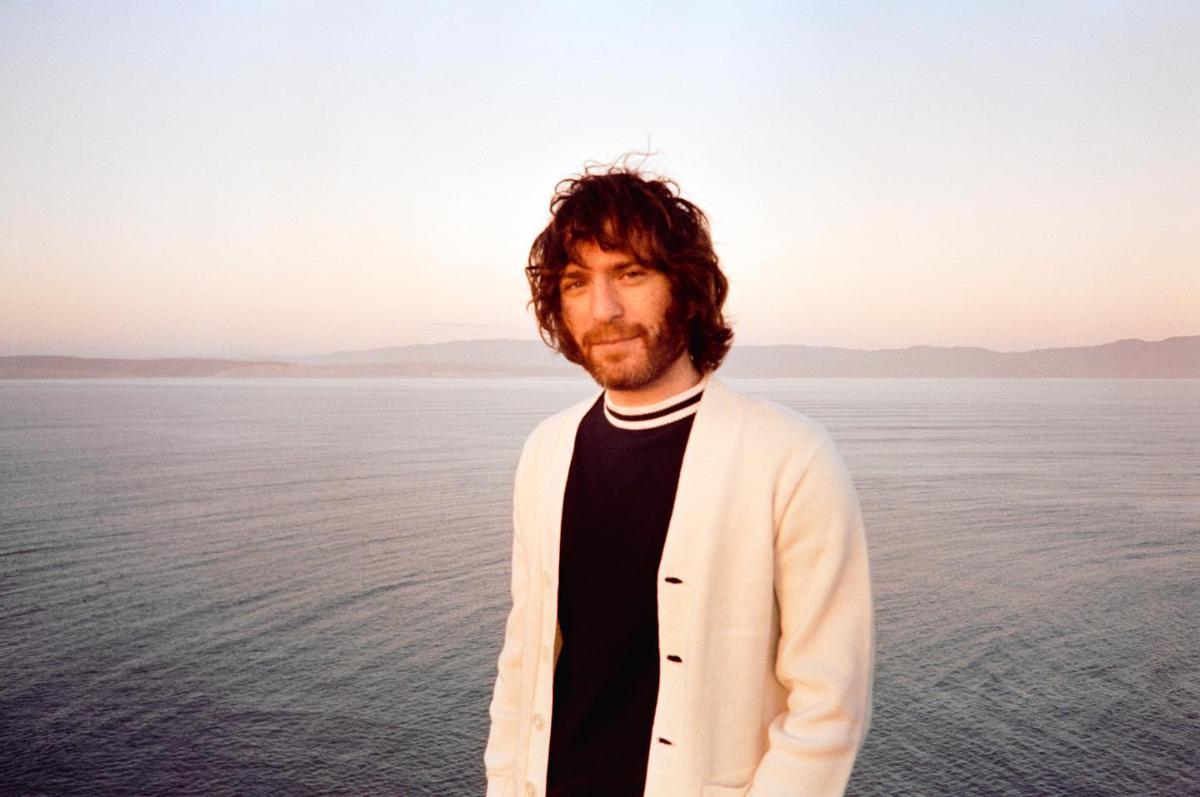
Waylon Payne

Country
Americana/Alt Country
Contemporary Country
 Viberate Rank: 149596
 Viberate Rank: 149596
 Monthly ListenersFollowers
 Subscribers
 Followers
 Followers
 FansTop Spotify SongsTop YouTube VideosMonthly ListenersFeatured in Playlists
| Playlist | Followers | |
|---|---|---|
1 |  Scenic Route Spotify | 625.21K |
2 |  Front Porch Spotify | 240.43K |
3 |  graduation and goodbye🎓 Lauren :) | 51.15K |
4 |  🎸 Americana Rock Revival EMITHA | 17.42K |
5 |  Western AF ( Official Playlist ) Western AF | 15.21K |
Audience| City | Monthly Listeners | |
|---|---|---|
1 | | 427 |
2 | | 382 |
3 | | 372 |
4 | | 299 |
5 | | 286 |
See full performance history, audience data, playlist activity, rankings, comparisons, and more in Viberate music analytics. Start with a free trial, then continue with a paid plan.
Waylon Payne’s Spotify BioA modern-day poetic outlaw, Waylon Payne earned positive notices for his 2003 debut album The Drifter but he wasn't able to immediately capitalize on its good reviews. Instead, he dabbled in acting -- he appeared in the 2005 Johnny Cash biopic Walk the Line -- as he struggled with personal problems, eventually re-emerging in 2020 to widespread acclaim for his song cycle Blue Eyes, The Harlot, The Queer, The Pusher & Me.
Waylon Payne is the son of Jody Payne, a guitarist in Willie Nelson's band, and country singer Sammi Smith; he was named after his godfather, Waylon Jennings. He began his career writing songs and playing with other musicians. Notably, he placed "Elvis" and "Sing 'Til I Stop Crying" on Pat Green's album Wave on Wave in 2003, also singing and playing guitar on the disc. He had already finished recording his own album, The Drifter, without a label deal and was playing with Nelson in New York when Green suggested he play the record for Green's label, Republic/Universal.… Payne was signed to the label, which released The Drifter on June 22, 2004. It attracted critical praise and was tapped by other artists for material. Django Walker put "Her (She's Gone)" on his album Six Trips Around the World, and "The Bottom" was covered by both Keith Gattis, producer of The Drifter (on Big City Blues, for which Payne sang background vocals), and Charlie Robison (on Good Times). Payne, also an aspiring actor, was cast in the role of Jerry Lee Lewis in the Johnny Cash biopic Walk the Line, which opened in 2005. Payne's appearance on the soundtrack album allowed him to share the Grammy Award won by the disc. He was next cast in the starring role of Hank Garland in the 2006 biopic Crazy. CBuJ Entertainment reissued The Drifter on March 11, 2008.
Payne spent the 2010s working behind the scenes as a songwriter and supporting musician. Additionally, he spent some time battling addiction, getting clean by the end of the decade. He re-emerged as a performing artist in 2020 with the acclaimed album Blue Eyes, The Harlot, The Queer, The Pusher & Me. ~ William Ruhlmann, Rovi
Viberate is a music analytics platform built for A&Rs, artist managers, labels, booking agents, marketers, and artists.
It helps music professionals track artist growth, analyze audience data, monitor playlist activity, compare artists, follow song performance, and identify opportunities across the music market.
Public artist pages provide a free preview of selected artist data. Paid plans provide access to deeper analytics, historical data, charts, comparisons, playlist tools, exports, alerts, reports, and additional professional features.
Yes. Public Viberate artist pages provide selected artist analytics and music data for free.
Viberate also offers a 7-day free trial of the full platform. A credit card is required to start the trial. The trial includes access to the complete product so users can test deeper artist analytics, historical views, playlist insights, comparisons, charts, exports, alerts, and reporting features before choosing a paid plan.
Viberate provides artist analytics across streaming, playlists, social media, video, radio airplay, songs, and audience markets.
Users can analyze Spotify performance, Spotify and Apple Music playlists, YouTube activity, TikTok and Instagram growth, radio spins, song performance, audience locations, demographics, rankings, and overall artist momentum.
Artist profiles also connect to music charts, similar artists, and comparison tools, helping users benchmark performance and evaluate artists in context.
Viberate updates key artist and track data daily.
For followed artists and tracks, selected data is refreshed multiple times per day. This helps teams monitor playlist changes, streaming movement, audience growth, releases, and campaign performance with more current data.
Update frequency can vary depending on the metric and data source.
Yes. Viberate lets users compare up to five artists side by side across streaming, social media, audience, and engagement metrics.
Users can compare fanbase growth, audience demographics, locations, Spotify performance, social metrics, and other artist data over selected time periods.
Artist comparison can be used for A&R scouting, benchmarking, booking decisions, campaign planning, and evaluating artists with similar audiences or market positions.