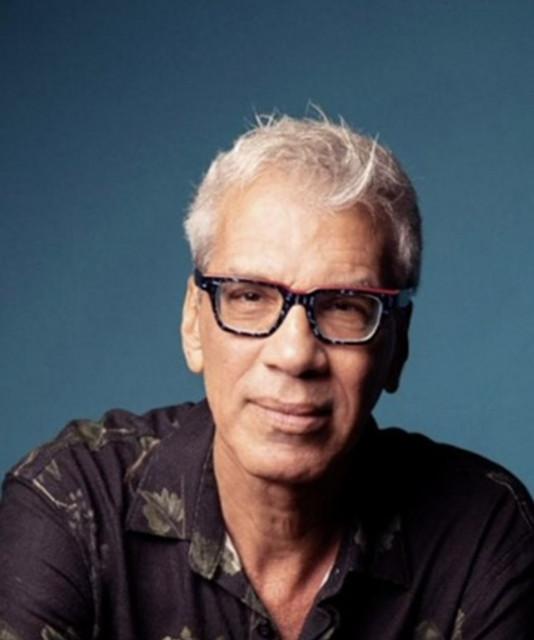
Wanda Sá

Latin
Other Latin Music
Bossa Nova
 Viberate Rank: 142214
 Viberate Rank: 142214
 Monthly ListenersFollowers
 Subscribers
 Followers
 Followers
 FansTop Spotify Songs
| Track | 7-Day Streams | |
|---|---|---|
1 | 30.19K | |
2 | 22.73K | |
3 | 4.96K | |
4 | 3.84K | |
5 | 1.38K |
Top YouTube VideosMonthly ListenersFeatured in Playlists| Playlist | Followers | |
|---|---|---|
1 |  Bossa Nova Classics Spotify | 667.14K |
2 |  Café Bossa Spotify | 282.52K |
3 | Bosanova relax criss_pinto | 52.15K |
4 | BRASIL BOSSA NOVA Tutinha Carvalho | 45.33K |
5 |  BOSSA NOVA ESPAÑOL juan carcamo | 36.52K |
Audience| City | Monthly Listeners | |
|---|---|---|
1 | | 5.05K |
2 |  | 3.71K |
3 | | 2.94K |
4 |  | 2.87K |
5 |  | 1.68K |
See full performance history, audience data, playlist activity, rankings, comparisons, and more in Viberate music analytics. Start with a free trial, then continue with a paid plan.
Wanda Sá’s Spotify BioWhen at 13 she enrolled at Roberto Menescal's guitar academy, Wanda Sá (also known as Wanda de Sah), a successful bossa nova artist, was spotted by Ronaldo Bôscoli and invited to appear on the programs Dois no Balanço (TV Excelsior) and O Fino da Bossa (TV Record). Starting her professional career at 19 with Wanda Vagamente (1964), one of the earliest arranging assignments by Eumir Deodato, Sá launched "Inútil Paisagem" (Tom Jobim/Aloysio de Oliveira) and the earliest compositions by Edú Lobo, Francis Hime, and Marcos Valle. The album, launched at the Fino da Bossa show (at the Paramount Theater in São Paulo), was a success (having been reissued in Japan in the decade of the 2000s) and had a hit with "Vagamente" (Roberto Menescal/Ronaldo Bôscoli). By the end of the same year, she joined Sérgio Mendes' Brasil '65 (with Rosinha de Valença and Jorge Ben Jor), realizing successful shows in Brazil and the U.S., where Brasil '65 was recorded (with the participation of Bud Shank and the… Sérgio Mendes Trio). She also recorded in the U.S. the solo Softly and performed both in Brazil and the U.S. with the Sérgio Mendes Trio. In 1966, she returned to Brazil where she did shows with Baden Powell, Vinícius de Moraes, Mièle, Luís Carlos Vinhas, and the Bossa 3. In 1969, Sá participated in Paul Desmond's Hot Summer. Married to Edú Lobo from 1969 to 1982, a period in which she left the scene, Sá returned in the late '80s, performing shows with Roberto Menescal and Mièle, recording Brasileiras in 1994 with Célia Vaz. In 2000, she recorded with Luís Carlos Vinhas, Tião Neto, and João Cortez the CD Wanda Sá & Bossa Três with bossa nova classics and new compositions. Four successful seasons at the Sabbata Tokyo turned the CD Wanda Vagamente into a hit, having reached second place on the top charts. In 2001, she participated with Roberto Menescal, Marcos Valle, and Danilo Caymmi in the Fare Festival (Pavia, Italy). ~ Alvaro Neder, Rovi
Viberate is a music analytics platform built for A&Rs, artist managers, labels, booking agents, marketers, and artists.
It helps music professionals track artist growth, analyze audience data, monitor playlist activity, compare artists, follow song performance, and identify opportunities across the music market.
Public artist pages provide a free preview of selected artist data. Paid plans provide access to deeper analytics, historical data, charts, comparisons, playlist tools, exports, alerts, reports, and additional professional features.
Yes. Public Viberate artist pages provide selected artist analytics and music data for free.
Viberate also offers a 7-day free trial of the full platform. A credit card is required to start the trial. The trial includes access to the complete product so users can test deeper artist analytics, historical views, playlist insights, comparisons, charts, exports, alerts, and reporting features before choosing a paid plan.
Viberate provides artist analytics across streaming, playlists, social media, video, radio airplay, songs, and audience markets.
Users can analyze Spotify performance, Spotify and Apple Music playlists, YouTube activity, TikTok and Instagram growth, radio spins, song performance, audience locations, demographics, rankings, and overall artist momentum.
Artist profiles also connect to music charts, similar artists, and comparison tools, helping users benchmark performance and evaluate artists in context.
Viberate updates key artist and track data daily.
For followed artists and tracks, selected data is refreshed multiple times per day. This helps teams monitor playlist changes, streaming movement, audience growth, releases, and campaign performance with more current data.
Update frequency can vary depending on the metric and data source.
Yes. Viberate lets users compare up to five artists side by side across streaming, social media, audience, and engagement metrics.
Users can compare fanbase growth, audience demographics, locations, Spotify performance, social metrics, and other artist data over selected time periods.
Artist comparison can be used for A&R scouting, benchmarking, booking decisions, campaign planning, and evaluating artists with similar audiences or market positions.