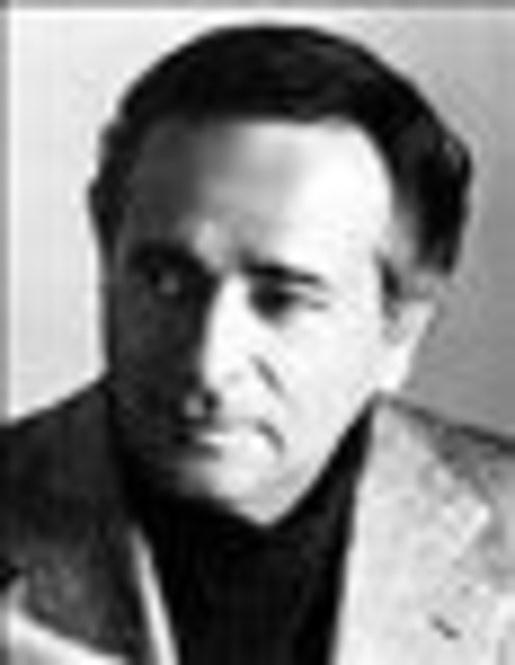
Walter Susskind

Classical
Orchestral
Chamber Music
 Viberate Rank: 424053
 Viberate Rank: 424053
 Monthly ListenersFollowers
 Subscribers
 Followers
 Followers
 FansTop Spotify Songs
| Track | 7-Day Streams | |
|---|---|---|
1 | 3.53K | |
2 | 1.57K | |
3 | 333 | |
4 | 304 | |
5 | 172 |
Top YouTube VideosMonthly ListenersFeatured in Playlists| Playlist | Followers | |
|---|---|---|
1 |  Best of Klassik - Klassische Musik die jeder kennt The Sound Of | 69.47K |
2 |  Classic FM Relax ruthscrim | 12.01K |
3 | ADAGIOS INMORTALES Franco Marinelli | 10.89K |
4 |  Romantic Classical E. McNeil | 9.47K |
5 |  Curse of Strahd - Atmosphere Dominik Roth | 8.51K |
Audience| City | Monthly Listeners | |
|---|---|---|
1 | | 299 |
2 |  | 165 |
3 |  | 145 |
4 |  | 136 |
5 |  | 125 |
See full performance history, audience data, playlist activity, rankings, comparisons, and more in Viberate music analytics. Start with a free trial, then continue with a paid plan.
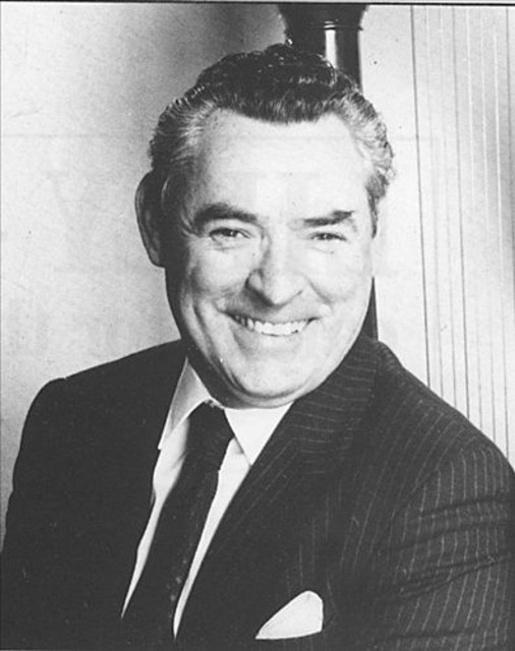
Walter Susskind’s Spotify BioThis famed conductor, born Jan Süsskind, studied composition with Josef Suk and Alois Hába, and piano with Karel Hoffmeister at the Prague State Conservatory. His training in conducting was undertaken with Szell at the German Academy of Music.
In 1931, he premiered a composition and appeared in concert as a pianist at the Prague Mozarteum. His conducting debut was made in 1934 with a production of La traviata at the German Opera, where he had been serving as an assistant to Szell. He composed his Four Songs for Voice and String Quartet in 1935 and continued his piano activity with the Czech Trio from 1933 until the German occupation in 1938. The trio then escaped to London and remained together until 1942.
Süsskind re-activated his conducting as music director of the Carl Rosa Opera Company (1943 - 1945) and made his orchestral debut conducting the Liverpool Philharmonic Orchestra (1945). After becoming a British citizen in 1946, he went to Glasgow to serve as music director for the… Scottish Orchestra (later the Scottish National Orchestra).
In 1953, Süsskind moved to Australia to direct the Victoria Symphony Orchestra in Melbourne until 1955. During that period, he made tours of America and the Far East. Then, moving again, he directed the Toronto Symphony Orchestra from 1956 to 1965, giving the Canadian premieres of Bruckner and Mahler symphonies, and founded the National Youth Orchestra of Canada in 1958. Meanwhile, he was music director for the Aspen Music Festival in Colorado (1962 - 1968) and later, the St. Louis Symphony Orchestra (1968 - 1975), which Süsskind built into a major institution, and the Mississippi River Festival in Edwardsville, IL (1969 - 1975). From 1968 through 1975, Süsskind taught at the University of Southern Illinois. His conducting students included Leonard Slatkin and Gerhardt Zimmermann. His compositions at this time included Nine Slovak Sketches for Orchestra and a Passacaglia for Timpani and Chamber Orchestra (1977).
As guest conductor, Süsskind led major orchestras in Europe, the U.K., and North America. He was the music advisor and principal guest conductor of the Cincinnati Orchestra from 1978 until his passing in 1980.
Süsskind's discography contains more than 55 albums and performances with some of the most noted performers of the twentieth century: Jascha Heifetz, Arthur Rubenstein, Glenn Gould, Dennis Brain, Pierre Fournier, Joan Hammond, Elisabeth Schwarzkopf, Kirsten Flagstad, Lili Krauss, Szymon Goldberg, Yehudi Menuhin, Artur Schnabel, Leonard Pennario, Shura Cherkassky, Neveu, Tito Gobbi, Victoria de Los Angeles, and many others.
Viberate is a music analytics platform built for A&Rs, artist managers, labels, booking agents, marketers, and artists.
It helps music professionals track artist growth, analyze audience data, monitor playlist activity, compare artists, follow song performance, and identify opportunities across the music market.
Public artist pages provide a free preview of selected artist data. Paid plans provide access to deeper analytics, historical data, charts, comparisons, playlist tools, exports, alerts, reports, and additional professional features.
Yes. Public Viberate artist pages provide selected artist analytics and music data for free.
Viberate also offers a 7-day free trial of the full platform. A credit card is required to start the trial. The trial includes access to the complete product so users can test deeper artist analytics, historical views, playlist insights, comparisons, charts, exports, alerts, and reporting features before choosing a paid plan.
Viberate provides artist analytics across streaming, playlists, social media, video, radio airplay, songs, and audience markets.
Users can analyze Spotify performance, Spotify and Apple Music playlists, YouTube activity, TikTok and Instagram growth, radio spins, song performance, audience locations, demographics, rankings, and overall artist momentum.
Artist profiles also connect to music charts, similar artists, and comparison tools, helping users benchmark performance and evaluate artists in context.
Viberate updates key artist and track data daily.
For followed artists and tracks, selected data is refreshed multiple times per day. This helps teams monitor playlist changes, streaming movement, audience growth, releases, and campaign performance with more current data.
Update frequency can vary depending on the metric and data source.
Yes. Viberate lets users compare up to five artists side by side across streaming, social media, audience, and engagement metrics.
Users can compare fanbase growth, audience demographics, locations, Spotify performance, social metrics, and other artist data over selected time periods.
Artist comparison can be used for A&R scouting, benchmarking, booking decisions, campaign planning, and evaluating artists with similar audiences or market positions.