Walter Subject

Rock
Alternative Rock
Indie Rock
 Viberate Rank: 440429
 Viberate Rank: 440429
 Monthly ListenersFollowers
 Subscribers
 Followers
 Followers
 FansTop Spotify Songs
| Track | 7-Day Streams | |
|---|---|---|
1 | 416 | |
2 | 7 | |
3 | 7 | |
4 | 2 | |
5 | 2 |
Top YouTube VideosMonthly ListenersFeatured in Playlists| Playlist | Followers | |
|---|---|---|
1 | Coachella 2011 : Collaborative playlist Simon Boichot | 1.96K |
2 |  Mood : Alt-Rock LiSound | 1.38K |
3 | Fresh Pop 2018 OHYESSHESABITCHBUTNOTYOURS | 1.27K |
4 | Inspirational Talking Songs Collaborative Playlist Kyndle Katrina | 1.15K |
Audience| City | Monthly Listeners | |
|---|---|---|
1 | | 20 |
2 | | 12 |
3 |  | 11 |
4 | | 10 |
5 |  | 5 |
See full performance history, audience data, playlist activity, rankings, comparisons, and more in Viberate music analytics. Start with a free trial, then continue with a paid plan.
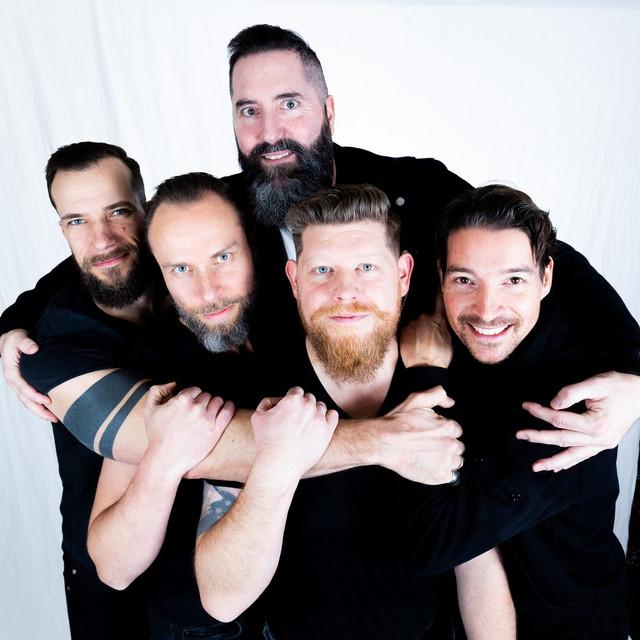
Walter Subject’s Spotify BioWalter Subject are: Marc Ruff: Vocals, Manuel Randecker: Guitar, Dominik Prause: Guitar, Christoph Kluck: Bass and Brad Chainsaw: Drums
Tons of guitars, amps to 11, sweat running, beat beating, arms up, legs moving, wall of bass rumbling, hips shaking, heads moving…
JUST DANCE LIKE NOBODY'S WATCHING!
That is the title of the second album of Walter Subject released on the 27th of January 2017. The title says it all. Anybody who can listen to this music without moving is either deaf, dumb or too trunk ;)
After the successful debuting album, We Are The Subjects, released in 2013 with numerous airplays (e.g. DASDING) and video rotations (e.g. Tape.tv, IM1) Walter Subject had been on tour for quite a while. „That’s what we do best. On stage we are 111% of energy!“ On countless club shows in Germany, England, France and Switzerland and after playing great festivals (e.g. SouthSide, Campus Festival Cologne) Walter Subject worked out their perfect mixture of Rock’n’Roll and Dance and Dirt: High… Performance Rock’n’Roll.
2017 was another milestone of the bands history – Walter Subject released their second album JUST DANCE LIKE NOBODY'S WATCHING. This new longplayer is like pedal to the metal right through the next road movie. Even more intensive and danceable than its predecessor Walter Subject are delivering the soundtrack for the full-tilt-moments in life…
March 2022 will see the next Walter Subject album release: S I G N A L S - Be prepared!!
Viberate is a music analytics platform built for A&Rs, artist managers, labels, booking agents, marketers, and artists.
It helps music professionals track artist growth, analyze audience data, monitor playlist activity, compare artists, follow song performance, and identify opportunities across the music market.
Public artist pages provide a free preview of selected artist data. Paid plans provide access to deeper analytics, historical data, charts, comparisons, playlist tools, exports, alerts, reports, and additional professional features.
Yes. Public Viberate artist pages provide selected artist analytics and music data for free.
Viberate also offers a 7-day free trial of the full platform. A credit card is required to start the trial. The trial includes access to the complete product so users can test deeper artist analytics, historical views, playlist insights, comparisons, charts, exports, alerts, and reporting features before choosing a paid plan.
Viberate provides artist analytics across streaming, playlists, social media, video, radio airplay, songs, and audience markets.
Users can analyze Spotify performance, Spotify and Apple Music playlists, YouTube activity, TikTok and Instagram growth, radio spins, song performance, audience locations, demographics, rankings, and overall artist momentum.
Artist profiles also connect to music charts, similar artists, and comparison tools, helping users benchmark performance and evaluate artists in context.
Viberate updates key artist and track data daily.
For followed artists and tracks, selected data is refreshed multiple times per day. This helps teams monitor playlist changes, streaming movement, audience growth, releases, and campaign performance with more current data.
Update frequency can vary depending on the metric and data source.
Yes. Viberate lets users compare up to five artists side by side across streaming, social media, audience, and engagement metrics.
Users can compare fanbase growth, audience demographics, locations, Spotify performance, social metrics, and other artist data over selected time periods.
Artist comparison can be used for A&R scouting, benchmarking, booking decisions, campaign planning, and evaluating artists with similar audiences or market positions.