Walter Becker

Rock
Pop Rock
Folk Rock
 Viberate Rank: 168485
 Viberate Rank: 168485
 Monthly ListenersFollowers
 Subscribers
 Followers
 Followers
 FansTop Spotify Songs
| Track | 7-Day Streams | |
|---|---|---|
1 | 1.75K | |
2 | 1.52K | |
3 | 995 | |
4 | 812 | |
5 | 617 |
Top YouTube VideosMonthly ListenersFeatured in Playlists| Playlist | Followers | |
|---|---|---|
1 |  Steely Dan Best Of Steely Dan | 19.80K |
2 |  JoJo Music References Lasernatoo | 18.18K |
3 |  enya and drew’s media erika | 14.71K |
4 |  Psychedelic Rock Aryna Livadari | 10.95K |
5 | The Best of Soul/Motown Johan Zaar | 6.92K |
Audience| City | Monthly Listeners | |
|---|---|---|
1 |  | 199 |
2 | | 195 |
3 | | 184 |
4 | | 172 |
5 |  | 149 |
See full performance history, audience data, playlist activity, rankings, comparisons, and more in Viberate music analytics. Start with a free trial, then continue with a paid plan.
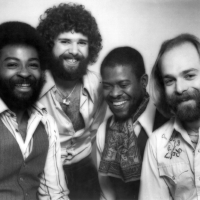
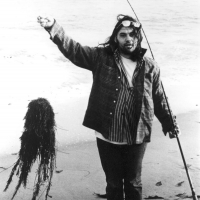
Walter Becker’s Spotify BioWalter Becker (Feb. 20, 1950 - Sept. 03, 2017), was an American musician, songwriter, guitarist, bassist & record producer. In 1971, Walter Becker and his partner Donald Fagen formed the jazz-rock band Steely Dan, creating music that was highly regarded by critics and fellow musicians alike. His partnership with Fagen produced music that sustained a devoted audience for over 40 years, & his solo output enjoyed uncommon critical success.
Steely Dan sold more than 40 million albums worldwide & helped define the soundtrack of the '70s with hits such as "Reelin' in the Years," "Rikki Don't Lose That Number," "F.M.," "Peg," "Hey Nineteen," "Deacon Blues," & "Babylon Sisters," culled from seven platinum albums issued between 1972 and 1980 (including 1977's groundbreaking Aja). They reunited in the early '90s, launching over a dozen sold-out tours which continued into 2017.
In 2000 they released the multi-Grammy winner (including Album of the Year) Two Against Nature, and followed with the… acclaimed Everything Must Go in 2003. They received The ASCAP Founder's Award in 2000 and were inducted into the Rock & Roll Hall of Fame in 2001.
Walter's solo releases include 1994's 11 Tracks of Whack, which was featured in Jon Pareles' (New York Times) Top Ten list for the year. Its long-awaited follow-up, Circus Money (2008), became an instant classic among critics and fans. Currently, Becker's Estate is offering free, hi-fidelity downloads of unreleased tracks at walterbeckermedia.com
Viberate is a music analytics platform built for A&Rs, artist managers, labels, booking agents, marketers, and artists.
It helps music professionals track artist growth, analyze audience data, monitor playlist activity, compare artists, follow song performance, and identify opportunities across the music market.
Public artist pages provide a free preview of selected artist data. Paid plans provide access to deeper analytics, historical data, charts, comparisons, playlist tools, exports, alerts, reports, and additional professional features.
Yes. Public Viberate artist pages provide selected artist analytics and music data for free.
Viberate also offers a 7-day free trial of the full platform. A credit card is required to start the trial. The trial includes access to the complete product so users can test deeper artist analytics, historical views, playlist insights, comparisons, charts, exports, alerts, and reporting features before choosing a paid plan.
Viberate provides artist analytics across streaming, playlists, social media, video, radio airplay, songs, and audience markets.
Users can analyze Spotify performance, Spotify and Apple Music playlists, YouTube activity, TikTok and Instagram growth, radio spins, song performance, audience locations, demographics, rankings, and overall artist momentum.
Artist profiles also connect to music charts, similar artists, and comparison tools, helping users benchmark performance and evaluate artists in context.
Viberate updates key artist and track data daily.
For followed artists and tracks, selected data is refreshed multiple times per day. This helps teams monitor playlist changes, streaming movement, audience growth, releases, and campaign performance with more current data.
Update frequency can vary depending on the metric and data source.
Yes. Viberate lets users compare up to five artists side by side across streaming, social media, audience, and engagement metrics.
Users can compare fanbase growth, audience demographics, locations, Spotify performance, social metrics, and other artist data over selected time periods.
Artist comparison can be used for A&R scouting, benchmarking, booking decisions, campaign planning, and evaluating artists with similar audiences or market positions.