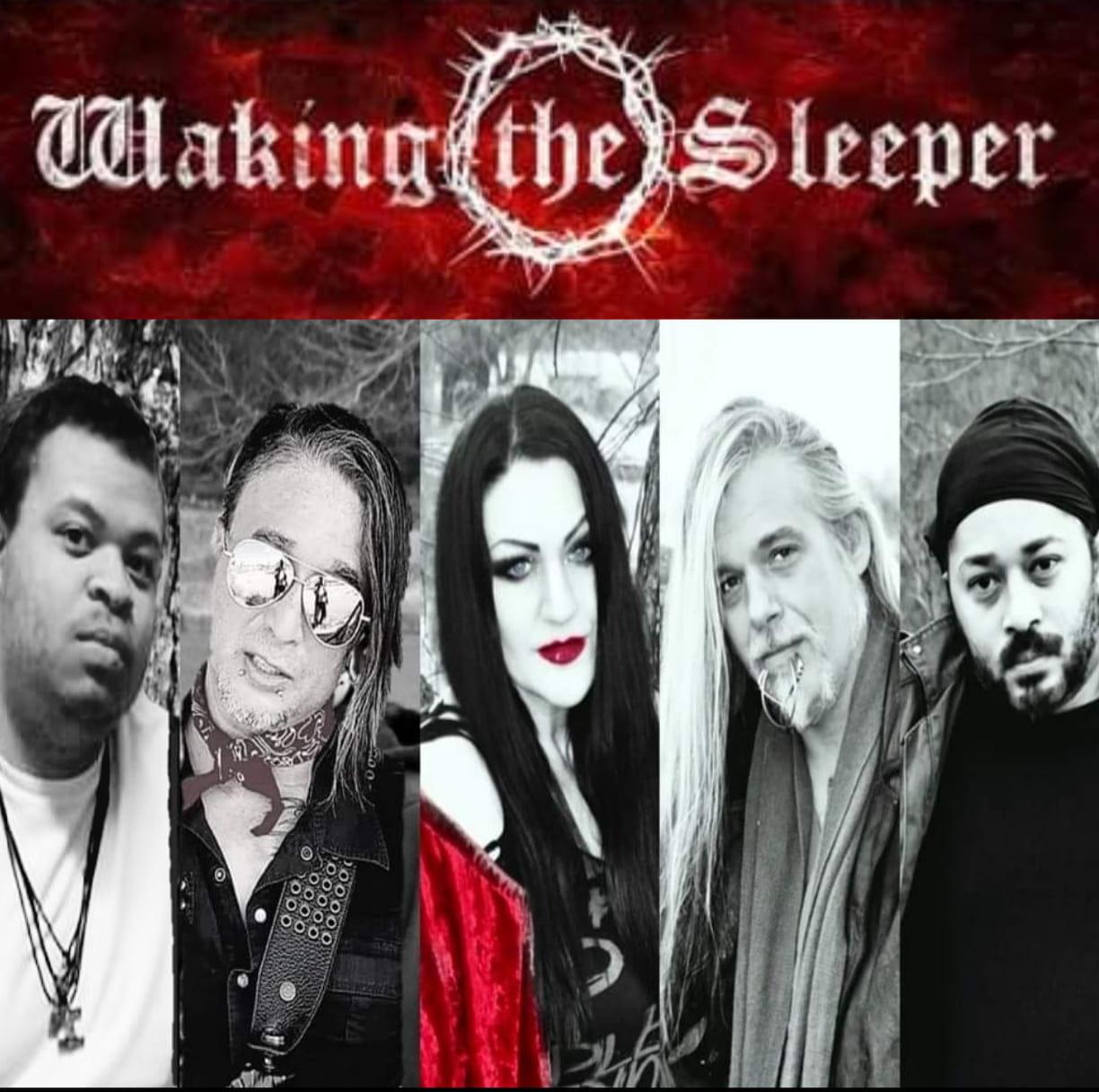
Waking the Sleeper

Metal
Heavy Metal
 Viberate Rank: 525283
 Viberate Rank: 525283
 Monthly ListenersFollowers
 Subscribers
 Followers
 Followers
 FansTop YouTube Videos
| Video | 7-Day Views | |
|---|---|---|
1 | 9 | |
2 | 8 | |
3 | 6 | |
4 | 3 | |
5 | 2 |
Monthly ListenersFeatured in Playlists| Playlist | Followers | |
|---|---|---|
1 |  Blue Ridge Rock Fest 2023 Andrew Wohlschlegel | 2.44K |
2 |  Female Fronted Extreme Andreas Ottenhofen | 1.38K |
Audience| City | Monthly Listeners | |
|---|---|---|
1 | | 5 |
2 | | 4 |
3 | | 3 |
4 | | 3 |
5 | | 3 |
See full performance history, audience data, playlist activity, rankings, comparisons, and more in Viberate music analytics. Start with a free trial, then continue with a paid plan.
Waking the Sleeper’s Spotify BioBand Members:
Raven Le Rouge-Lead Singer
MissElizabeth-Keys/Co-Vocalist
Seth Williams-Lead Guitar
Dylan Tolan-Rhythm Guitar
William Akin-Bass Guitar
Waking the Sleeper is a Wichita, KS Female Fronted National Touring Metal Band.
Formed in 2017 by Lead Vocalist Raven Le Rouge. The Debut Concept album, "7 Deadly Sins", was Released in November 2018 & Re-Released under Sony Orchard June 2024. The singles "Wrath" and "Greed" hit charts for several weeks in a row and continues to receive rave reviews around the world!
Waking the Sleeper has received several awards: 2017 RRR Award for New and Upcoming Band of the Year, 2017 2nd Place for Vocalist of the Year, 2018 Tulsa Music Awards Nominee for Home Away From Home Award.
As a National Metal Act, Waking the Sleeper has had the opportunity to Tour the East Coast, Midwest and do a West Coast Tour. To date has played in 17 U.S. States. Performed with International/National acts/artist: Drowning Pool, Dope, Combi Christ, Otep, Sick Puppies, September… Mourning, Green Jello and more..!
Performed several U.S. Festivals including Rocklahoma Darkside Stage Festival (2017, 2018, 2019), Metal in the Mountains Festival 2019, Blue Ridge Rock Festival 2023.
Waking the Sleeper's Sophomore Album "FREQUENCIES" is due to be released by early fall 2025!
With the 1st single "Fadin" released August 24' and the recent 2nd released single "Pieces" May 25'!
https://linktr.ee/wakingthesleeperofficial
Booking:
wakingthesleeper@yahoo.com
Viberate is a music analytics platform built for A&Rs, artist managers, labels, booking agents, marketers, and artists.
It helps music professionals track artist growth, analyze audience data, monitor playlist activity, compare artists, follow song performance, and identify opportunities across the music market.
Public artist pages provide a free preview of selected artist data. Paid plans provide access to deeper analytics, historical data, charts, comparisons, playlist tools, exports, alerts, reports, and additional professional features.
Yes. Public Viberate artist pages provide selected artist analytics and music data for free.
Viberate also offers a 7-day free trial of the full platform. A credit card is required to start the trial. The trial includes access to the complete product so users can test deeper artist analytics, historical views, playlist insights, comparisons, charts, exports, alerts, and reporting features before choosing a paid plan.
Viberate provides artist analytics across streaming, playlists, social media, video, radio airplay, songs, and audience markets.
Users can analyze Spotify performance, Spotify and Apple Music playlists, YouTube activity, TikTok and Instagram growth, radio spins, song performance, audience locations, demographics, rankings, and overall artist momentum.
Artist profiles also connect to music charts, similar artists, and comparison tools, helping users benchmark performance and evaluate artists in context.
Viberate updates key artist and track data daily.
For followed artists and tracks, selected data is refreshed multiple times per day. This helps teams monitor playlist changes, streaming movement, audience growth, releases, and campaign performance with more current data.
Update frequency can vary depending on the metric and data source.
Yes. Viberate lets users compare up to five artists side by side across streaming, social media, audience, and engagement metrics.
Users can compare fanbase growth, audience demographics, locations, Spotify performance, social metrics, and other artist data over selected time periods.
Artist comparison can be used for A&R scouting, benchmarking, booking decisions, campaign planning, and evaluating artists with similar audiences or market positions.