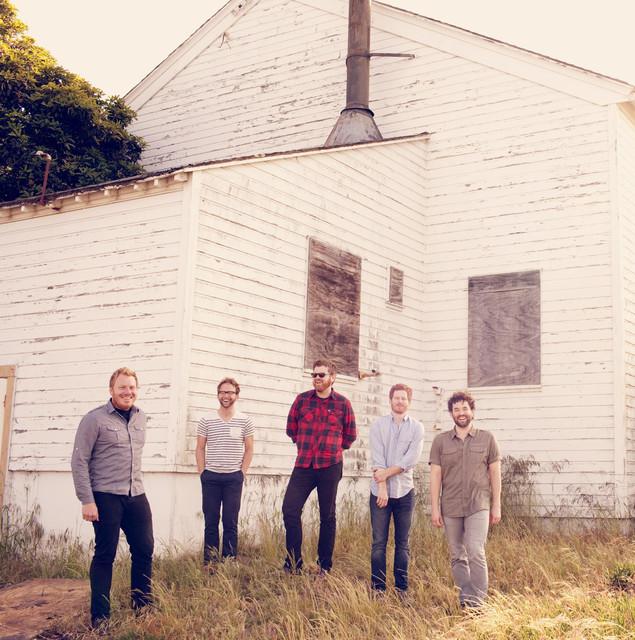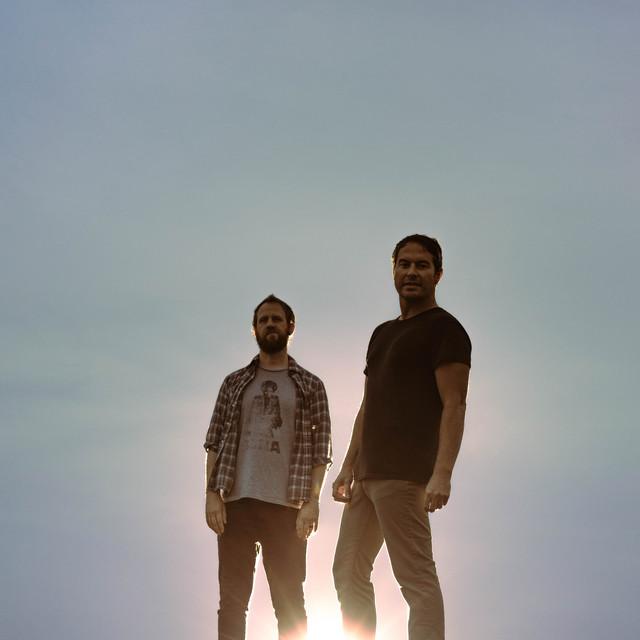
Waking Ashland

Rock
Alternative Rock
Indie Rock
 Viberate Rank: 343599
 Viberate Rank: 343599
 Monthly ListenersFollowers
 Subscribers
 Followers
 Followers
 FansTop Spotify Songs
| Track | 7-Day Streams | |
|---|---|---|
1 | 913 | |
2 | 463 | |
3 | 218 | |
4 | 195 | |
5 | 148 |
Top YouTube Videos| Video | 7-Day Views | |
|---|---|---|
1 | 98 | |
2 | 42 |
Monthly ListenersFeatured in Playlists| Playlist | Followers | |
|---|---|---|
1 |  PHASE - 2000s emo throwbacks Jesea Lee | 39.77K |
2 |  Teenage Anthems Peter van den Hout | 3.59K |
3 | songs that made me sad #eldersemos Katrina Cahill | 2.92K |
4 |  mEMOry lane (Pop Punk/Emo/Alt Rock Throwbacks & Discoveries) Derrik Schiersing | 2.03K |
5 |  I'm a sucker for piano pop Eelke de Blouw | 1.85K |
Audience| City | Monthly Listeners | |
|---|---|---|
1 | | 61 |
2 | | 58 |
3 | | 48 |
4 | | 47 |
5 | | 46 |
See full performance history, audience data, playlist activity, rankings, comparisons, and more in Viberate music analytics. Start with a free trial, then continue with a paid plan.
Waking Ashland’s Spotify BioSince its inception, Waking Ashland -- drawing much of its sound from Ben Folds -- has mainly centered around vocalist/keyboardist Jonathan Jones and guitarist Ryan Lallier, who originally formed the band along with drummer Thomas Lee in November 2003 while all three were music majors at California State University. Robert Teegarden temporarily filled in on bass. In early 2004, they self-released their debut EP, I Am for You, while the lineup was completed by guitarist Nick Rucker and bassist Derek Vaughn replacing Teegarden. Rucker and Vaughn soon left the band and bassist Andrew Grosse joined. The bandmembers dropped out of college when finding success with the record and garnering attention from several record labels. Tooth & Nail signed Waking Ashland and released the full-length Composure in May 2005. In September 2005, Grosse and Lee left the band. Without permanent replacements, Jones and Lallier used temporary touring members that included drummer Joe Greenetz from Sherwood and… bassist Trevor Sellers from Number One Gun. In June 2006 Waking Ashland released the Telescopes EP on Immortal. Their next full-length, The Well, appeared the following April, which featured new recruits Nathan Harold (bass) and Tim Very (drums). ~ Kenyon Hopkin, Rovi
Viberate is a music analytics platform built for A&Rs, artist managers, labels, booking agents, marketers, and artists.
It helps music professionals track artist growth, analyze audience data, monitor playlist activity, compare artists, follow song performance, and identify opportunities across the music market.
Public artist pages provide a free preview of selected artist data. Paid plans provide access to deeper analytics, historical data, charts, comparisons, playlist tools, exports, alerts, reports, and additional professional features.
Yes. Public Viberate artist pages provide selected artist analytics and music data for free.
Viberate also offers a 7-day free trial of the full platform. A credit card is required to start the trial. The trial includes access to the complete product so users can test deeper artist analytics, historical views, playlist insights, comparisons, charts, exports, alerts, and reporting features before choosing a paid plan.
Viberate provides artist analytics across streaming, playlists, social media, video, radio airplay, songs, and audience markets.
Users can analyze Spotify performance, Spotify and Apple Music playlists, YouTube activity, TikTok and Instagram growth, radio spins, song performance, audience locations, demographics, rankings, and overall artist momentum.
Artist profiles also connect to music charts, similar artists, and comparison tools, helping users benchmark performance and evaluate artists in context.
Viberate updates key artist and track data daily.
For followed artists and tracks, selected data is refreshed multiple times per day. This helps teams monitor playlist changes, streaming movement, audience growth, releases, and campaign performance with more current data.
Update frequency can vary depending on the metric and data source.
Yes. Viberate lets users compare up to five artists side by side across streaming, social media, audience, and engagement metrics.
Users can compare fanbase growth, audience demographics, locations, Spotify performance, social metrics, and other artist data over selected time periods.
Artist comparison can be used for A&R scouting, benchmarking, booking decisions, campaign planning, and evaluating artists with similar audiences or market positions.