Vudu Sister

Rock
Indie Rock
Americana/Alt Country
 Viberate Rank: 289435
 Viberate Rank: 289435
 Monthly ListenersFollowers
 Subscribers
 Followers
 Followers
 FansTop Spotify Songs
| Track | 7-Day Streams | |
|---|---|---|
1 | 1.78K | |
2 | 758 | |
3 | 468 | |
4 | 52 | |
5 | 51 |
Top YouTube Videos| Video | 7-Day Views | |
|---|---|---|
1 | 11 | |
2 | 7 | |
3 | 3 | |
4 | 3 | |
5 | 2 |
Monthly ListenersFeatured in Playlists| Playlist | Followers | |
|---|---|---|
1 |  Southern Gothic Spotify | 824.98K |
2 |  Witchy Vibes 🔮 dastardlydusty | 92.66K |
3 |  Witchy playlist for spells, rituals, tarot Cherry | 34.14K |
4 |  Dark Country / Southern Gothic rodrigovanhoz | 33.04K |
5 |  roots & boots katlynn.fortner | 21.13K |
Audience| City | Monthly Listeners | |
|---|---|---|
1 | | 100 |
2 | | 74 |
3 | | 72 |
4 |  | 70 |
5 | | 63 |
See full performance history, audience data, playlist activity, rankings, comparisons, and more in Viberate music analytics. Start with a free trial, then continue with a paid plan.
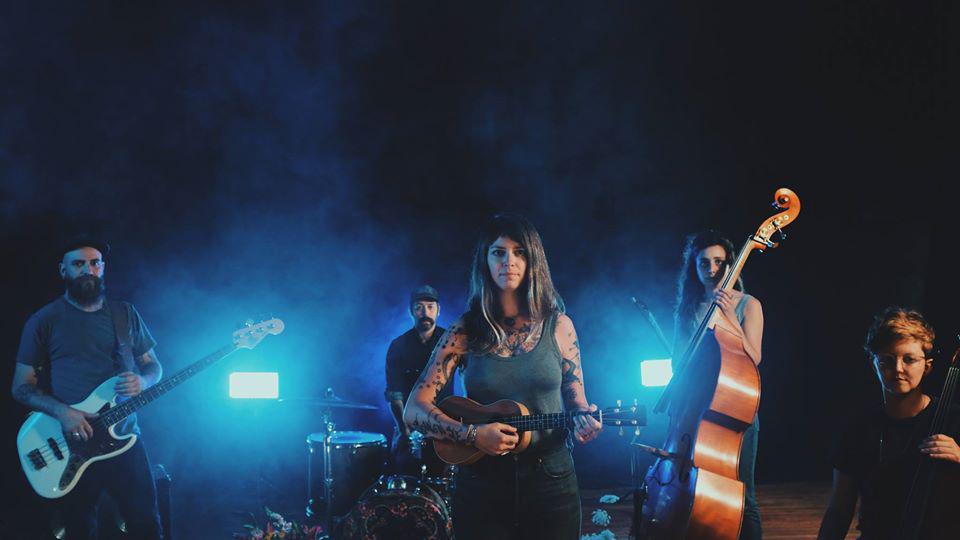
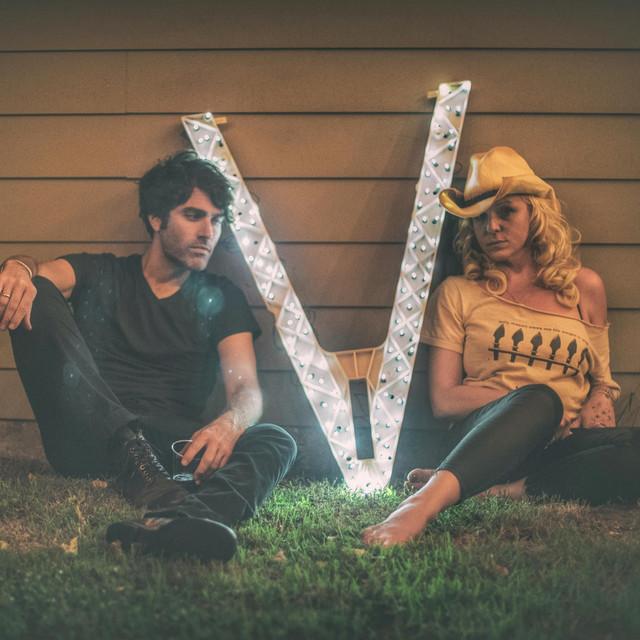
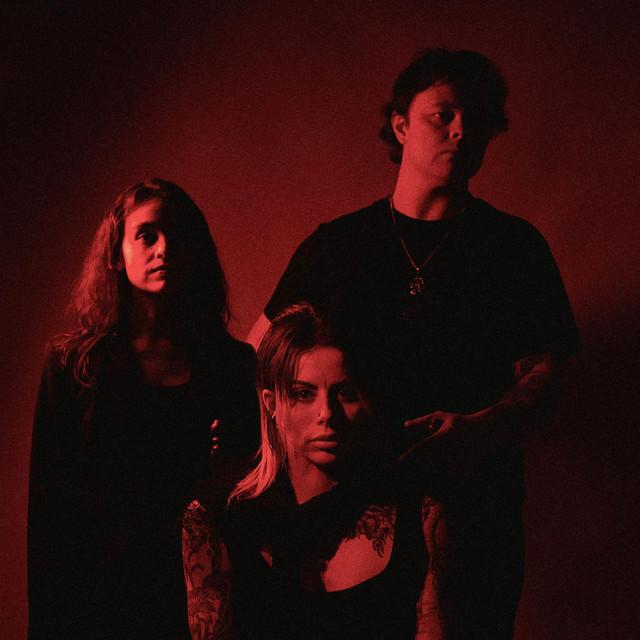
Vudu Sister’s Spotify BioVudu Sister is a dark folk band from Providence, RI. Led by French-American songwriter Keith J.G. McCurdy, with Diane O’Connor (violin) and Isabel Castellvi (cello), their music combines grunge, gothic, and European folk traditions, evolving into what has been described as a blend of chambergloom and 90s MTV Unplugged. Formed by McCurdy in 2011 during an Americana revival, Vudu Sister’s debut album was largely informed by early Mark Lanegan albums and an exploratory flirtation with American folk songs. Their subsequent album, Mortis Nervosa, solidified their sound as a gothic folk band, drawing influences from artists such as Rasputina, Dead Man’s Bones, as well as European classical and folk traditions. From gothic ballads in dead languages to tales inspired by folklore and fantasy, Vudu Sister has released several albums, toured across the US and Europe, and shared stages with Marissa Nadler, Rasputina, Body Void, and The Keening; comfortably pairing with both gossamer dark folk acts… and intense doom metal bands. Vudu Sister has performed at festivals from the Newport Folk Festival to Somergloom. Their fifth album, Adynata, is out now.
vudusister.bandcamp.com
soundcloud.com/vudusister
Viberate is a music analytics platform built for A&Rs, artist managers, labels, booking agents, marketers, and artists.
It helps music professionals track artist growth, analyze audience data, monitor playlist activity, compare artists, follow song performance, and identify opportunities across the music market.
Public artist pages provide a free preview of selected artist data. Paid plans provide access to deeper analytics, historical data, charts, comparisons, playlist tools, exports, alerts, reports, and additional professional features.
Yes. Public Viberate artist pages provide selected artist analytics and music data for free.
Viberate also offers a 7-day free trial of the full platform. A credit card is required to start the trial. The trial includes access to the complete product so users can test deeper artist analytics, historical views, playlist insights, comparisons, charts, exports, alerts, and reporting features before choosing a paid plan.
Viberate provides artist analytics across streaming, playlists, social media, video, radio airplay, songs, and audience markets.
Users can analyze Spotify performance, Spotify and Apple Music playlists, YouTube activity, TikTok and Instagram growth, radio spins, song performance, audience locations, demographics, rankings, and overall artist momentum.
Artist profiles also connect to music charts, similar artists, and comparison tools, helping users benchmark performance and evaluate artists in context.
Viberate updates key artist and track data daily.
For followed artists and tracks, selected data is refreshed multiple times per day. This helps teams monitor playlist changes, streaming movement, audience growth, releases, and campaign performance with more current data.
Update frequency can vary depending on the metric and data source.
Yes. Viberate lets users compare up to five artists side by side across streaming, social media, audience, and engagement metrics.
Users can compare fanbase growth, audience demographics, locations, Spotify performance, social metrics, and other artist data over selected time periods.
Artist comparison can be used for A&R scouting, benchmarking, booking decisions, campaign planning, and evaluating artists with similar audiences or market positions.